
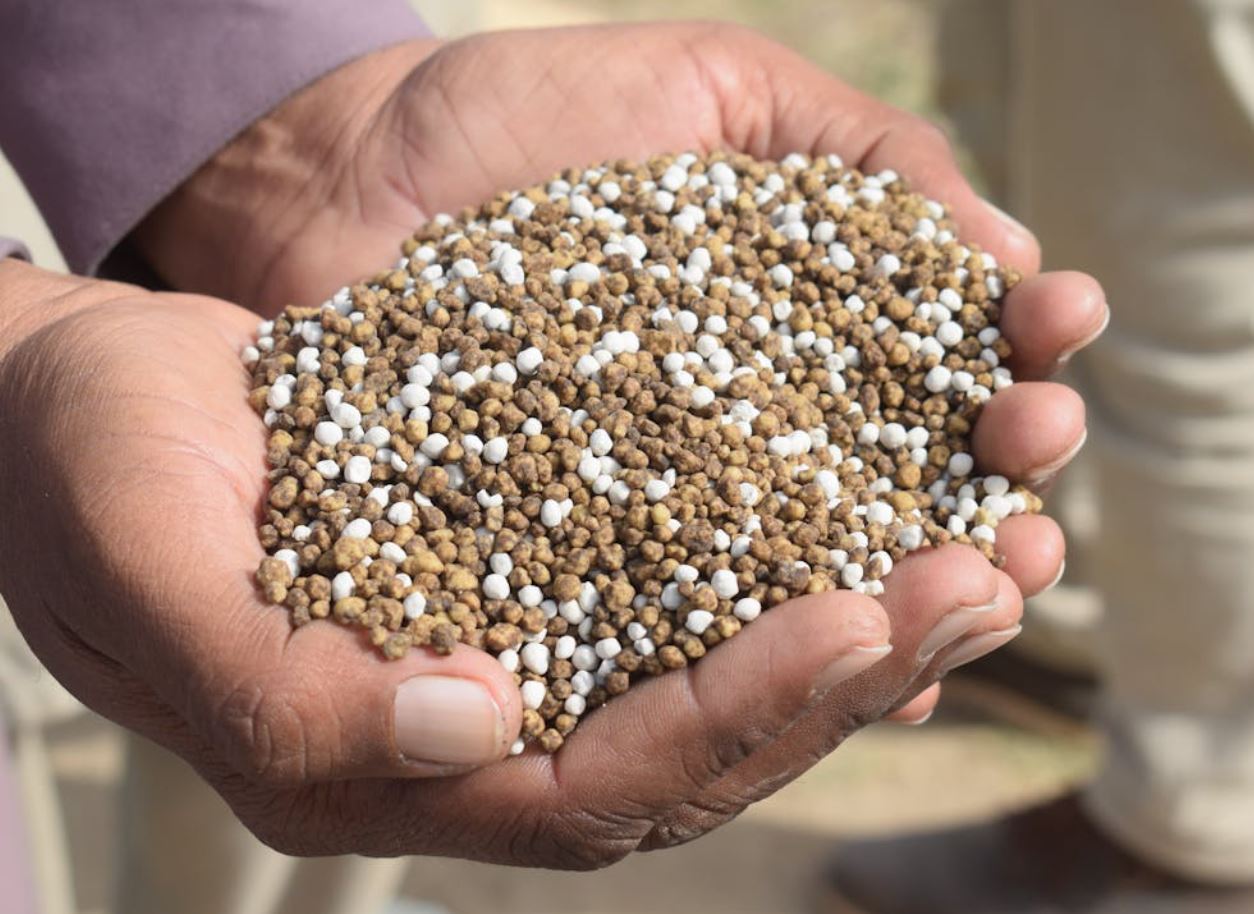
Disruptions to shipping through the Strait of Hormuz have sent fertilizer prices sharply higher, putting immediate pressure on smallholder farmers across Africa and parts of South Asia as planting seasons begin. For many of these producers — who account for a large share of domestic food production — access to affordable artificial fertilizer can mean the difference between a viable crop and empty granaries.
Why this matters now
Fertilizer markets are tightly linked to global energy and shipping flows. Natural gas is the main feedstock for nitrogen fertilizer, and phosphate and potash supply chains rely heavily on long-distance maritime trade. Industry observers have pointed to a significant share of seaborne fertilizer transiting the Strait of Hormuz; when that passage is disrupted, both supply and confidence wobble. The result: spot prices spike, production at some plants slows or halts due to feedstock shortages, and regional shortages appear unevenly across continents.
The humanitarian stakes are acute. Agricultural inputs have become about 40% more expensive in many markets compared with last year, while farmgate and consumer food prices have not risen in step. Smallholders therefore face a painful economic calculus: buy expensive fertilizer and hope the harvest fetches a return, or plant less (or not at all) and accept lower yields. When scaled across millions of small farms, those individual decisions can translate into increased food insecurity and elevated famine risk in vulnerable countries.
What the institutions are saying
International organisations including the World Food Programme, the World Bank and the IMF have warned that sustained fertilizer price shocks will lead to higher food prices and worsening food insecurity for low-income countries. Development actors are preparing to scale emergency aid, but relief alone cannot substitute for stabilising input markets or accelerating longer-term resilience measures.
Regional impacts and supply-side dynamics
– Africa: Many countries are most exposed. Limited domestic fertilizer production, smallholder-dominated agriculture, and low levels of public buffer stocks make the continent vulnerable to price and availability shocks. Farmers with small cash reserves may delay or reduce planting, eroding national food production.
– South Asia: Some producers face natural gas shortages or feedstock restrictions that reduce domestic fertilizer output. Because South Asia imports large volumes of potash and phosphate, shipping constraints translate directly to input scarcity.
– Global production: Fertilizer plants are capital-intensive and respond slowly to price signals. Even if shipping disruptions were resolved overnight, it could take several weeks for inventories and trade flows to normalise and longer for idled plants to restart fully.
Short-term outlook
Expect pockets of shortage and price volatility over the coming months. If the shipping disruption persists, the most severe effects will surface during planting seasons, when farmers cannot postpone input decisions without jeopardising yields. Emergency interventions will be needed, but they are costly and often inefficient when not targeted well.
Medium-term implications for businesses and policymakers
1. Food inflation and macro risks: Higher fertilizer costs will contribute to food inflation, eroding purchasing power in low-income economies and potentially creating fiscal pressure as governments subsidise inputs or social protection.
2. Supply-chain redesign: Companies that rely on agricultural commodities should reassess procurement strategies, diversifying supplier geographies, increasing contractual security, and building buffer inventories or local storage facilities.
3. Strategic investments in domestic/regional production: The shock accelerates existing conversations about increasing regional fertilizer capacity, including smaller-scale blending plants that can use imported raw materials more flexibly.
4. Green ammonia and the energy transition: The tight link between natural gas and nitrogen fertilizer points to an opportunity — and a commercial case — for low-carbon ammonia produced using renewables and electrolytic hydrogen. Nordic countries, with advanced renewable energy and electrolysis expertise, are well positioned to supply technology, project finance and offtake partnerships.
5. Agtech and efficiency: Precision application, improved seed varieties, soil health programs and blended micronutrient fertilizers can reduce overall nutrient demand per hectare and increase crop resilience — attractive value propositions for agribusiness investors and governments.
Recommendations for Nordic stakeholders
For policymakers:
– Coordinate humanitarian and development financing to prioritise targeted input subsidies or cash transfers for the most vulnerable smallholders, paired with extension services to ensure efficient fertilizer use.
– Accelerate support for green ammonia pilots and create diplomatic channels to foster off-take agreements with countries seeking secure, low-carbon fertilizer supply.
– Consider strategic aid and investment packages that combine emergency relief with capacity-building for local fertilizer blending and storage infrastructure.
For investors and agribusinesses:
– Evaluate opportunities in regional blending and storage terminals in Africa and South Asia. Flexible, modular facilities can be brought online faster than full-scale production plants and reduce logistic bottlenecks.
– De-risk supply chains by diversifying feedstock sources, contracting longer-term offtake for fertilizer, and investing in precision-agriculture solutions that boost nutrient use efficiency.
– Monitor and, where appropriate, finance green ammonia and electrolytic fertilizer projects. Early-stage project financing, technology partnerships, or purchase agreements can create first-mover advantages as markets decarbonise.
For Nordic companies active in development markets:
– Partner with local actors (governments, cooperatives, NGOs) to pilot fertilizer-use efficiency programs that combine targeted vouchers with farmer training — these yield faster results and strengthen market trust.
– Explore power-to-ammonia projects that leverage Nordic renewable energy expertise. Export-oriented projects could supply coastal markets, while on-site production near demand centres can insulate importing countries from maritime disruptions.
A realistic path forward
This crisis underscores the structural fragility of global fertilizer supply and the urgency of both short-term mitigation and long-term resilience building. Emergency aid and temporary subsidies will be necessary to avert immediate humanitarian harm. But the strategic response must include investments in diversified supply chains, regional blending capacity, better agronomy, and decarbonised production technologies. For Nordic investors and policymakers, the combination of capital, engineering know-how and renewable-energy leadership presents a concrete opportunity to both address food security risks and build commercially viable, climate-aligned businesses.
About the sources
This article draws on firsthand interviews with industry practitioners and development investors, public statements from multilateral agencies, and market indicators pointing to substantial year-on-year price rises for fertilizer inputs. Impact Fund Denmark — which co-invests public and pension capital in growth markets — highlights the acute vulnerability of smallholder farmers and the limited buffer capacity in many developing countries.
Next steps and how to connect
Our next piece will explore the business case for green ammonia in more detail: project economics, emerging Nordic technology leaders, and case studies of where onshore production and coastal export terminals could stabilise fertilizer supply for nearby markets. If you represent a company, fund, or government agency interested in partnering on Nordic-led solutions to fertilizer insecurity, or if you have field experience or data to share, please contact the Nordic Business Journal editorial team at editorial@nordicbusinessjournal.com or connect with us on LinkedIn.