
The Swedish Fortifications Agency (Fortifikationsverket) is executing what it calls a “historically high” level of procurement, with annual purchases of land, property, and infrastructure now exceeding SEK 10 billion. The agency, responsible for acquiring and managing real estate for the Swedish Armed Forces, expects this tempo to continue for several years as Sweden adapts to a fundamentally altered security landscape.
The scale is not just military — it’s economic. Analysis by EY indicates the wider defence expansion could inject roughly SEK 320 billion into the Swedish economy annually by 2035, supporting an estimated 48,000 new jobs directly and through spillover effects in construction, logistics, technology, and local services.
From Sollefteå to the National Map: What’s Being Built
The most visible projects are four new regimental areas in Östersund, Falun, Kristinehamn, and Sollefteå — the first major regimental expansions since the downsizing of the 2000s. But the programme goes far beyond barracks. According to Magnus Önnestig, staff director at the Swedish Fortifications Agency, the portfolio spans “land to make training and shooting ranges larger, warehouses and offices — we buy almost everything.”
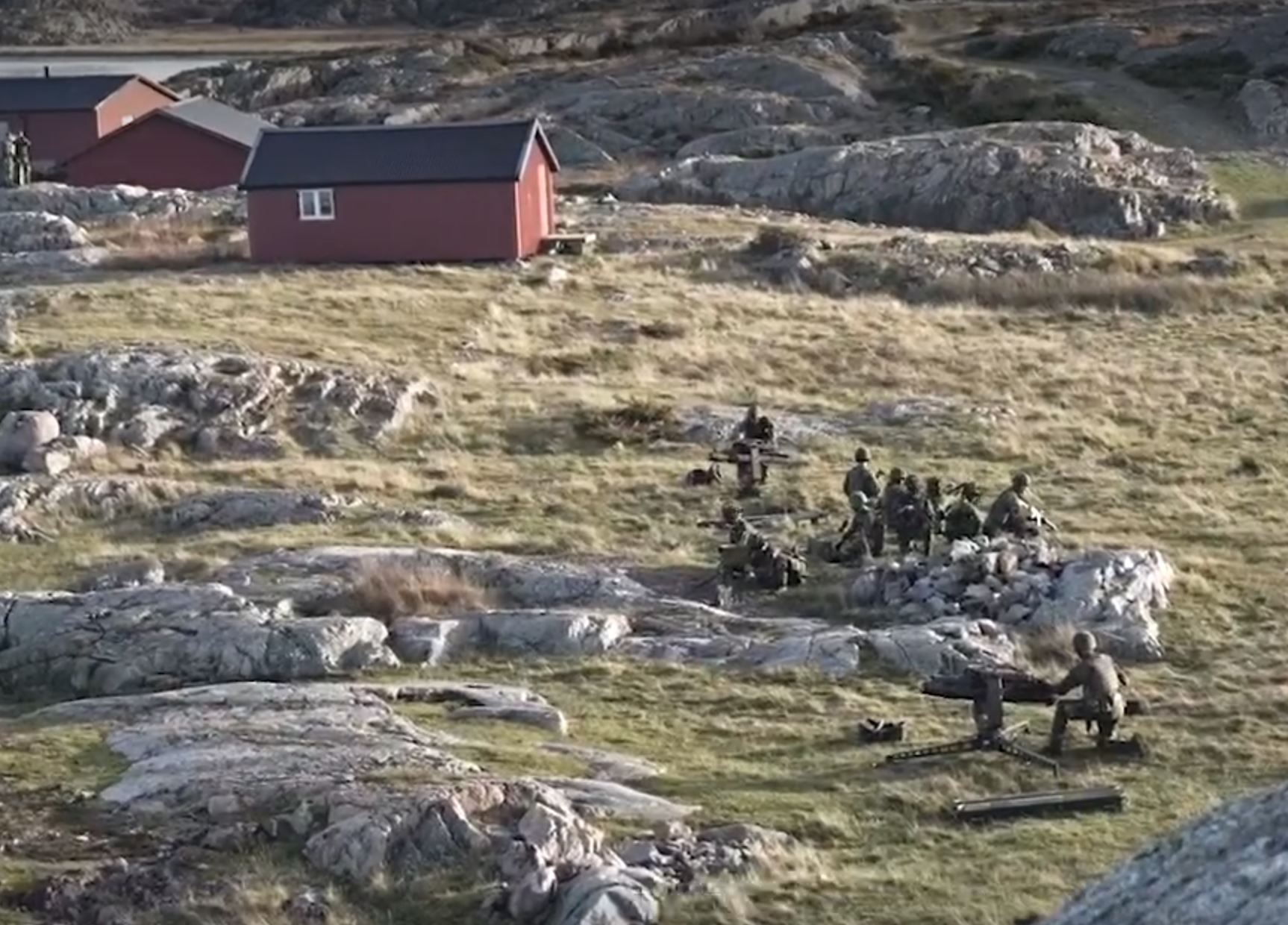
In Sollefteå, where I 21 Västernorrlands regemente was re-established in 2022, the agency recently acquired 1,200 hectares to expand the adjacent training area. “It provides further opportunities to develop our units,” says Regiment Commander Joakim Karlquist. “Considering the global development, the purchase is reasonable.”
The agency is also upgrading existing defence infrastructure nationwide: ports, airfields, hardened facilities for C4ISR systems, logistics hubs, and administrative offices. Many sites are dual-use, meaning civilian contractors and local firms will be involved in both construction and long-term maintenance.
2026 Update: NATO, Timelines, and Funding Reality
Since the original reporting, two developments have materially changed the context for business readers:
1. NATO membership finalised March 2024: Sweden’s integration into NATO force structure has accelerated demands for host-nation support infrastructure, pre-positioned storage, and training areas compatible with allied units. This is driving additional procurement beyond the baseline rearmament plan and creating export/partnering opportunities for Nordic defence suppliers.
2. Budget trajectory confirmed: The Government’s 2025-2026 budget bills have locked in defence spending at 2.6% of GDP, with the Fortifications Agency’s capital allocation remaining above SEK 10 billion annually through at least 2028. Parliamentary briefings in Q1 2026 reaffirmed that land acquisition is on schedule, but flagged construction bottlenecks due to labour shortages and permitting times in northern counties.
Analysis: What This Means for Nordic Business Leaders
| Sector | Opportunity | Risk/Watchpoint |
| Construction & Civil Engineering | Multi-year pipeline of barracks, hardened shelters, roads, and utilities. Framework agreements favour firms with security clearance and winter-weather capability. | Skilled labour competition. 48,000 jobs projection assumes training capacity keeps pace. Wage inflation in Västernorrland/Jämtland already visible. |
| Real Estate & Landowners | Strong seller’s market near designated growth areas. Agency pays market price but process is lengthy. Leasing models for warehouses/offices emerging. | Agricultural/forestry land taken out of production. Municipalities must balance defence needs vs. housing plans. |
| Tech & Services | Demand for secure IT, energy resilience, surveillance, and facilities management. NATO standards create pull for interoperability solutions. | Compliance burden: cybersecurity, personnel vetting, and export control rules now apply to more subcontractors. |
| Regional Development | Sollefteå, Östersund, Falun, Kristinehamn see direct population and tax base upside. “Spin-off” jobs in retail, health, schools. | Risk of boom-bust if troop rotations change. Municipalities need to plan infrastructure beyond 2035 horizon. |
Three implications executives should price in today:
1. Procurement is decentralised but accelerating – The Fortifications Agency uses both direct awards and Avropa via Kammarkollegiet. SMEs that pre-qualify for security and environmental certifications can access subcontracts under NCC, Skanska, Peab and other primes.
2. The 48,000 jobs figure is not uniform – EY’s model includes indirect jobs in hospitality, transport, and maintenance. 60% are projected outside major metros, with clustering around the four new regiments and existing hubs in Boden, Skövde, and Enköping.
3. Land use is a strategic constraint – Expanding ranges by 1,200 hectares, as in Sollefteå, triggers environmental review under the Environmental Code and consultation with Sami villages in northern areas. Timeline risk is 12-24 months per major acquisition.
The Bottom Line for Boards and Investors
This is not a temporary spike — it is a structural re-industrialisation of defence real estate. For Nordic firms, the SEK 10bn/year run-rate represents a predictable order book comparable to a mid-sized infrastructure programme. The winners will be those who combine traditional construction competence with new compliance muscle and community engagement in host municipalities.
Next in Nordic Business Journal: Our May issue will examine how private capital is financing dual-use infrastructure — from data centres on regimental land to green energy for hardened facilities — and map the top 20 subcontractors by contract value in 2025-2026.
Connect with us: Do you have insight into defence procurement, regional labour markets, or land-use planning? Share data or case studies with our editorial team at tips@nordicbusinessjournal.com or join the discussion on LinkedIn at Nordic Business Journal | Defence & Industry.