
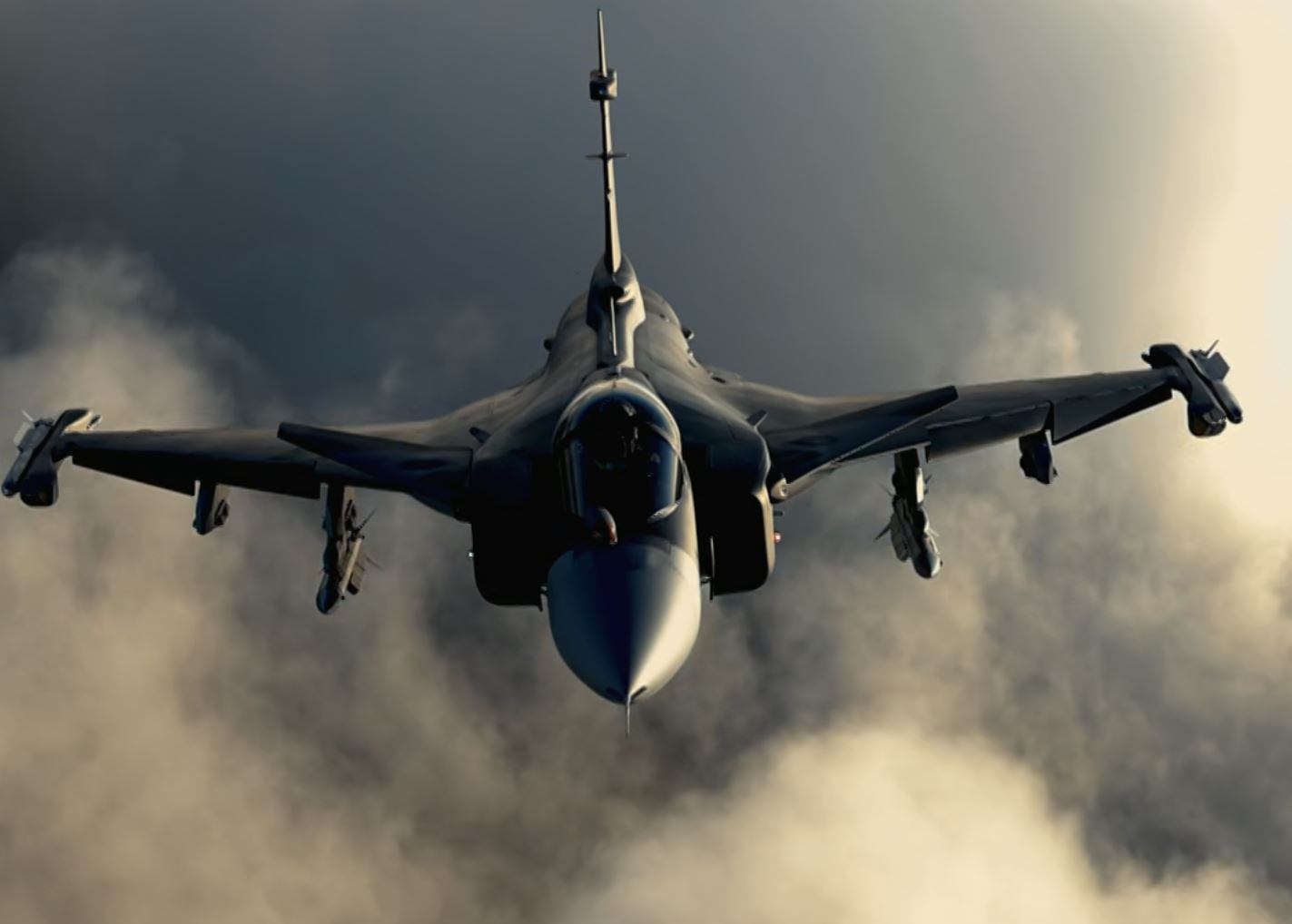
Helsing Systems, a German company developing AI-enabled systems for military platforms, has taken a visible step into the Nordic market: the firm has established an office in Stockholm and recently demonstrated its software in flight aboard Saab’s Gripen aircraft. The company’s investor list — which public disclosures show includes Spotify founder Daniel Ek and the Swedish defence group Saab — makes the move especially interesting for Swedish industry, government and investors.
Why this matters now
– Strategic timing: Sweden’s security posture and defence spending have shifted markedly since 2022. NATO membership, higher procurement budgets and accelerated modernisation programmes have created both political will and fiscal room for new capabilities — especially in sensors, command-and-control (C2) and force-multiplying software such as AI-based decision aids.
– Commercial potential: Sweden is home to leading defence primes (Saab among them) and a deep civil tech talent pool in Stockholm. A local Helsing office signals intent to pursue partnerships and contract opportunities on Swedish programmes and in regional export markets where Swedish systems are used.
– Investor signal: High-profile private backers attract attention and can accelerate access to capital and talent, but they also put the company in the spotlight for public and political scrutiny — especially for defence tech that raises ethical and export-control questions.
What the Gripen flight demonstrates — and what it doesn’t
A flight test integrating Helsing software with a Gripen is an important proof-of-concept: it shows the company can operate in the avionics and avionics-integration domain and that Saab is at least open to testing third‑party AI capabilities on its platform. That said, a demonstration does not equate to certified operational capability. Moving from testbed to deployed, Type-Certified systems on military aircraft requires long development cycles, rigorous safety and security assurance, and approvals from national authorities and procurement customers.
Market and product opportunities
For Helsing and other AI-defence companies, the Nordic opportunity cluster includes:
– Mission management and sensor fusion software for fighters, helicopters and ISR platforms.
– Autonomous/uncrewed systems and companion drones that extend manned capabilities.
– Decision-support tools that speed targeting, triage and logistics planning.
– Predictive maintenance and logistics optimisation using AI on system health data.
– Training and synthetic environments / distributed simulation for complex force exercises.
Sweden’s defence procurement cycles for fighter upgrades, ground-based air defence, and unmanned systems create multiple potential entry points. The tight ecosystem around Saab, local integrators and the civil tech talent base in Stockholm could shorten the market entry timeline — if integration, certification and export constraints are navigated effectively.
Regulatory, ethical and export-control landscape
Companies mixing advanced AI with weapons or command systems must manage multiple constraints:
– Export controls: Sensitive components and software may be subject to national and international controls (including EU rules, the Wassenaar Arrangement-related practices, and national military export laws). Having a local office does not waive those constraints.
– Certification and safety assurance: Airborne mission systems face strict testing, verification and compatibility requirements; meeting these is time-consuming and expensive.
– Ethical and public scrutiny: Swedish civil society and some political groups are attentive to how AI is used in military settings. High-profile founders and consumer-tech backgrounds can intensify public debate.
– Standardisation and interoperability: NATO and allied standards for data formats, communications and mission systems (STANAGs and others) will shape integration and export prospects.
Competitive landscape and partnerships
European and global defence primes (Saab, Thales, Leonardo, BAE Systems) are rapidly building or buying AI capabilities. Startups like Helsing can succeed by:
– Partnering with incumbents (integration + go-to-market).
– Focusing on specific, high-value niches (sensor fusion, human-machine teaming, mission automation).
– Co-developing with defence customers to meet certification and security requirements.
Risks for Swedish partners and policymakers
– Dependence and control: Partnering with non-Swedish tech firms raises IP, data sovereignty and supply-chain questions. Contracts must protect Sweden’s operational independence and the security of classified data.
– Reputation and political risk: Visibility of foreign-led defence ventures may trigger political debate on arms exports, ethical use of autonomous systems and the influence of tech capital in defence.
– Integration and sustainment costs: Novel AI systems can have high lifecycle costs if they require continual retraining, closed vendor ecosystems, or specialised maintenance.
Recommendations for industry and government
For Swedish companies and procurement authorities:
1. Conduct thorough due diligence on IP ownership, data governance and export-control compliance before pilots or co-development agreements.
2. Insist on open standards and modular interfaces to ensure future interoperability and the ability to maintain systems domestically.
3. Structure pilot programmes with clear certification roadmaps, including data-sharing agreements that allow Swedish oversight and independent verification.
4. Use public‑private partnership models to accelerate fielding while retaining state influence over critical capabilities.
5. Establish transparent ethical guidelines for AI use in weapons and C2 systems to build public trust and align with NATO frameworks.
For investors and founders:
– Expect longer sales cycles and higher compliance costs in defence than in civil AI markets. Local presence (Stockholm office) helps, but success depends on certification, long-term sustainment plans and strong partnerships with primes.
Conclusion – AI continued to evolve
Helsing’s Stockholm presence and Gripen flight are a concrete sign that the Nordic defence AI market is heating up. For Swedish industry and policymakers, the opportunity is to secure access to advanced software while protecting sovereignty, ensuring ethical use, and avoiding supplier lock-in. The next year will show whether such entrants move beyond demonstrations to integrated, certified capabilities in operational systems.
Follow-up and connect
In our next piece we will analyse the certification and procurement pathways for AI-enabled avionics in European air forces — what it takes to move from flight demo to operational fleet upgrade, and the financing models that make it sustainable. If you’re a defence supplier, policymaker or investor with a perspective to share or a story to pitch, contact the Nordic Business Journal newsroom at editorial@nordicbusinessjournal.com or follow us on LinkedIn for updates and invitations to a webinar we will host on defence AI and procurement later this quarter.