
Sweden’s higher education system is facing a growing crisis. According to the Confederation of Swedish Enterprise (Svenskt Näringsliv), universities are not preparing students effectively for the modern workforce. Despite Sweden’s ambitious educational goals, the country is lagging behind in terms of quality, relevance, and efficiency, particularly when compared to its European counterparts. This is exacerbated by an alarming trend: Swedish students take longer to graduate, and many fail to complete their studies altogether.
Mia Bernhardsen, Head of Skills Supply at the Confederation of Swedish Enterprise, argues that the system is failing to meet the needs of both students and the business community. “We enter the education system late and we take our time,” Bernhardsen says. The problem is not just about graduation rates but also about the mismatch between academic qualifications and market demands. According to the Eurostudent 2024 statistics, Sweden has the lowest number of teacher-led teaching hours per week among the countries surveyed, which contributes to slower progress and higher dropout rates. While countries like Denmark and the Netherlands are increasing their teaching hours, Sweden remains stagnant, with students receiving less structured learning time than their peers abroad.
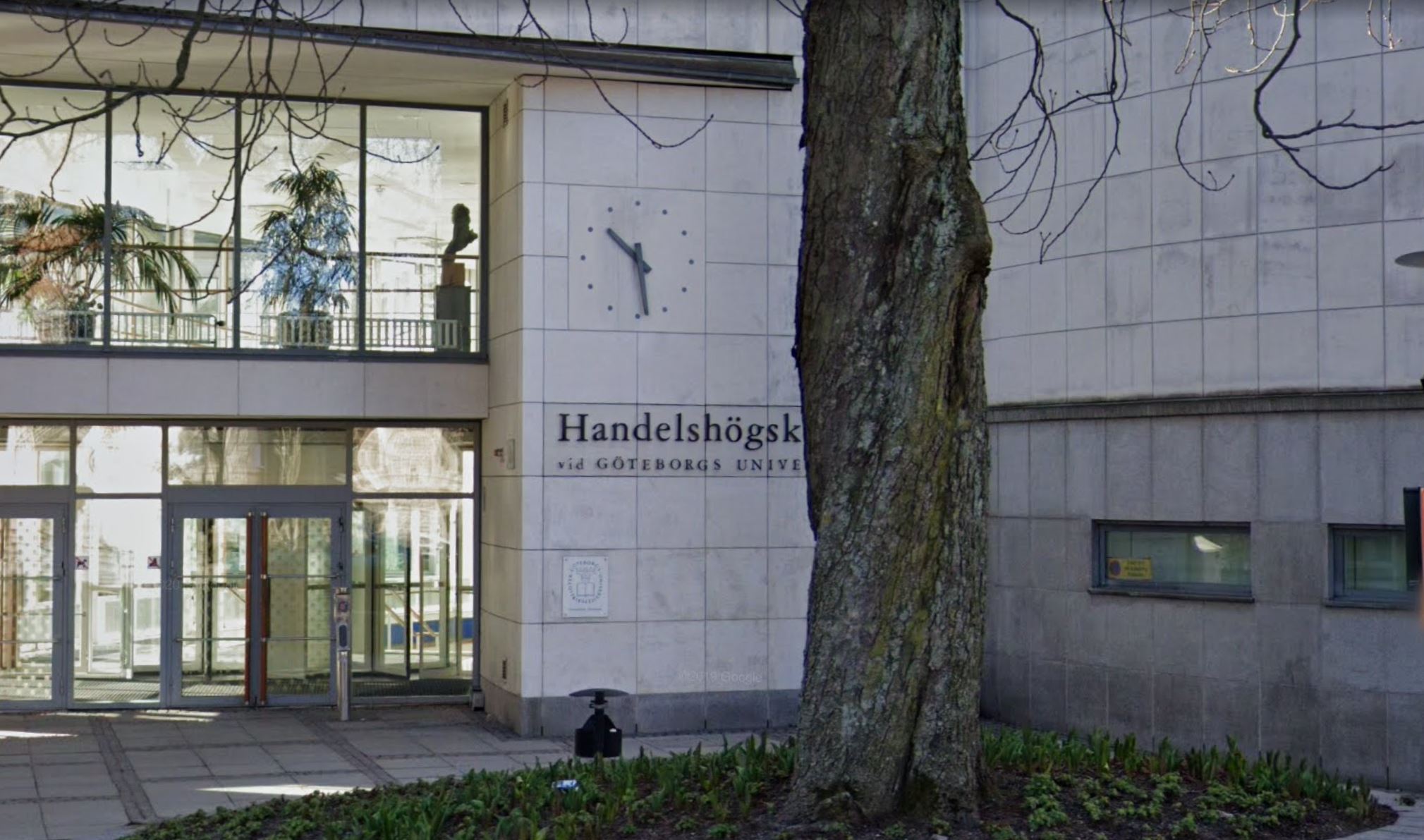
Comparing Sweden to Other European Nations
The average age of graduation for Swedish students is 28.4 years for a bachelor’s degree and 29.5 years for a master’s degree, significantly higher than in Belgium, where students graduate at an average age of 23.5 years for a bachelor’s and 25.6 years for a master’s. This extended time to graduation is problematic, especially in a rapidly evolving labor market that demands quick adaptation and a workforce with relevant skills.
The Confederation of Swedish Enterprise paints a bleak picture of the Swedish education system, pointing to the alarming fact that over half of Swedish students never graduate. Even among those who do complete their studies, many take longer than necessary, often due to a lack of support in the educational process. Bernhardsen suggests that the excessive length of time students spend in university may stem from a lack of guidance and misaligned expectations. “Many feel the need to keep their options open, but that often leads to indecision and delays,” she states.
The Inefficiency of the Master’s Degree
One of the key concerns highlighted by the Confederation of Swedish Enterprise is the assumption that obtaining a master’s degree is always the best route to career success. Bernhardsen questions this widespread belief, arguing that a bachelor’s degree may often suffice for entering the workforce, especially when paired with practical experience. “There is no clear correlation between holding a master’s degree and securing a job more easily. In fact, it may be more beneficial to enter the workforce sooner and build upon your education while gaining hands-on experience,” she explains.
This view aligns with the findings of the Eurostudent study, which shows that many countries, such as the Netherlands and Denmark, provide more direct pathways from education to employment, helping students gain practical skills that are immediately relevant in the job market.
Bridging the Gap: Aligning Education with Workforce Demands
The Confederation of Swedish Enterprise highlights a critical problem: many Swedish students are choosing fields of study that do not align with current labor market needs. In the past, it didn’t matter as much what you studied, as job opportunities were relatively abundant. However, in today’s economy, technology is evolving rapidly, and new skills are in demand. It is no longer enough for graduates to possess general degrees; they need specific competencies that are directly applicable to their future careers.
Bernhardsen urges policymakers to take bold steps to reform the Swedish education system. Drawing inspiration from countries like Denmark and the Netherlands, she advocates for a system where the business community has greater input into both the number of places offered at universities and the content of the courses. “We must direct resources to education that leads to tangible job opportunities. Collaboration with the business community is essential for ensuring that students graduate with the skills that employers are actively seeking,” she emphasises.
Table represents the average number of teacher-led teaching hours per week in various countries for the years 2021 and 2024.
Data (Average Teacher-Led Teaching Hours Per Week):
| Country | 2021 | 2024 |
| Sweden | ~10.5 | ~12 |
| Austria | ~9.5 | ~11.5 |
| Norway | ~11 | ~12.5 |
| Netherlands | ~10 | ~11 |
| Ireland | ~9 | ~10 |
| Denmark | ~10 | ~12 |
This data is based on the Eurostudent 2024 source and reflects the trends in the number of teaching hours per week in these countries over the course of three years.
A Path Forward: Policy Recommendations
The Confederation of Swedish Enterprise recommends that the Swedish government take action to modernise its higher education system. There needs to be a stronger focus on science, technology, engineering, and mathematics (STEM) subjects, as these areas are increasingly in demand across industries. Additionally, Swedish universities should consider offering more flexible and practical pathways for students to enter the workforce, possibly through internships, apprenticeships, or industry-specific courses.
The Confederation also calls for a greater emphasis on employer partnerships in the curriculum design, ensuring that students acquire the right set of skills for the contemporary job market. By rewarding collaboration between higher education institutions and businesses, Sweden could reduce the gap between academic training and labour market needs.
Conclusion
Sweden’s higher education system is at a crossroads. While it continues to rank highly in global education metrics, it is failing to meet the practical needs of the labour market. With students taking longer to graduate and struggling to align their studies with workforce demands, Sweden must rethink its approach to higher education. By learning from its European neighbours and prioritising collaboration with industry, Sweden has the potential to create a more efficient, relevant, and competitive education system that better prepares students for the challenges of the modern world.
Follow-up Article: In the next edition of the Nordic Business Journal, we will explore how universities in the Nordic region are responding to these challenges and the role of technology in transforming higher education. We invite readers to connect with us and share their thoughts on how the education system in Sweden and beyond can be improved to meet the demands of the future workforce.