
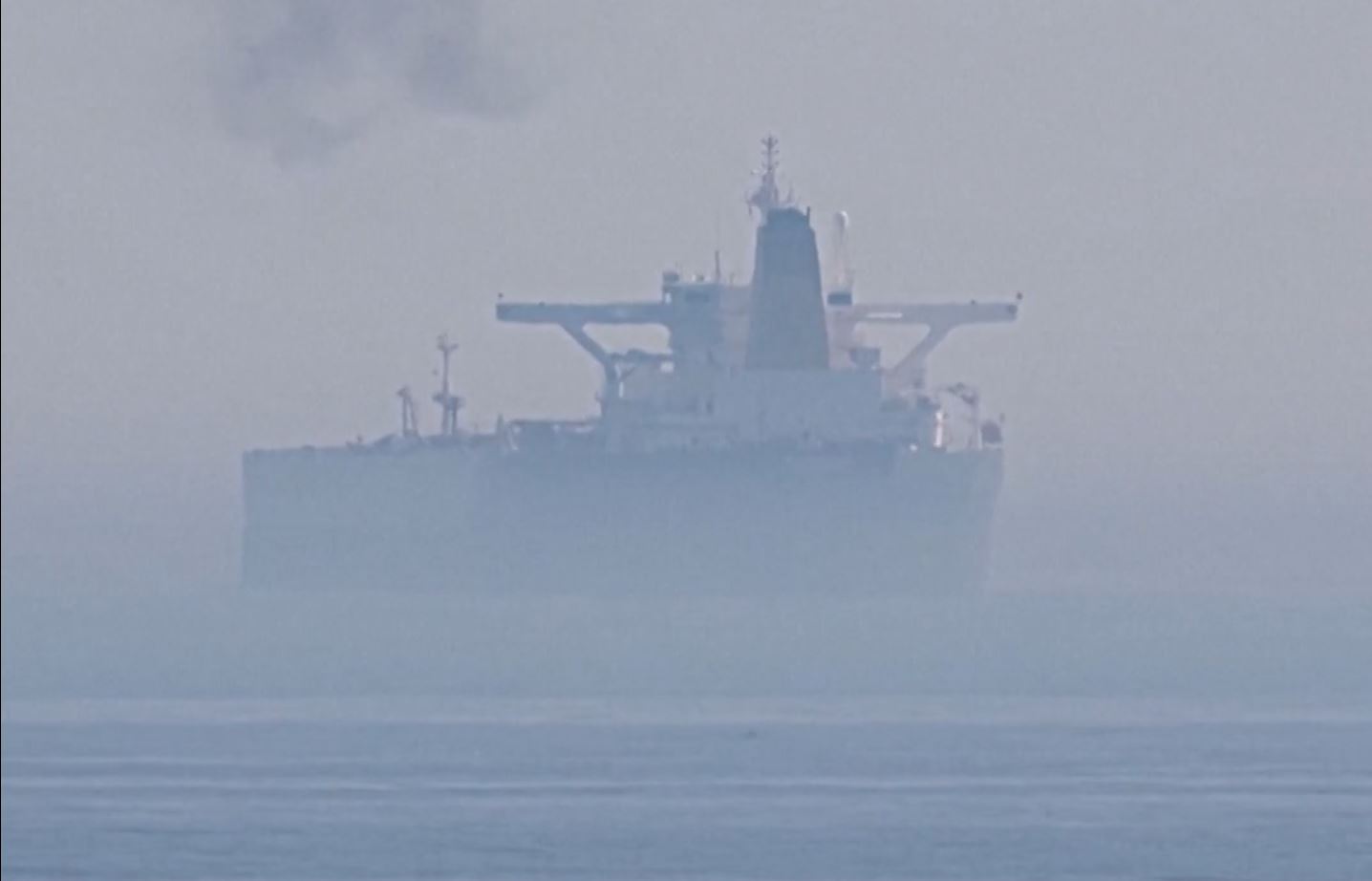
The arrest of a ship captain outside Trelleborg on Sunday marks a decisive escalation in Sweden’s campaign against Russia’s so-called “shadow fleet.” At 2 p.m. on May 4, 2026, the Swedish Coast Guard, supported by the Police Flight Unit and the National Task Force, boarded the 182-meter Syrian-flagged vessel Jin Hui in Swedish territorial waters southwest of Trelleborg. The captain was arrested on suspicion of violating the Maritime Code due to lack of seaworthiness, and the vessel is being investigated for sailing under a false flag.
The operation was confirmed by Coast Guard press officer Mattias Lindholm and Minister of Civil Defence Carl-Oskar Bohlin, who stated on X that the ship is “suspected of being part of the Russian shadow fleet.” According to Lindholm, criminal investigators remained aboard Jin Hui as of Monday morning. The vessel appears on sanctions lists maintained by the EU, UK, and Ukraine, and had been under surveillance by Swedish authorities “for some time.” MarineTraffic data shows the ship unloaded with no declared destination.
This is the fifth boarding by Swedish authorities in 2026 alone, signalling a clear shift from monitoring to direct intervention in the Baltic.
Why the Jin Hui Boarding Matters: Three Takeaways for Nordic Business
1. Sweden is rewriting the Baltic enforcement playbook
For two years, Nordic states relied on satellite tracking and AIS monitoring of shadow fleet tankers. That era is ending. Sweden’s use of the National Task Force, a counter-terrorism unit, to secure Jin Hui shows these boardings are now treated as high-risk security operations, not routine inspections. For shipping insurers, port operators, and energy traders, the risk calculus has changed: vessels flagged as high-risk can be detained mid-transit, disrupting supply chains with hours’ notice.
2. “Seaworthiness” is the new legal lever
Denmark remains constrained by the 1857 Copenhagen Convention guaranteeing free passage through the Danish Straits. Sweden and Finland face no such treaty limits in their territorial waters. Swedish authorities cited “lack of seaworthiness” under the Maritime Code as grounds for the Jin Hui arrest. This is a deliberate strategy. Most shadow fleet vessels are 15-20+ years old, lack P&I insurance, and have documented safety defects. Expect Swedish and Finnish authorities to use port-state control standards to legally detain vessels without violating freedom-of-navigation rules.
3. The financial exposure is spreading beyond oil
The Jin Hui case and March’s seizure of the Caffa over suspected stolen Ukrainian grain show the scope is widening. Any vessel moving Russian crude, refined products, LNG, metals, or grain without clear provenance now carries regulatory and reputational risk. Nordic banks, commodity traders, and logistics firms should audit counterparties for exposure to OFAC, EU, and UK-designated vessels. The cost of missing one: detention, seizure, and potential secondary sanctions.
Nordic Enforcement in 2026: How the Strategies Diverge
The Jin Hui boarding fits into a broader regional pivot. Since January 2026, 14 European states have agreed to treat tankers that disable AIS transponders or frequently reflag as “stateless,” opening them to inspection. Here’s how the three key Baltic states are acting:
| Country | 2026 Detentions | Legal Approach | Notable Cases | Business Implication |
| Sweden | 5+ vessels | Aggressive use of Maritime Code + security forces | Jin Hui (May): False flag, seaworthiness. Caffa (Mar): Stolen grain. Flora 1 (Apr): Oil spill, later released. | Highest detention risk. Expect more boardings near Trelleborg and Gotland. |
| Finland | 1+ seizures | Infrastructure security focus | Fitburg (Jan): Seized for suspected undersea cable sabotage. | Chokepoint control. Gulf of Finland is now a pressure point, with ~40 shadow vessels anchored as of March after Ukrainian port strikes. |
| Denmark | 4 detentions since late 2024 | Constrained by Copenhagen Convention; detains only on safety defects | Vigo: Held 3+ months for safety issues. 292 sanctioned-vessel transits in 2025. | Transit still allowed, but Skagen inspections are increasing. Insurance paperwork now requested. |
The Copenhagen bottleneck: Oil traffic through the Øresund now rivals the Suez Canal in volume. Yet Denmark cannot legally block transit. The result is a game of cat-and-mouse where Sweden and Finland detain vessels before or after they pass Danish waters.
Updated Outlook: What Happens Next
1. Insurance scrutiny will tighten. The EU’s 12th sanctions package and the new “stateless vessel” rule mean P&I clubs and flag registries face pressure to de-flag risky tankers. Ships without IG P&I coverage will struggle to operate in the Baltic by Q3 2026.
2. Secondary port risk is rising. Unloaded vessels like Jin Hui with “unknown destinations” often seek smaller Nordic or Baltic ports for offloading. Port authorities from Luleå to Klaipėda should expect increased Coast Guard coordination and surprise inspections.
3. Environmental liability is the next front. The Flora 1 detention near Gotland in April, though the ship was later released, shows Sweden will act on spills. Owners of older tankers face not just seizure but massive cleanup costs under the Baltic Marine Environment Protection Commission, HELCOM.
The Bottom Line for Readers
The shadow fleet is no longer just a geopolitical issue. It is a direct operational, legal, and ESG risk for any company moving goods, financing cargo, or insuring vessels in the Baltic. The Jin Hui boarding proves Swedish authorities will deploy elite police units and use safety law to stop these ships. With oil prices volatile and EU sanctions enforcement accelerating, due diligence on vessel age, flag history, ownership, and insurance is now a board-level issue.
Next in Nordic Business Journal
Our June issue will map the ownership networks behind the 300+ shadow fleet vessels still operating in the Baltic. We’ll examine which Nordic pension funds, insurers, and service providers remain exposed, and outline compliance frameworks to avoid detention risk.
Connect with us
Have you encountered shadow fleet activity in your supply chain? Is your firm adapting its Baltic risk assessment? Share your insights with our editorial team at editorial@nordicbusinessjournal.com or join the discussion on our LinkedIn page. For confidential tips on sanctions evasion, contact our investigative desk.