
New data reveals a hidden public health risk — and a business opportunity for digital trust
A March 2026 survey by Novus for the Swedish Medical Products Agency, Läkemedelsverket, uncovered a striking statistic: 6% of Swedes changed how they use medication in the past year after encountering information on social media. For men aged 65–84, that figure nearly doubles to 11%.
While 94% report responsible habits, the minority represents hundreds of thousands of patients — and a systemic challenge for Nordic healthcare, insurers, and digital platforms alike.
Why This Matters Now: The 2026 Context
Since 2024, TikTok, Instagram Reels, and health-focused Threads communities have become primary “first stop” sources for symptom checking across the Nordics. Läkemedelsverket’s own monitoring shows a 73% rise in reported social media drug misinformation cases since Q3 2025, driven by AI-generated supplement ads, anecdotal “biohacking” videos, and viral posts misinterpreting package insert warnings.
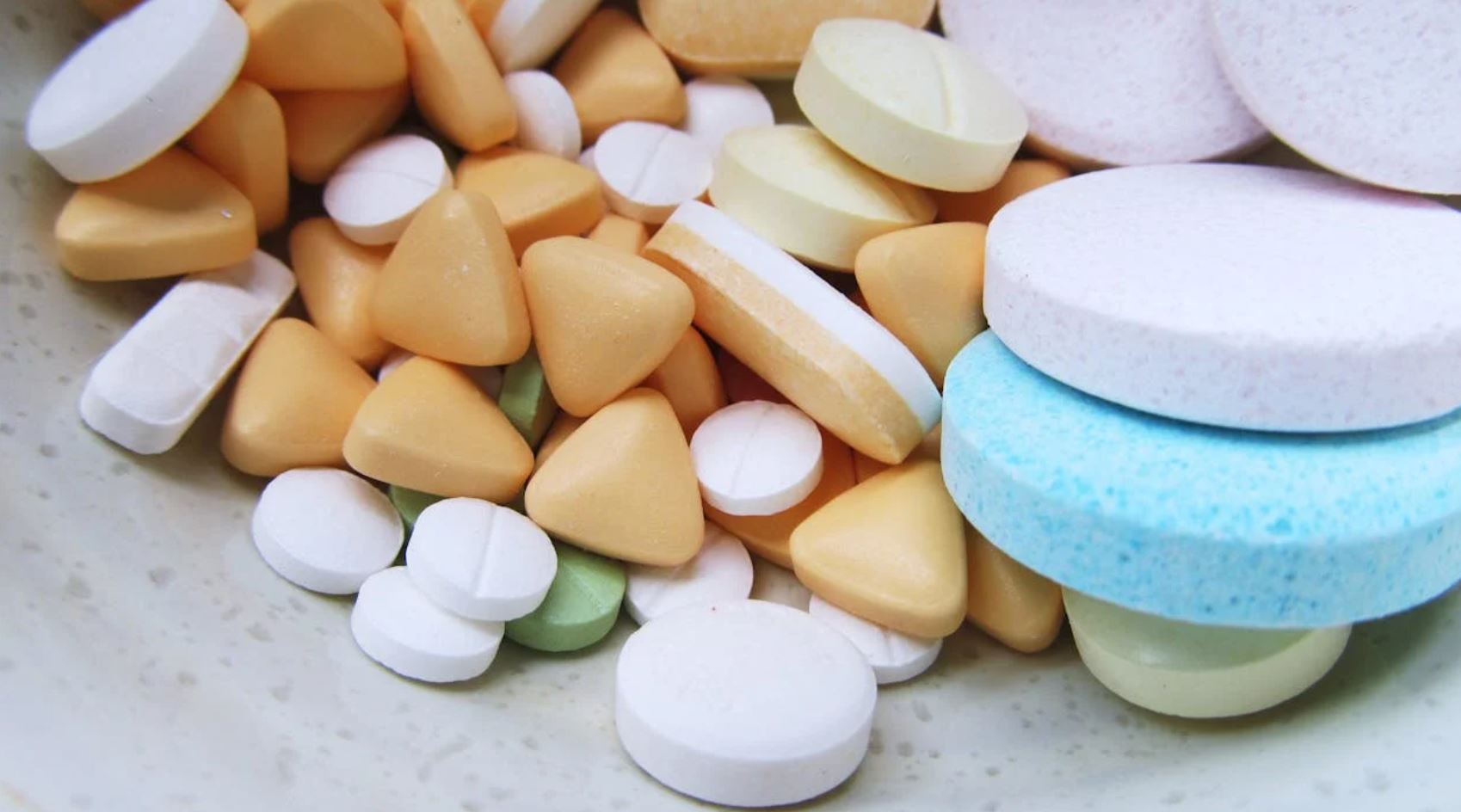
Yet medicine use remains near-universal. 88% of Swedes used prescription or non-prescription drugs in the past 12 months. The collision of high trust in the system with high exposure to unvetted advice creates both clinical risk and market gaps.
Key Findings From the Novus Survey
26–31 March 2026, nationally representative sample
| Behaviour | Share of Population | Notable Subgroup |
| Used any medicine in past year | 88% | Consistent across age groups |
| Read package insert digitally or on paper | 55% | Highest among women 45–64 |
| Changed medication use due to social media | 6% | 11% for men 65–84 |
| Did not change use based on social media | | 94% | Indicates strong baseline trust in formal sources |
Analysis: Three Business & Policy Implications for Nordic Readers
1. The Trust Gap Is Demographic, Not Digital
The highest-risk group isn’t “chronically online” Gen Z. It’s older men — a demographic with high medication use, comorbidities, and lower digital literacy for source-checking. For healthtech firms, this flags a product gap: digital adherence tools designed for 70+ users, not just 25-year-old fitness app users. For employers, it’s a workplace safety issue as the 65+ workforce expands.
2. Package Inserts Are Trusted But Underutilised
Only 55% consult the insert despite it being the legally vetted, patient-specific source. The friction is UX: inserts are dense, paper-based, and not integrated into e-health apps like 1177.se or pharmacy platforms. There’s clear commercial space for AI that translates FASS-text into plain language, video, or audio summaries — without altering medical meaning. Denmark’s pilot of QR-linked video inserts in Q1 2026 saw 41% higher comprehension scores.
3. Misinformation Has Real Cost Contours
If 6% of Sweden’s 10.5M population altered use, that’s ~630,000 people. Even a 0.5% adverse event rate from improper changes equals 3,150 avoidable incidents. For regions and insurers, that translates to measurable costs in emergency visits and lost productivity. The business case for proactive digital counter-messaging is no longer just CSR — it’s risk management.
What Leaders Should Do Today
Läkemedelsverket’s advice remains foundational, but we can operationalize it for decision-makers:
– For Healthcare Providers: Flag “social media consults” in patient intake. A simple “Have you seen advice about this medication online?” catches risk early.
– For Employers & HR: Include digital health literacy in senior workforce wellness programs. Focus on source verification, not just “don’t Google symptoms.”
– For Pharma & Medtech: Treat the FASS/package insert as a product. Invest in accessibility: multilingual audio, short-form video, and EHR integration. Norway’s NoMA now requires digital plain-language summaries by 2027.
– For Platforms: The EU Digital Services Act enables takedown of provably harmful health content. Nordic advertisers and influencers need clear guidelines to avoid liability.
The Official Guidance: Still the Safest Path
Erik Stridh, head of unit at Läkemedelsupplysningen, puts it plainly: “In an information landscape where medical advice is spread quickly, it is important to remind people of the importance of quality-assured sources.”
Läkemedelsverket urges the public to:
– Consult your care provider: Doctor, nurse, or pharmacist before changing dosage.
– Read the package insert: Covers correct use, side effects, storage, and interactions.
– Contact Läkemedelsupplysningen: For general, non-personalised questions about medicines.
– Treat social media as anecdote, not advice: It doesn’t know your health history.
Remember: if your doctor prescribed something different than the insert, follow the doctor. The insert is the default; the physician tailors it to you.
About the Survey
Conducted by Novus for Läkemedelsverket, 26–31 March 2026. Designed to map public behaviour around drug use and information gathering.
Next in Nordic Business Journal
Our June issue will investigate: “Pharma’s Digital Front Door — How Swedish Pharmacies Are Using AI to Rebuild Trust After the Ozempic Grey Market Surge.” We’ll analyse ROI data from Apoteket AB’s new insert-summarization tool and interview compliance leads at three Nordic telehealth scale-ups.
Connect With Us
Have your organization faced challenges with health misinformation, or are you building solutions in digital adherence? We want to hear from you. Share your case study or data with our editorial team at editorial@nordicbusinessjournal.com or join the conversation with NBJHealth on Threads and LinkedIn.