
Ukraine’s interest in Swedish Saab Gripen fighters has shifted from headline-grabbing ambition to a complex strategic and industrial negotiation with wide implications for the Nordic defence sector, European security finance and NATO interoperability. Ukrainian Defence Minister Mykhailo Fedorov has described access to Gripen aircraft as a potential “game changer.” But turning that potential into operational capability will require more than signatures: it will demand credible financing, rapid but realistic training and logistics timelines, industrial cooperation for sustainment, and careful political management to mitigate escalation risks. For investors, policymakers and corporate leaders, the Gripen talks illuminate emerging opportunities in defence exports, sovereign financing structures and Nordic strategic relevance — and the hard choices that accompany them.
What Gripen brings to the fight
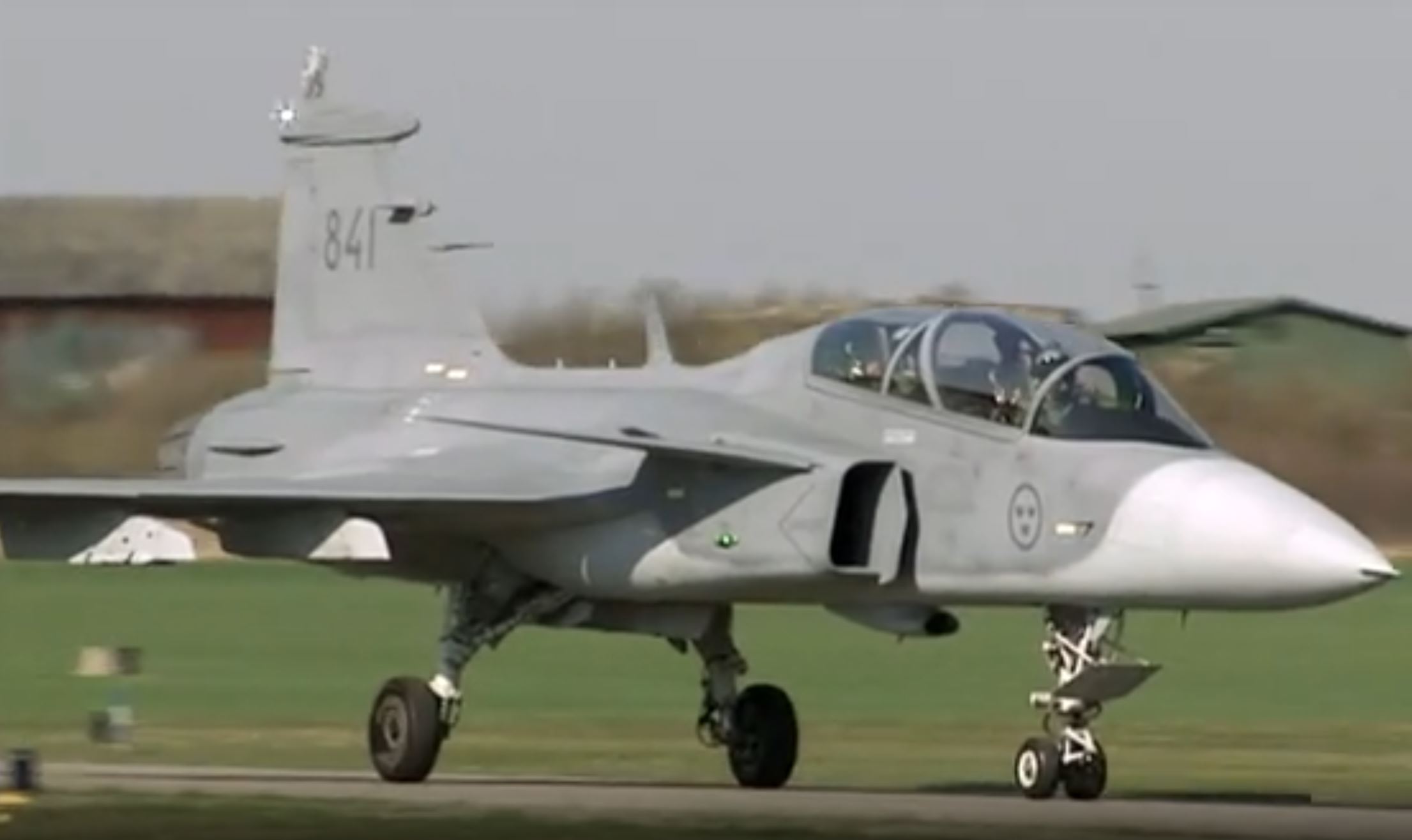
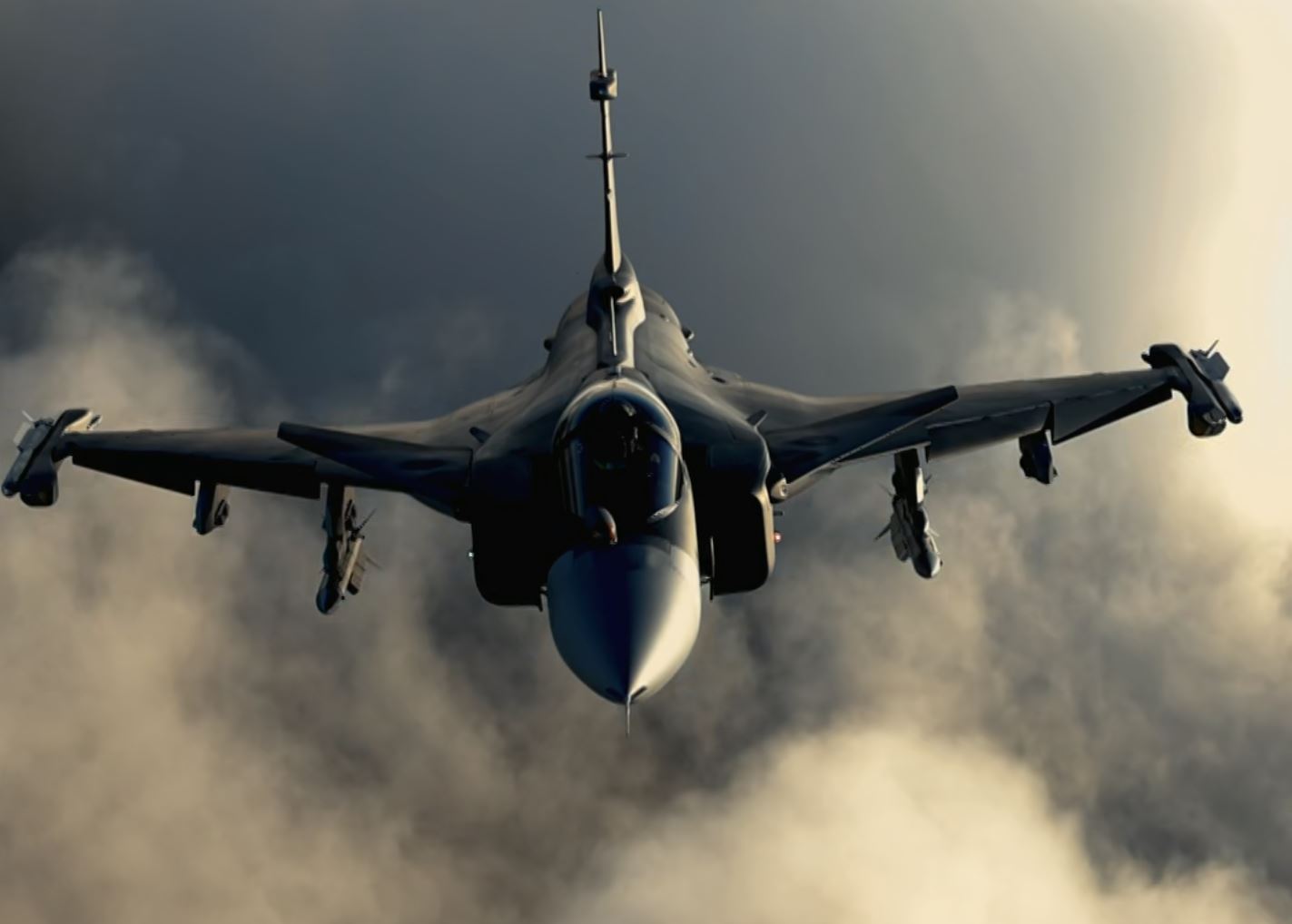
The Saab JAS 39 Gripen family — particularly the modern Gripen E — offers a combination of modern sensors, software-defined avionics and compatibility with long-range air-to-air missiles that can enhance Ukraine’s air defence posture. Ukraine’s delegation argues the aircraft could improve protection for frontline troops and increase the ability to counter precision glide weapons that have eroded defensive depth.
Operational strengths
– Modern avionics and AESA radar capabilities that improve situational awareness.
– Compatibility with beyond-visual-range missiles that extend engagement envelopes.
– Relatively lower acquisition and operating costs versus fifth‑generation platforms, and a smaller logistical footprint compared with larger Western fighters.
– Software-driven architecture that facilitates upgrades and the integration of new weapons or sensors over time.
What it does not do instantly
Deploying western fighters does not instantly rewrite the air war. Effectiveness depends on integrated air defence networks, tactical air control, hardened airbases, logistics and trained pilots and ground crews. Expect a timeline of months to years from contract signature to meaningful operational impact.
Negotiations, finance and political control
Ukraine has been negotiating with Sweden and Saab, and signed a letter of intent in October. Reported requirements have varied widely; Kyiv has discussed programmes that could scale up significantly depending on funding and production commitments. Defence Minister Fedorov emphasized that President Volodymyr Zelenskyy retains final authority over contracting and payment mechanisms.
Financing remains the pivotal constraint. Recent political moves in the EU — including the lifting of parliamentary roadblocks that previously constrained certain financing channels — have improved prospects for bundling loans or guarantees to support such purchases. Possible structures include:
– EU-backed financial instruments or pooled sovereign loans.
– Third-country security assistance or direct co-financing.
– Export-credit arrangements combined with phased payments or lease-to-buy models.
Saab’s CEO and Sweden’s defence minister have indicated optimism that a deal could be reached within months, but market watchers should treat such timelines as aspirational until financing, export licences and training schedules are mutually agreed and resourced.
Operational, industrial and logistical implications
Delivering fighters to Ukraine is as much an industrial project as a political one. Key business and defence considerations:
– Training and force generation: Western-type fighters require extensive pilot retraining and the development of air‑defence command-and-control practices.
– Sustainment and supply chains: Spare parts, munitions, engine support and avionics updates are long‑term commitments that can create durable industrial ties between Sweden and Ukraine — and business opportunities for suppliers across the Nordic and European supply chain.
– Infrastructure and basing: Hardened runways, secure maintenance facilities and integrated C2 are prerequisites for survivable operations.
– Interoperability: Equipping Ukraine with a NATO-compatible fighter strengthens interoperability but also requires harmonisation of doctrine, logistics standards and communications.
For Saab and Swedish defence suppliers, a contract could translate into years of follow-on work: training, maintenance, weapons integration and local industrial cooperation. For investors, this implies both near-term revenue visibility for defence manufacturers and longer-term exposure to political and contract execution risks.
Geopolitical and market context
Why this matters now:
– Battlefield impact: Ukraine is under sustained pressure from long-range precision strikes and loitering munitions. Air platforms that can contest Russian air superiority or suppress stand-off attacks matter tactically.
– Strategic signalling: A Gripen sale would be a visible expression of Nordic defence industrial influence and a test case for exporting modern Western combat aircraft to a front-line partner.
– European financing architecture: How the EU and member states structure payment and guarantee frameworks will set precedents for future heavy-equipment support to countries at risk.
– Industrial competition: The Gripen sits in a crowded market that includes F-16/F-35 derivatives, Rafale and other Western fighters; speed of delivery, cost, and sustainment partnerships will determine competitive advantage.
Risks, escalatory dynamics and governance
– Escalation: The transfer of modern strike and air superiority platforms carries the risk of political escalation with Russia. Transaction design must balance operational utility with deconfliction strategies and diplomatic signalling.
– Contract and execution risk: Export licences, parts embargoes, or production bottlenecks could delay deliveries.
– Financial exposure: Large sovereign-backed purchases create fiscal and reputational risks for guarantors; transparent, conditional financing that ties deliveries to governance and sustainment milestones is prudent.
– Integration risk: Without complementary air-defence systems and training, fighters can be vulnerable and less effective.
Nordic and international opportunities
Industrial cooperation: Sweden could leverage a programme to deepen industrial partnerships across the Nordic region — from engine firms and avionics suppliers to training simulators and logistics providers.
Upskilling and digitalisation: The Gripen’s software-centric design enables digital over-the-air upgrades and could catalyse software and cyber-defence co-operation between firms.
Sustainability and lifecycle procurement: European buyers increasingly weigh lifecycle emissions and circularity in defence procurement. Contract design that addresses lifecycle sustainment, parts localisation and environmentally responsible disposal will align with investor and public expectations.
What decision‑makers should watch
Financing structure: Will the EU, a coalition of member states or third-party lenders underwrite purchases, and on what terms?
Contract scope and timeline: Are deliverables limited to pilot training and initial aircraft, or do they include long-term sustainment, weapons packages and tech transfer?
Operational integration: How quickly can Ukrainian forces integrate Gripen operations into a layered defence that includes ground-based air defence and counter-UAS measures?
Industrial offset and partnership terms: Will Swedish firms pursue local maintenance hubs or joint ventures that embed long-term economic ties?
Conclusion — strategic perspective
A Gripen contract could deliver tangible battlefield advantages and catalyse a strategic industrial partnership between Sweden and Ukraine. Yet the benefits will be realised only if politics, financing and logistics are synchronised. For Nordic policymakers and industry leaders, the negotiations present an opportunity to shape durable European defence-industrial links and to demonstrate how smaller, export-oriented defence suppliers can deliver strategic effect at scale. For investors, the path from memorandum of intent to contracted and sustained revenues will be shaped as much by political will and financing innovation as by Saab’s production capacity. The coming months will test whether this high-profile initiative becomes a replicable model for rapid, responsible defence assistance — or another illustration of the complexity inherent in equipping a nation at war with modern Western systems.
Key recommendations for stakeholders
Policymakers: Prioritise transparent financing mechanisms tied to clear milestones and governance safeguards.
Industrial leaders: Prepare integrated sustainment offers that include training, local capacity building and secure supply chains.
Investors: Monitor contract finalisation and sovereign guarantee structures; assess long-term service revenue potential and political risk exposures.
Military planners: Coordinate fighter deliveries with layered air-defence upgrades and C2 integration to maximise survivability and effect.
Quote sources and context
Comments by Ukraine’s Defence Minister Mykhailo Fedorov and Sweden’s Defence Minister Pål Jonson reflect the public stance of Kyiv and Stockholm during recent negotiations; Saab’s leadership has expressed optimism about reaching agreement on timelines. Ultimately President Volodymyr Zelenskyy has the final decision on contracting and payment terms.
For decision‑makers seeking deeper briefings: a follow‑up paper can provide scenario-based timelines for pilot training, logistics ramp-up, and a comparative cost-benefit analysis versus alternative fighter options and complementary air-defence investments.