
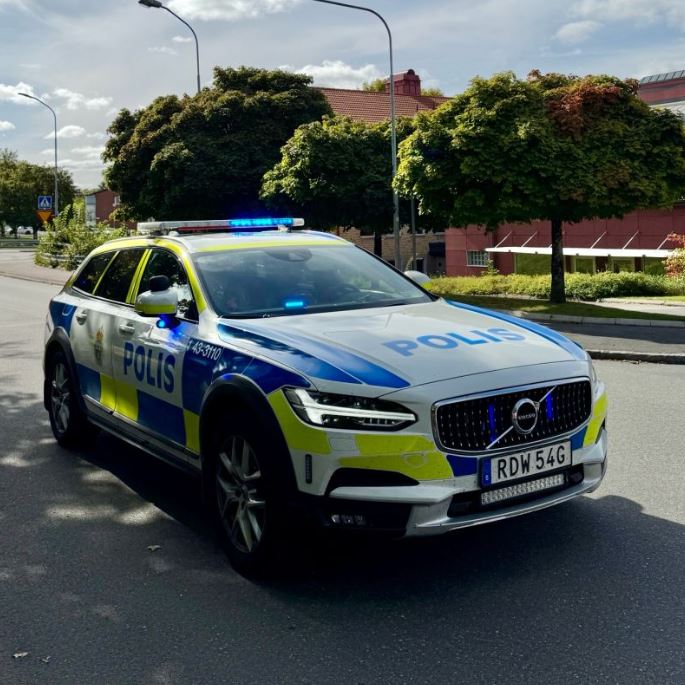
Swedish security police (Säpo) have detained a man in his 40s as part of a criminal investigation into alleged serious violations of sanctions and export-control rules. Authorities say industrial engineering products were apparently shipped from Sweden with Russia — and Russia’s military‑industrial sector — identified as the end user. A second person has also been arrested. Suspects deny wrongdoing and the investigation is ongoing.
For executives, investors and policymakers, the case is a clear signal: enforcement of export controls and sanctions has become a front‑line commercial risk for Nordic engineering and technology firms. The episode underscores the need for tighter compliance, strengthened public–private intelligence sharing, and regulatory clarity that balances open trade with national security. Below we set out the facts, economic and geopolitical context, business implications, and pragmatic steps leaders should consider now.
The case in brief
Arrests and allegations: Säpo detained a man in his 40s in the Stockholm area; he was remanded in custody. Prosecutors say the preliminary investigation covers suspected export of industrial engineering goods intended for Russia’s military‑industrial complex. A second person was arrested in western Sweden; authorities say the investigation remains intensive and several house searches have been conducted. Prosecutors indicate the alleged activity dates from June of last year until the arrests. One defendant has publicly denied the allegations through counsel.
Authorities involved: The investigation is being led by the National Security Unit under public prosecutors in partnership with Säpo and other law‑enforcement agencies. Officials have limited public comment while the inquiry is active.
Why this matters now
Intensified sanctions and export control enforcement: Since Russia’s 2022 invasion of Ukraine, the EU, United States and partners have progressively tightened sanctions and export controls on dual‑use goods and technology considered sensitive to military applications. Enforcement activity — including criminal investigations and cross‑border cooperation — has increased across Europe.
Sweden’s industrial profile: Sweden is a trade‑dependent economy with a globally integrated engineering and advanced manufacturing sector. Even peripheral or component-level exports can carry strategic relevance if diverted to sanctioned end users. The reputational, legal and financial stakes are high for firms implicated in diversion or weak compliance.
Geopolitical backdrop: With Sweden’s security posture more closely aligned with NATO members since accession and with increasing scrutiny of technology flows to Russia, national security considerations are now closely intertwined with commercial export decisions.
Economic and market implications
Supply‑chain vulnerability: Nordic manufacturers and suppliers of specialized components — sensors, bearing systems, precision parts, industrial controls — are exposed to complex end‑use and transit risks. Criminal investigations freeze resources, slow shipments and can prompt banks and logistics providers to de‑risk, affecting trade finance and distribution.
Investor risk: For listed companies and private investors, sanctions‑related allegations can quickly erode valuations through legal liabilities, contract losses, and damage to brand and customer trust. Insurers and financiers increasingly demand robust compliance disclosures.
Competitive positioning: Firms that demonstrate strong compliance and traceability gain a market advantage as customers — and governments — prefer partners who can evidence responsible export practices.
Compliance, governance and operational responses
Upgrade due diligence: Senior management should ensure export‑control screening, end‑user verification, and transactional monitoring are embedded in procurement, sales and logistics processes. This includes understanding intermediary risks, atypical routing, and “gray‑market” distributors.
Invest in technology: Digital tools — from automated screening against sanction lists to blockchain‑enabled traceability and anomaly detection powered by machine learning — can materially reduce diversion risk when combined with human oversight.
Board and audit roles: Boards must treat sanctions compliance as strategic risk, with regular reporting, scenario stress tests, and external audits of export control programs.
Collaborate with banks and shippers: Proactive communication with trade‑finance providers, carriers and insurers can prevent abrupt service denials and enable controlled remediation when issues arise.
Policy and regulatory context — Nordic and international comparisons
Harmonized tightening across jurisdictions: Nordic countries have aligned broadly with EU sanctions regimes and increased export‑control scrutiny since 2022. Enforcement approaches vary — some states emphasize administrative penalties and licensing, others prioritize criminal enforcement — but cooperation and information sharing among customs, police and intelligence services have grown.
Calls for clearer guidance: Businesses — particularly SMEs — continue to call for more detailed, timely guidance from regulators on complex end‑use scenarios and how to handle ambiguous orders without harming legitimate trade. Some Nordic governments have responded with targeted outreach and compliance support; yet gaps remain.
The international dimension: Companies with global supply chains must also contend with extraterritorial measures (e.g., U.S. secondary sanctions) and divergent licensing practices, making multinational compliance programs essential.
Risks, uncertainties and what to watch
Legal trajectory: The case is at a preliminary-investigation stage. Outcomes range from case dismissal to criminal prosecution. Expect authorities to pursue asset tracing, partner networks and shipment records.
Enforcement spillover: High‑profile cases spur precautionary actions across sectors — banks imposing tougher KYC, logistics firms rejecting ambiguous shipments — creating short‑term trade frictions.
Policy tightening: If investigations like this reveal systemic vulnerabilities, regulators may expand control lists, impose stricter licensing for dual‑use items, or increase penalties — raising compliance costs for industry.
Strategic takeaways for leaders
Treat export controls as strategic rather than administrative: Integrate sanctions risk into enterprise risk management frameworks and capital allocation decisions.
Build resilience through transparency: Invest in traceability and supplier‑certification programs; seek bilateral channels with regulators to clarify borderline cases.
Advocate for practical regulation: Industry associations should press for regulatory guidance that balances national security with competitive trade, including support for SME compliance capacity-building.
Strengthen public–private cooperation: Enhanced, timely intelligence sharing between government agencies and trusted industry partners reduces both enforcement surprises and the risk of diversion.
Conclusion — balancing open trade and national security
This Säpo investigation is a reminder that the boundary between commercial trade and national security is narrowing. For Nordic economies rooted in advanced engineering and exports, the imperative is twofold: preserve competitive, open markets while safeguarding against the diversion of sensitive goods. That requires disciplined corporate governance, smarter use of digital tools, and pragmatic public‑policy frameworks that enable firms to trade securely and sustainably. Decision‑makers who act now — investing in compliance, clarifying rules, and strengthening cross‑border cooperation — will reduce legal exposure, protect reputations, and sustain trusted access to global markets.
Note on reporting
The investigation is ongoing. The individuals detained deny criminal activity; prosecutors and Säpo have limited details while inquiries continue. Firms and advisors should monitor official communications from Swedish authorities and relevant EU bodies for updates and guidance.