
Volvo Cars surprised the market this week. Despite posting a quarterly loss of SEK 10 billion, its stock rose on Thursday — a sign that investor confidence remains intact. The boost came as the automaker announced a strategic move: relocating parts of its production to the United States in response to mounting tariffs and shifting global dynamics.
A New Manufacturing Strategy in the Face of Tariffs
With the U.S. imposing 100% tariffs on cars imported from China, Volvo CEO Håkan Samuelsson acknowledged the tough reality.
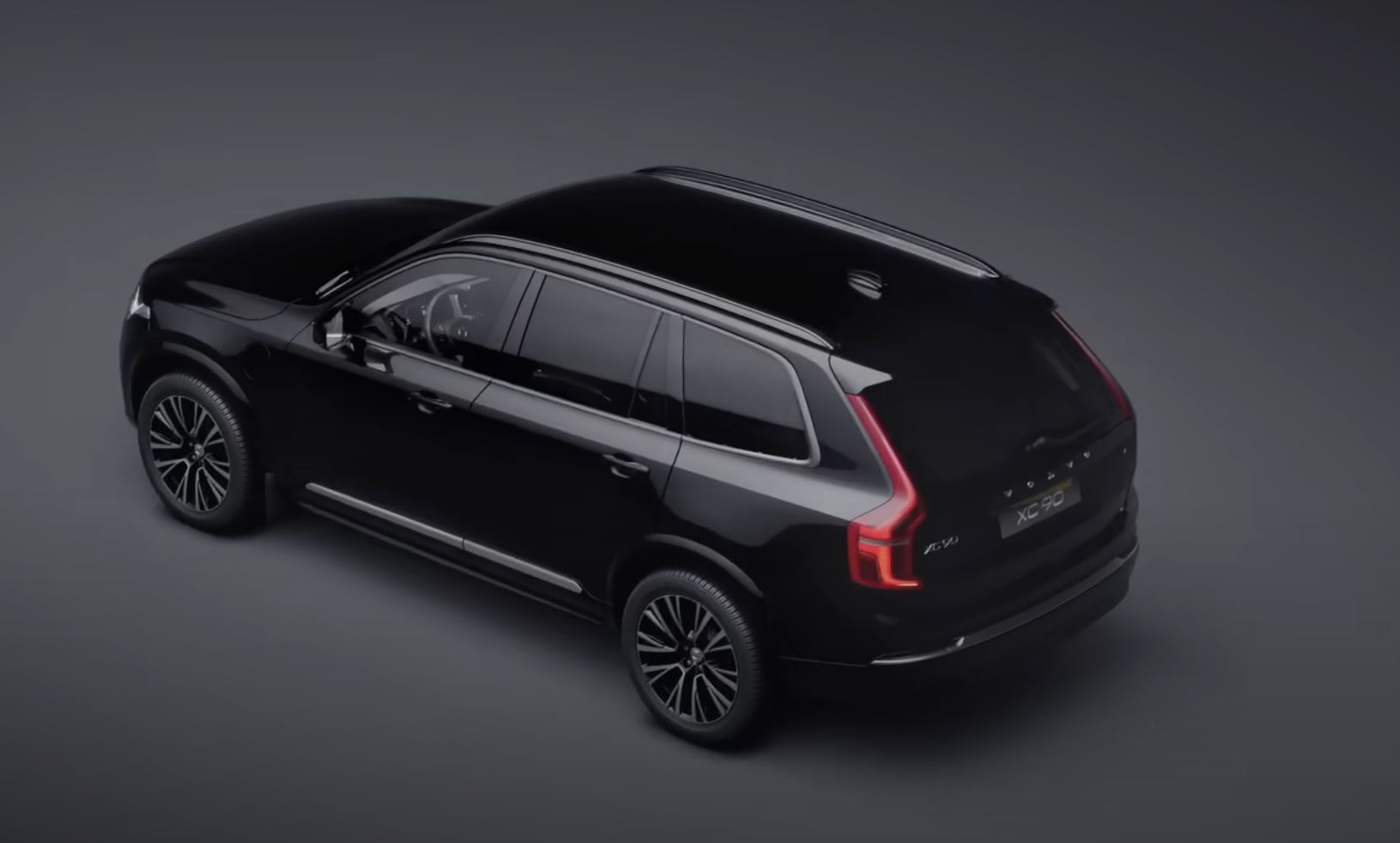
“We have a new model, the ES90, originally intended for the U.S. market. With the new tariffs, those plans are off the table — the car will now only be sold in Europe and China,” Samuelsson said.
However, the tariffs reach beyond finished vehicles. Materials imported for U.S.-based production are also affected, forcing Volvo to rethink its supply chain strategy. The company’s solution? Begin local production of its best-selling U.S. model, the XC60, at its Charleston, South Carolina plant.
“This move allows us to avoid import duties and maintain sales volumes that would otherwise be at risk,” said Samuelsson.
No Risk to Swedish Jobs, Says CEO
The shift raised questions about the future of Volvo’s Swedish workforce — especially at the Torslanda factory in Gothenburg. But Samuelsson was quick to reassure employees.
“Had we not taken this step, we would have likely lost those sales volumes due to the 27.5% customs surcharge. By relocating XC60 production to the U.S., we’re preserving market share, not sacrificing jobs,” he explained.
In fact, Volvo plans to deepen its production roots in Sweden. The company will introduce a new electric vehicle next year, to be manufactured in Gothenburg. Samuelsson emphasized this commitment: “I’m not worried about employment in Gothenburg — quite the opposite.”
Further bolstering its Swedish operations, Volvo intends to reroute European market imports — currently coming from China — back to domestic production.
Accelerating Toward an Electric Future
Volvo’s bigger challenge lies ahead: improving profitability while expanding in two of the world’s most competitive auto markets — the U.S. and China. With Chinese manufacturers producing low-cost electric vehicles at scale, Volvo must carve out a stronger value proposition.
Samuelsson believes the path forward is clear: “Volvo as a dedicated electric car company will be far more competitive, and it will provide more stable, long-term employment than continuing with gasoline vehicles.”
Volvo Cars, which is majority-owned by Chinese conglomerate Geely, is betting its future on electric mobility, regional manufacturing resilience, and strategic adaptability in an era of trade unpredictability.
As global markets evolve and protectionism reshapes supply chains, Volvo’s latest moves reflect a broader trend among automakers — decentralize, localize, and electrify.
By Ganiley Solutions – Ganileys Solutions is a Management Consultancy based in Göteborg Sweden