
A Landmark Move: The 18th Sanctions Package
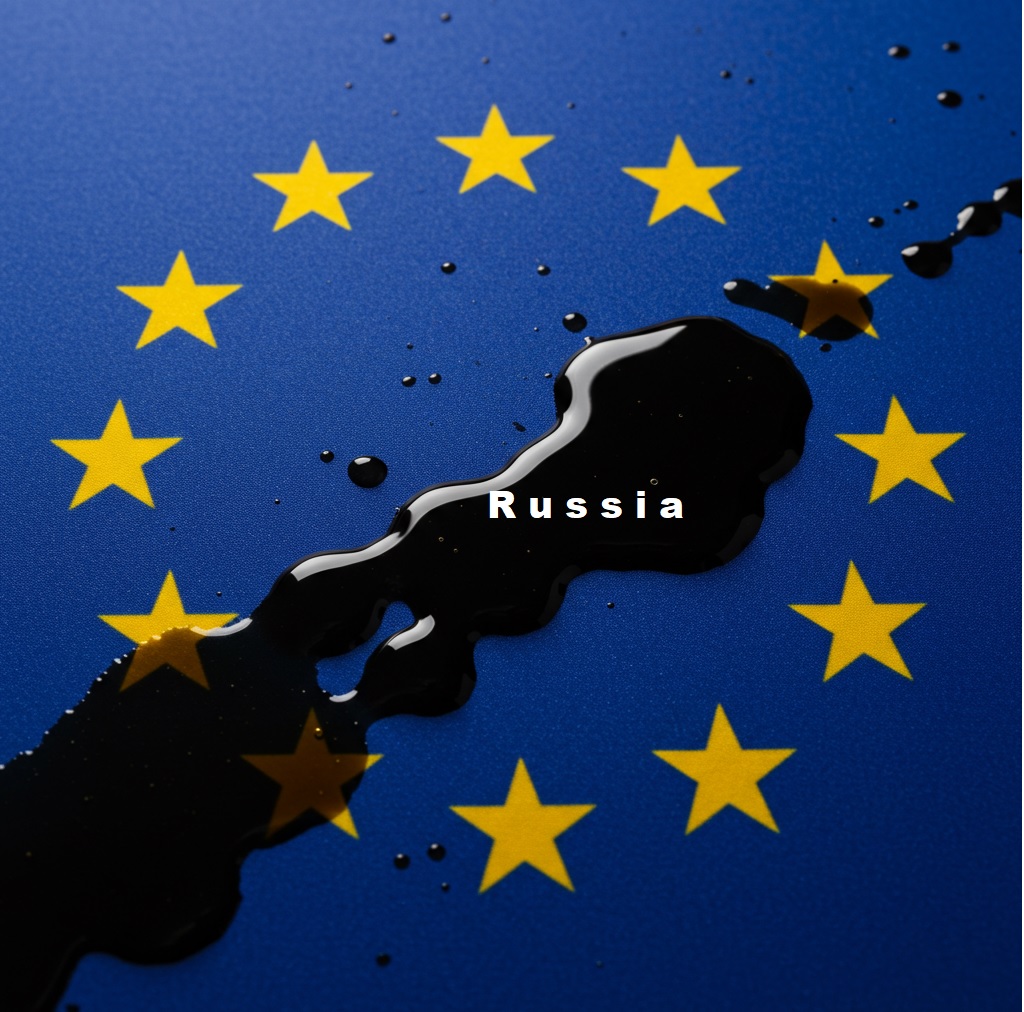
The European Union has unveiled its 18th and toughest sanctions package against Russia since the start of the Ukraine war, boldly escalating economic pressure by slashing the cap on Russian oil and unveiling aggressive new measures to undermine Moscow’s ability to export crude via its shadow fleet.
Dynamic Price Cap: A Direct Hit to Russian Revenue
- Price Cap Lowered: The EU has dropped the price cap on Russian crude oil shipped by sea from $60 a barrel to $47.60—a 15% discount to the average global market price for Urals crude. This adjustment aligns the cap with current market trends and aims to block Russia from profiting as it had under the earlier, less strict ceiling.
- Dynamic Adjustment: The cap will now be dynamically recalibrated every six months, automatically staying 15% below the average market price, allowing for ad-hoc changes if oil prices fluctuate sharply.
- Scope: The restrictions apply to all G7 and EU companies involved in the shipping, financing, insurance, or technical servicing of Russian oil trades above the capped price.
Key Objective: To further strangle revenues that sustain Moscow’s military effort, hitting at the heart of Russia’s war machine.
Shadow Fleet Under Fire
- Widened Blacklist: An additional 105 vessels deemed part of Russia’s shadow fleet—aging or obscure tankers used to secretly ferry sanctioned oil—are now prohibited from accessing EU ports, locks, and participating in ship-to-ship transfers. The list of blacklisted ships now exceeds 400 vessels.
- Ripple Effect: These measures make it increasingly difficult for Russia to circumvent sanctions. European ports and service providers are being systematically blocked from facilitating or supporting these tankers.
The Shadow Fleet: What Is It?
- The term refers to a growing flotilla of older, often uninsured ships used by Russia and intermediaries to disguise the origins and destinations of oil cargoes.
- These vessels often operate under obscure flags and conduct ship-to-ship transfers at sea to evade price caps and embargoes.
Additional Sanction Measures
- Financial Crackdown: All transactions with 22 additional Russian banks, and Russia’s sovereign wealth funds, are now banned as part of expanded restrictions on Moscow’s access to international finance.
- Nord Stream Pipelines: A full ban on any transaction or servicing related to Russia’s Nord Stream Baltic gas pipelines has been enacted, thwarting future attempts to reactivate these assets.
- Targeting Evasion Networks: Entities and shipping companies in third countries, including several in China, Hong Kong, and Turkey, suspected of facilitating sanctions evasion or stretching the oil price cap, are also blacklisted.
Enforcement and Loopholes
- The new, flexible price cap addresses previous loopholes where Russia successfully sold oil above the old $60 ceiling by exploiting enforcement gaps and shadow fleet operations.
- The ban extends to refined petroleum products derived from Russian crude, especially those laundered into the EU market via processing in countries like India and Turkey, closing critical circumvention routes.
EU and Allies: United Front, With Nuances
- The UK has synchronized measures with the EU, but the United States has so far resisted dropping its own price cap, highlighting a fissure in the transatlantic approach despite coordinated announcements.
- The EU’s robust action reflects growing political will to escalate the cost of war for Moscow, even as scepticism persists among traders and analysts over enforcement efficacy without full G7 alignment.
Outlook: Impact and Challenges Ahead
- The new cap strikes directly at Russia’s oil profits, which are vital for funding its military. Russia relies on energy exports for about 30% of its federal budget.
- The expanded vessel blacklist and the dynamic cap mechanism are expected to make it much harder for Russia to move oil undetected, though significant enforcement challenges and loopholes—such as ship-to-ship transfers—remain.
- EU leaders stress these measures are not static: “The pressure is on. It will stay on until Putin ends this war,” vowed European Commission President Ursula von der Leyen.
Summary Table: Key Components of the EU’s 18th Sanctions Package
| Measure | Details |
| Crude Oil Price Cap | Lowered from $60 to $47.60 per barrel; now dynamic, 15% below market price |
| Shadow Fleet Vessel Ban | +105 vessels banned (total >400); denied EU port access or servicing |
| Financial Sanctions | Ban on 22 more Russian banks; Russian Direct Investment Fund blacklisted |
| Gas Infrastructure Ban | All transactions with Nord Stream pipelines prohibited |
| Broadened Evasion Blacklist | More entities in China, HK, Turkey named for sanctions-busting activity |
| Refined Product Origin Rule | Ban on petroleum products made from Russian crude, regardless of point of entry |
With these moves, the EU seeks to tighten the screws on Russia’s war economy, hitting both Moscow’s wallets and its ability to sidestep sanctions at sea—demonstrating a renewed commitment to end the war in Ukraine.