
Background: Accusations Emerge
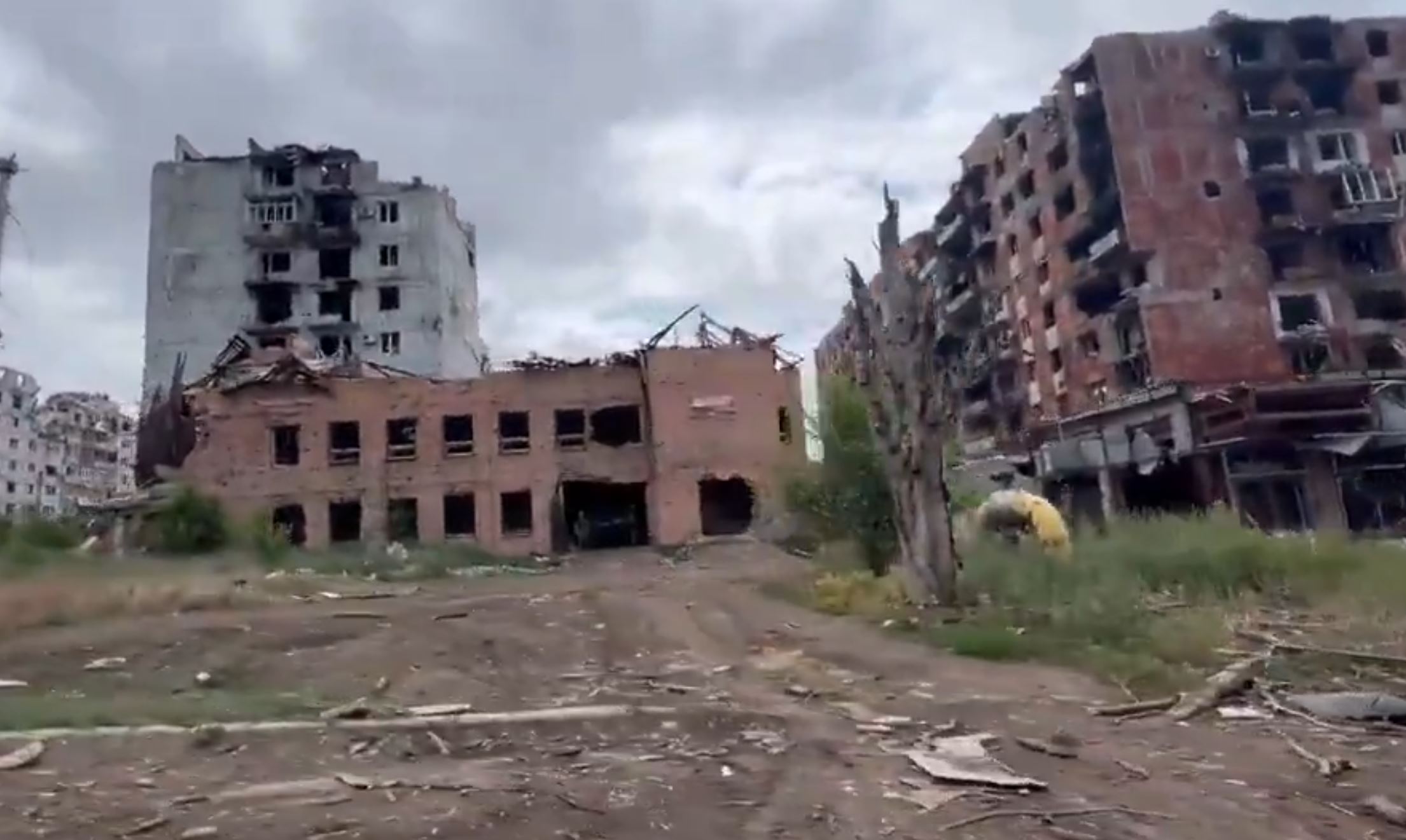
A major Danish inspection company, Baltic Control, is facing serious allegations following a joint investigation by Ukrainian journalists, including reporters from KibOrg and NGL.media, who claim the company’s Russian subsidiary actively facilitated Russia’s export of grain from occupied Ukrainian ports, notably Berdyansk. The grain, reportedly stolen from Ukrainian territories occupied by Russia since 2022, has been shipped in large quantities to countries such as Turkey, Egypt, Libya, Lebanon, Syria, Saudi Arabia, and Bangladesh.
The Alleged Scheme
- Documented Shipments: Investigative teams accessed internal port documentation, unveiling evidence of about 20 vessels making 85 voyages from Berdyansk between 2024 and mid-2025. These shipments totalled over 420,000 metric tons of agricultural products.
- Role of Baltic Control Novorossiysk: The Russian-registered subsidiary, “Baltic Control Novorossiysk,” is accused of providing inspection and verification services—such as cargo hold inspections and draft surveys—for these grain shipments, effectively granting legitimacy and compliance to the exports. Dozens of emails between Russian firms reference Baltic Control’s involvement.
- Link to Parent Company: When contacted by journalists posing as grain traders, the central Baltic Control office in Denmark confirmed that the Novorossiysk branch was operational and provided the director’s contact information. The director, Alexander Shalimov, initially confirmed their services in Berdyansk to undercover journalists posing as grain traders. However, when later contacted by Ukrainian reporters, he categorically denied providing any services in Berdyansk and refused further comment.
Baltic Control’s Denial
- Director’s Contradictory Statements: Baltic Control’s director in Russia, Alexander Shalimov, first acknowledged his company’s work in Berdyansk while speaking to a journalist posing as a Polish client, emphasizing Baltic Control was the only local inspector and touting the quality of service. Later, facing Ukrainian journalists, Shalimov denied any operations in the port and declined to answer additional questions.
- Silence from Danish Headquarters: Despite multiple requests from journalists for clarification, both the central Baltic Control office in Denmark and the Russian subsidiary stopped responding to inquiries about the activities in Berdyansk.
- Legal and Ethical Implications: International law experts suggest that if confirmed, the company’s involvement in inspecting grain from occupied Ukrainian territories could potentially constitute complicity in violations of international law or war crimes.
Investigation Findings at a Glance
| Key Detail | Reported by Investigators |
| Company Involved | Baltic Control (Denmark) and Russian subsidiary |
| Period of Activity | March 2024 – May 2025 |
| Port | Berdyansk (occupied by Russia) |
| Total Grain Exported | Over 420,000 metric tons |
| Countries Receiving Grain | Turkey, Egypt, Libya, Lebanon, Syria, Saudi Arabia, Bangladesh |
| Baltic Control’s Official Position | Denial of involvement by Russian director, no response from HQ |
Broader Context and Reactions
- Market Disruption: The influx of Ukrainian grain, exported as Russian product, is said to have affected EU and broader regional markets, raising concerns over the undermining of sanctions and complicity of Western companies.
- Ongoing Investigations: Multiple media reports and watchdogs continue to scrutinize Baltic Control and similar western companies whose subsidiaries may inadvertently or knowingly facilitate sanction evasion or the export of goods from occupied territories.
Conclusion
The controversy around Baltic Control underscores the challenges of enforcing international law and sanctions amidst armed conflict and occupation. While the company’s Russian branch is implicated by strong documentary and testimonial evidence, the director’s public denial and silence from Danish headquarters leave many questions unanswered. The international community, as well as legal and business observers, will be watching closely as investigations develop.