
Artificial sweeteners have long been marketed as a healthier alternative to sugar, especially for people managing diabetes or trying to lose weight. However, recent scientific findings are raising alarms about the safety of some of these sweeteners, particularly one commonly used in soft drinks, tabletop sweeteners, and processed foods.
A groundbreaking study from the University of Colorado Anschutz Medical Campus has found that a widely used artificial sweetener can significantly and immediately increase the risk of heart attacks and strokes in some individuals. This discovery has reignited the debate over whether artificial sweeteners truly offer any health benefits—or if they may, in fact, be doing more harm than good.
What Are Artificial Sweeteners?
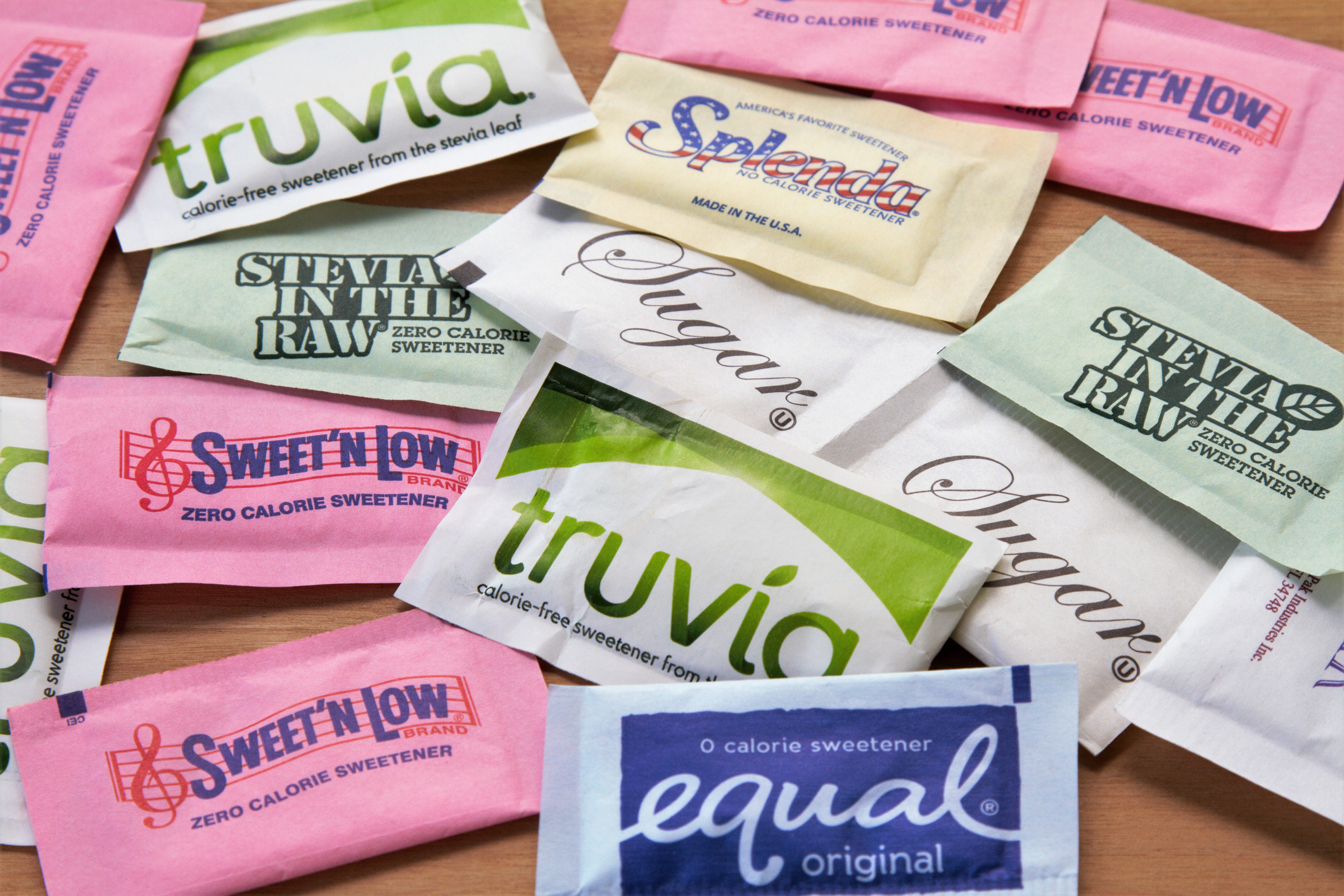
Artificial sweeteners are synthetic or naturally derived substances that provide a sweet taste without the calories of sugar. They are used in a wide range of products, including diet sodas, low-calorie desserts, chewing gum, and even medications. Common artificial sweeteners include:
- Aspartame (Equal, NutraSweet)
- Sucralose (Splenda)
- Saccharin (Sweet ‘N Low)
- Stevia (natural, plant-based)
- Erythritol (a sugar alcohol)
While some sweeteners are derived from plants or herbs, others are chemically synthesized. They are often much sweeter than table sugar (sucrose), so only small amounts are needed to achieve the desired sweetness.
Recent Study Findings: Erythritol and Cardiovascular Risk
In February 2023, a major study published in Nature Medicine by researchers at the Cleveland Clinic made headlines by linking erythritol, a popular sugar alcohol used in many low-sugar and keto-friendly products, to an increased risk of major adverse cardiovascular events, including heart attacks and strokes.
However, more recent research from the University of Colorado Anschutz Medical Campus (2024) has expanded on these findings. Their study found that erythritol and sucralose, when consumed in typical dietary amounts, caused immediate changes in blood clotting patterns and endothelial dysfunction —a key early marker of cardiovascular disease.
Key findings from the University of Colorado study include:
Within 30 minutes of consuming a drink containing erythritol or sucralose, participants showed increased platelet hyperactivity, which raises the risk of blood clots.
The sweeteners were found to interfere with nitric oxide production, impairing blood vessel function.
Long-term users of artificial sweeteners had higher levels of inflammatory markers linked to heart disease.
The effects were more pronounced in individuals with pre-existing metabolic conditions like obesity or diabetes.
These findings suggest that artificial sweeteners—once thought to be inert—may have direct and immediate physiological effects on the cardiovascular system.
Why This Matters
Millions of consumers worldwide rely on artificial sweeteners as a way to enjoy sweetness without the calories. However, mounting evidence suggests that these substances may not be the harmless alternatives they were once believed to be.
The implications are significant:
Heart disease remains the leading cause of death globally, and artificial sweeteners may be contributing to this burden in ways we’ve only begun to understand.
People with diabetes or obesity—who are already at higher risk for heart disease—are often encouraged to use these sweeteners, but they may be the most vulnerable to their harmful effects.
What Can Consumers Do?
While more research is needed to fully understand the risks and mechanisms involved, here are some practical steps you can take based on current evidence:
- Limit or Avoid Artificial Sweeteners
Read food labels carefully. Look for ingredients like erythritol, sucralose, aspartame, and saccharin. Be aware that many “low-sugar” or “keto” labelled products contain artificial sweeteners.
- Use Natural Alternatives in Moderation
Raw honey, maple syrup, and coconut sugar are natural sweeteners that still contain calories but may have fewer harmful effects when consumed in moderation.
Whole fruits can satisfy sweet cravings while providing fibre, vitamins, and antioxidants.
- Focus on Whole, Unprocessed Foods
The best way to reduce sugar and sweetener intake is to eat a diet rich in whole foods—vegetables, fruits, lean proteins, and healthy fats.
- Stay Informed and Advocate for Transparency
Push for clearer labelling and further research into the long-term health effects of artificial sweeteners.
Encourage regulatory agencies like the FDA and EFSA to re-evaluate current safety guidelines in light of new findings.
Conclusion
The idea that artificial sweeteners are a safe, guilt-free alternative to sugar is being seriously challenged by emerging science. The University of Colorado study and others like it show that these sweeteners may pose real and immediate dangers to cardiovascular health.
While artificial sweeteners may still have a place in specific medical conditions (e.g., managing diabetes), for the general population, moderation and awareness are key. As research continues to evolve, the safest bet may be to return to nature’s sweeteners—and enjoy them in their most whole, unprocessed forms.
References
- University of Colorado Anschutz Medical Campus (2024) – Cardiovascular effects of artificial sweeteners.
- Nature Medicine (2023) – Erythritol and cardiovascular risk.
- Cleveland Clinic (2023) – Link between erythritol and heart attack risk.
- FDA and EFSA guidelines on artificial sweeteners – Current regulatory perspectives.