
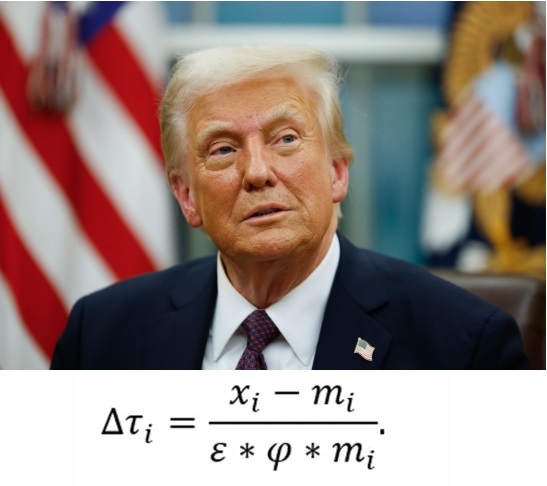
In a dramatic escalation of transatlantic trade tensions, U.S. President Donald Trump has upped his tariff demands in ongoing negotiations with the European Union. According to reports sourced by the Financial Times, Trump is now insisting on a minimum customs duty of 15–20 percent in any prospective trade agreement. This position marks a sharp departure from earlier negotiations, which revolved around a baseline tariff of 10 percent. Trump has also shown little willingness to entertain EU offers to reduce car tariffs, holding fast to 25 percent duties on European vehicles.
The Strategic Motives Behind Trump’s Approach
Analysts and European officials interpret Trump’s abrupt hardening of his tariff stance as potentially motivated by several overlapping factors:
- Political Distraction: Trump’s insistence on steeper tariffs coincides with heightened political pressures at home, causing some observers to view the move as a distraction from domestic issues by reigniting a familiar external adversary.
- Deliberate Undermining of Trade Norms: The administration’s approach fits a pattern of seeking to weaken the established structures of international trade. Trump’s push for high, “reciprocal” tariffs on broad sectors, coupled with threats of even harsher penalties (including a floated 30–50 percent tariff), suggests a broader destabilizing objective rather than mutually beneficial deal-making.
EU and Global Responses: Fatigue and Strategic Recalculation
EU Positions and Countermeasures
The EU’s initial reaction has been one of both caution and mounting resolve. European Commission President Ursula von der Leyen stated that the EU is “prepared to undertake all necessary measures” to protect its interests if negotiations fail. A comprehensive package of retaliatory tariffs has been prepared, targeting U.S. exports across diverse sectors such as cars, planes, agri-foods, bourbon, and even niche items like Christmas trees and electrical goods9. However, the EU remains divided internally—countries like France and Spain favour a tough stance, while Germany and others appear anxious to avoid escalation.
Impact on Business and Trading Partners
Business lobbies, especially in the automotive and manufacturing sectors, have voiced alarm at the potential financial toll of the threatened duties. European exporters, already feeling the strain from previous rounds of tariffs, are warning that further increases could severely disrupt transatlantic supply chains.
There is a growing sense among EU and other global trading partners that repeated confrontations and unpredictable demands from the U.S. could push them toward diversifying their trade relationships. Some EU officials and commentators speculate that, after years of “Trump’s rigmarole,” both public and private actors may indeed become “numb” to U.S. moves—accelerating efforts to bolster intra-EU trade, solidify ties with Asia, and seek alternate markets less subject to sudden political shocks.
The Stakes: More Than Just Tariffs
- Broader Geopolitical Fallout: The hardening of U.S. demands risks not just economic damage but also deeper fissures in the transatlantic alliance, at a time when global cooperation is under strain.
- The Reality of Trump’s “Deal” Tactics: European negotiators have noted the unpredictable and shifting nature of U.S. demands, with moving goalposts creating a volatile environment for business planning and diplomatic engagement.
- Deadline Looms: With an August 1 deadline fast approaching for the imposition of even steeper U.S. tariffs, both sides face intense pressure to reach a compromise or brace for a new phase of open trade conflict.
In summary: Trump’s sudden escalation—demanding at least 15–20 percent tariffs and threatening even higher—appears aimed as much at projecting strength to domestic audiences as at extracting concessions abroad. However, this combative style risks alienating key trading partners and could drive the EU and others to seek stability outside of the U.S. orbit. As the world watches, the next steps may shape not just trade flows, but the very foundations of the international economic order.