
Denmark’s Minister of Justice, Peter Hummelgaard, has issued a stark warning: international drug smuggling networks are increasingly targeting smaller Scandinavian ports as primary entry points for narcotics into the European Union. Speaking ahead of a high-level European Port Alliance meeting in Helsingør, Hummelgaard emphasized that the region is witnessing a dramatic shift in trafficking routes, a trend exemplified by recent events at the port of Helsingborg.
From Big Ports to Local Harbors: A Strategic Shift
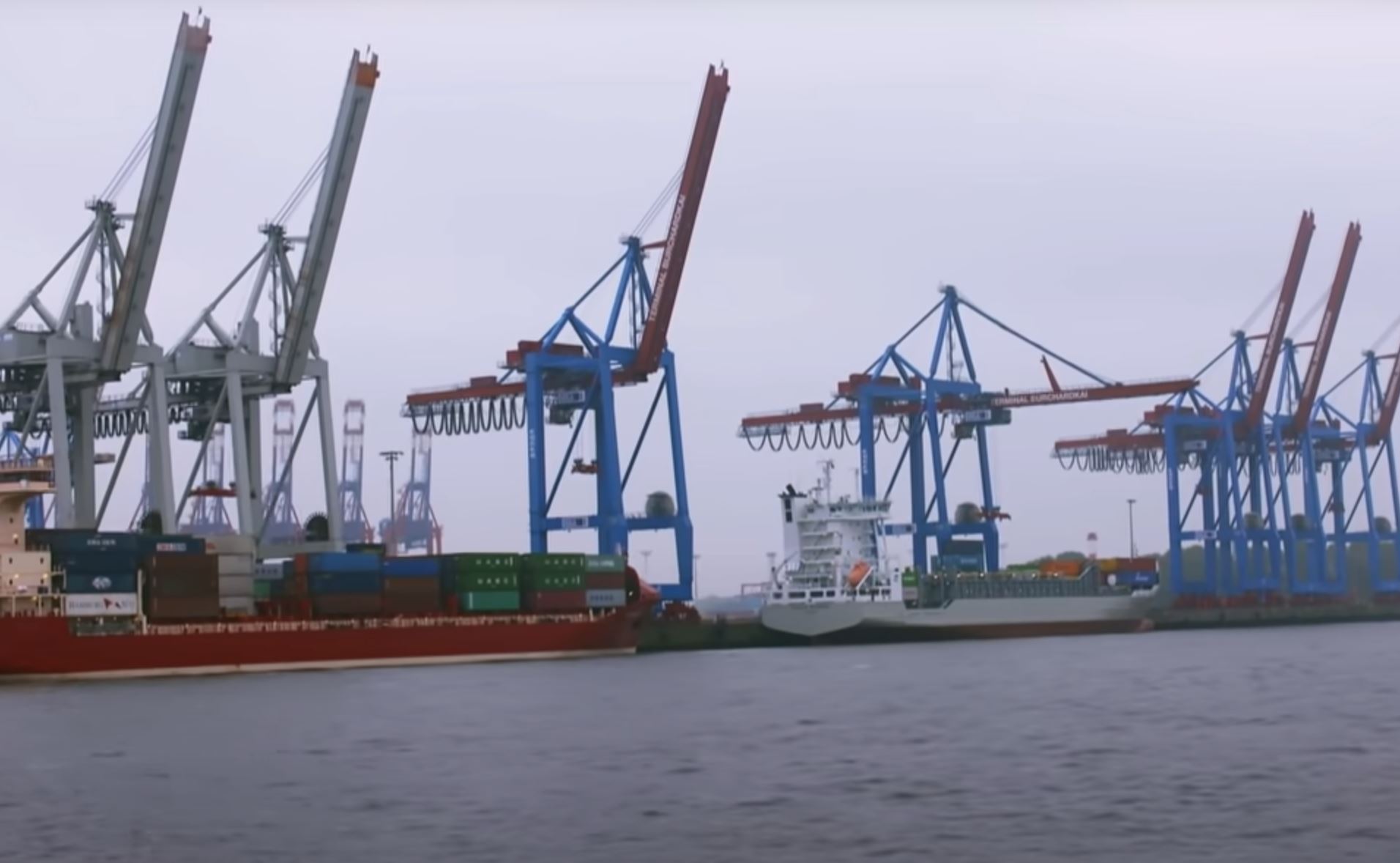
Traditionally, Europe’s major ports like Rotterdam, Antwerp, and Hamburg have served as the main gateways for illicit drugs—especially cocaine—entering the continent. However, as authorities have tightened controls and ramped up anti-smuggling operations at these major hubs, criminal organizations have recalibrated their tactics, redirecting shipments to less patrolled, smaller ports across Scandinavia. Hummelgaard specifically highlighted the vulnerability of Scandinavian coastlines and the strategic lure they now present to traffickers, stating, “We can see that criminals are directing traffic to Scandinavian countries where we have long coastlines”.
Helsingborg: A New Epicentre
Just across the Öresund from Denmark, the Swedish port of Helsingborg has emerged as a notable entry point for large-scale cocaine shipments bound for Northern Europe. This evolving threat landscape has prompted regional leaders to urge smaller and medium-sized ports to adopt security and detection methods proven effective in larger ports. The urgency of these calls comes as new smuggling routes have been substantiated by record cocaine seizures at seaports in northern countries including Sweden and Norway in 2023, marking a distinct uptick in organized criminal activity across the region.
Record Seizures, Major Arrests
Highlighting the scale of the challenge, Danish law enforcement has recently dismantled a major cocaine smuggling ring involving three Danish citizens. Two suspects were apprehended by Portuguese police aboard a vessel carrying nearly 1.7 tons of cocaine, while a third was arrested in Spain. These arrests underline both the transnational scope of the criminal operations and the readiness of traffickers to exploit maritime routes from South America, often transiting through African or Spanish ports before heading north.
International Cooperation: A Vital Response
The scale and sophistication of contemporary drug trafficking operations underscore the pressing need for coordinated action among police, customs authorities, port operators, and governments. The EU’s recently formed European Port Alliance—a theme of the ongoing Helsingør meeting—aims to foster cross-border strategies, share intelligence, and strengthen the resilience of Europe’s logistic infrastructure against organized crime. Authorities are also increasingly investing in advanced container-scanning technology, risk-based customs controls, and tighter supply chain security.
A Regional Problem with Global Dimensions
Denmark is not alone in raising the alarm. Norwegian Prime Minister Jonas Gahr Støre has similarly highlighted how global trafficking networks are using Scandinavian ports as stepping stones—sometimes extending shipments as far as Australia. The phenomenon is emblematic of a wider European trend: despite record seizures (323 tons of cocaine intercepted in 2022 across Europe), traffickers remain highly adaptive, exploiting any perceived gap in the continent’s border and port defences.
Conclusion
As narcotics continue to pour into the EU via increasingly diverse maritime routes, Scandinavian countries—long considered less exposed than southern neighbours—find themselves on the frontlines of Europe’s fight against drug smuggling. The recent seizure of nearly 1.7 tons of cocaine and the high-level political response signals a new era of regional vigilance. For Justice Minister Hummelgaard and his Scandinavian counterparts, the message is clear: the defence of Europe’s smaller ports is now as critical as that of its largest harbours.