
Overview
Chinese automotive manufacturers are rapidly gaining ground in Europe’s car market, achieving a record market share in the first half of 2025. Despite earlier attempts being met with scepticism, Chinese brands have now doubled their presence, with sales surging by 91% year-on-year and their market share climbing from 2.7% in the first half of 2024 to over 5.1% in 2025—putting them just shy of industry giants like Mercedes-Benz. This rise has been fuelled by an agile response to EU tariffs, a strategic shift toward hybrids, aggressive pricing, and significant technological improvements.
Key Facts and Figures
| Metric | 2024 H1 | 2025 H1 | Change |
| Chinese brands market share | 2.7% | 5.1–5.9% | +91% sales |
| Units sold by Chinese brands | 181,774 | 347,135 | +91% units |
| BYD Europe sales | 17,135 | 70,500 | +311% |
| MG sales (year-to-date) | ~97,000 | 133,400 | +30% |
*Note: Market share is region-wide, for 28 European countries. Main competitors include MG (SAIC), BYD, Chery (Jaecoo, Omoda), Leapmotor, and Xpeng. Their market share now exceeds Ford’s (3.8%) and approaches Mercedes-Benz (5.2%), and has overtaken longtime European stalwart Fiat in some months.
Drivers of Chinese Success
1. Smart Response to Tariffs
While the EU imposed additional tariffs (as high as 35%) on imported Chinese electric vehicles, Chinese brands quickly pivoted to plug-in hybrids, which are not subject to these measures. This allowed continued strong growth in sales of electrified vehicles—including both hybrids and BEVs—despite trade barriers.
2. Aggressive Pricing and Value
Chinese automakers have used competitive pricing to undercut European brands—offering vehicles that can be €10,000 less than direct rivals, particularly in the hybrid and EV space. Combined with rapid model rollouts (as fast as six months from roadmap to showroom) and design flexibility, this allowed Chinese companies to fill market gaps swiftly.
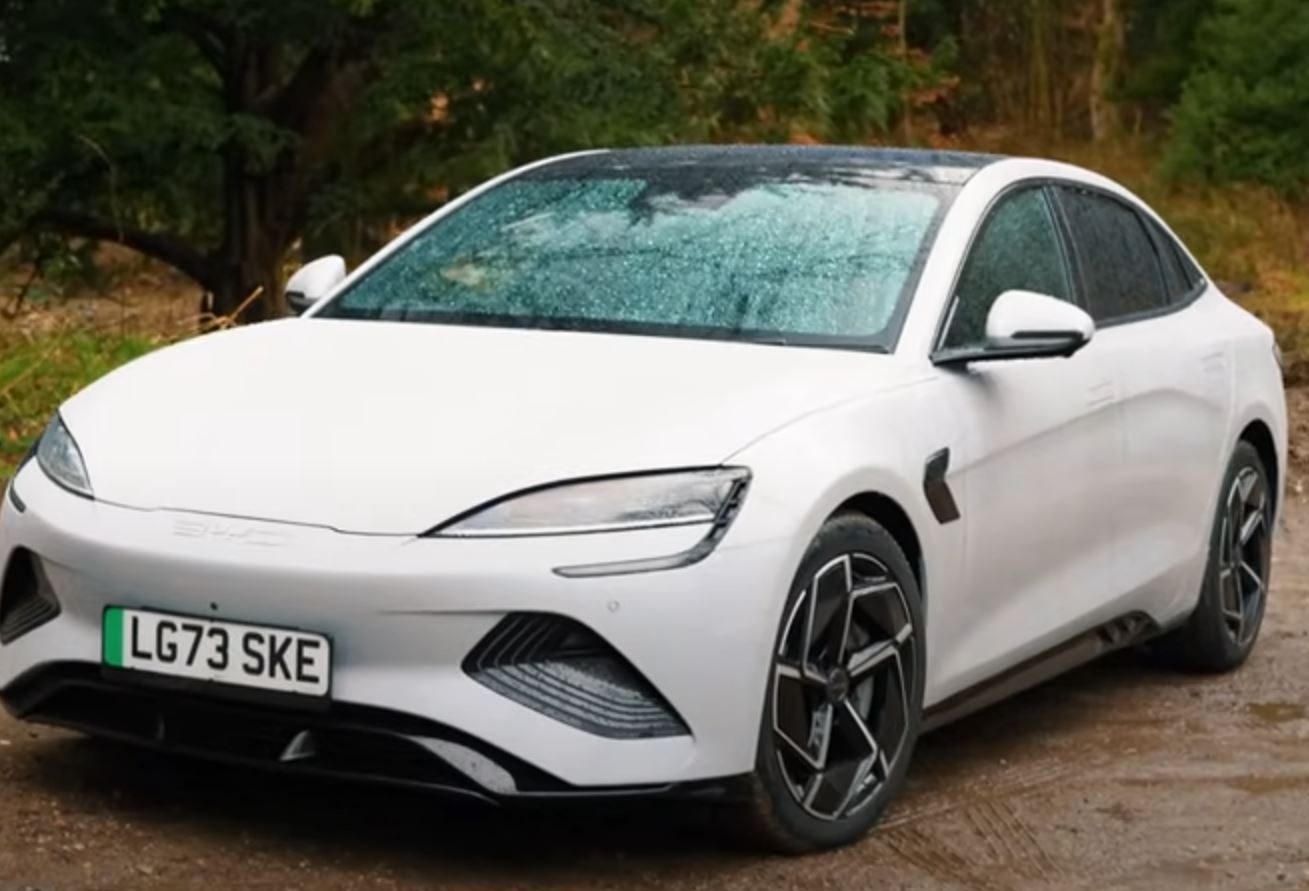
3. Technological Innovation and Quality
Chinese brands have invested heavily in software, battery technology, and in-car digital experiences, narrowing the quality and technology gap with established players. Improvements in reliability and customer service have also helped reshape European consumer perceptions.
4. Expansion in Strategic Markets
Chinese brands targeted markets like Italy and Spain, where competition from German and French brands is less entrenched, and expanded dealer networks. They continue launching locally tailored models, helping them establish a stronger European footprint.
The Impact on European Carmakers
Despite modest overall growth in the European new car market (up just 1.3% in May), Chinese brands recorded a 111% increase and now command more than double their market share versus 2024. Established players such as Volkswagen, Renault, Mercedes-Benz, and BMW saw only marginal gains, while others like Stellantis and Toyota experienced sales declines. Profit warnings have become more common, especially for brands reliant on premium or combustion-engine vehicles.
How Can European Carmakers Respond?
European automakers face a critical strategic crossroads. To remain competitive and regain lost ground, several key actions stand out:
- Accelerate Electrification & Hybrid Strategy: European firms need to quickly scale up their offerings in battery electric, hybrid, and plug-in hybrid segments—not only to meet regulatory deadlines but to compete with the fast-evolving lineups from China.
- Enhance Cost Efficiency: Developing affordable models without sacrificing core brand values is essential. Forming partnerships, leveraging modular platforms, and utilizing software-defined vehicles can help reduce costs and increase speed to market.
- Reinvent Brand Value Propositions: Brands should emphasize safety, heritage, local manufacturing, and after-sales service—areas where they still enjoy strong consumer trust.
- Push Innovation: Investing in software, digital user experience, and advanced battery tech will be crucial. Collaborating with technology firms may accelerate these ambitions.
- Expand Government and EU Support: Lobbying for “urgent relief measures,” as well as investments in local battery supply chains and critical materials, may help level the playing field.
To conclude, the surge of Chinese automotive brands in Europe represents more than just increased competition—it signals a fundamental shift in the global car industry’s balance of power. European automakers must adapt rapidly, rethinking strategies and innovating to meet changing consumer demands and regulatory landscapes. Those who can match the agility and technological drive of their Chinese rivals will be best positioned to thrive in this fast-evolving market.