
After a cliff-edge stand-off that lasted for months, the United States and the European Union finally agreed on a framework trade deal late on Sunday 27 July 2025. The headline is simple: instead of the 30 % levy that President Trump had threatened, a uniform US tariff of 15 % will apply to almost all EU exports from 1 August. Brussels also pledged to purchase $ 750 billion in US energy and military equipment and to channel $ 600 billion of fresh EU investment into American projects over the next three years.
For Nordic business leaders, the accord removes the worst-case scenario but replaces it with a clear, permanent drag on competitiveness.
How the 15 % tariff hits Nordic exporters
| Sector | Pre-deal US tariff | New rate | Nordic pain-point |
|---|---|---|---|
| Passenger cars | 27.5 % | 15 % | Sweden’s Volvo Cars and Polestar, plus Norwegian EV makers, lose price edge in the US |
| Industrial machinery | 2–4 % | 15 % | Danish pumps-to-pharma giant Novo Nordisk, Swedish heavy-equipment maker Volvo CE, and Finnish elevator firm Kone all see margin squeeze |
| Fish & seafood | 0–3 % | 15 % | Norway’s salmon farmers (Marine Harvest, SalMar) face the steepest jump; the US is Norway’s most valuable seafood market |
| Pharmaceuticals | 0 % | 15 % | Danish Lundbeck, Swedish AstraZeneca and Bavarian Nordic absorb duty on US sales |
The Confederation of Danish Industry (DI) warned yesterday that the agreed rate “will cost Danish exporters hundreds of millions of kroner every year” and “undermines the green-tech leadership we have built up in areas such as wind turbines, enzymes and insulin”. DI’s deputy director, Søren Kjeldsen, said the certainty is welcome “but our companies would have preferred real free trade rather than managed tariffs”.
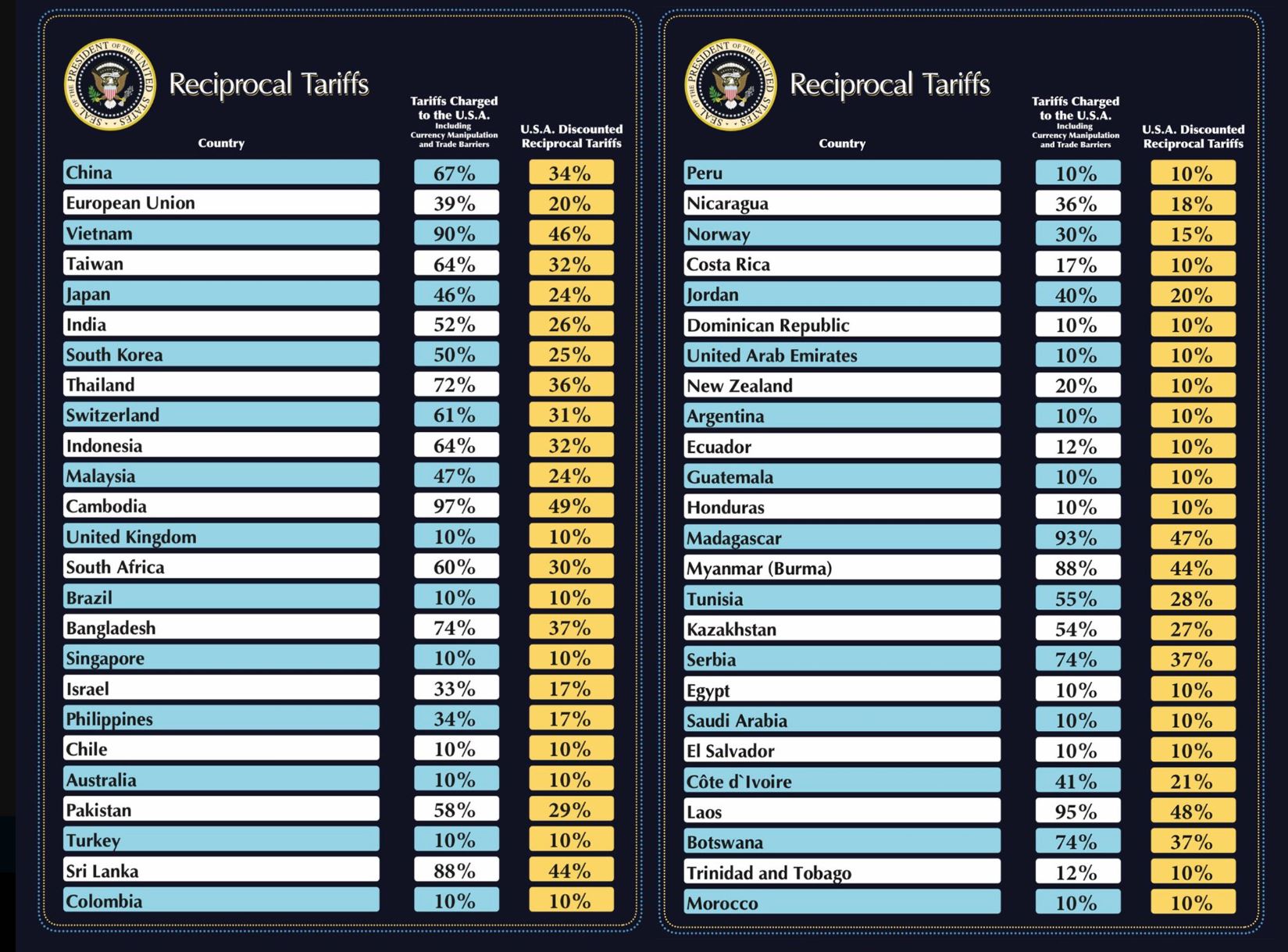
“Relief, not celebration” – voices from the Nordic boardrooms
- Volvo Cars (Sweden) – A spokesman told Dagens Industri that “the tariff cut from 27.5 % to 15 % is better than feared, yet still translates into an annual profit hit of around SEK 2 billion”.
- Orsted (Denmark) – CEO Mads Nipper said the firm will “pass through some of the cost to US utilities, but the 15 % levy makes offshore wind more expensive at a time when America desperately needs clean power”.
- Marine Harvest (Norway) – CFO Kristian Ellingsen was blunter: “We have already started to re-route salmon to Canada and Asia; the US price will go up for American consumers”.
Political backlash: “Europe bent the knee”
Across the Nordic parliaments, the deal has triggered a backlash against what many see as capitulation to US pressure.
- Danish MP Rasmus Jarlov (Conservative People’s Party) posted on X that the accord is “nothing to celebrate – almost everything will become more expensive in both Europe and the US” and accused the White House of “economic illiteracy”.
- Swedish Left Party leader Nooshi Dadgostar called it “a dark day for European sovereignty – we are now financing Trump’s re-industrialisation with European savings”.
- Norwegian Centre Party MP Geir Pollestad (whose party supports the minority Støre government) told NRK that “the US treats allies like vassals; Norway should stay outside any EU-US investment pledges that are not in our national interest”.
Even German Chancellor Friedrich Merz, whose country is the EU’s largest exporter, admitted the deal “averted a trade conflict” but lamented that “tariffs remain far higher than historical norms” .
Bottom line
The 15 % tariff floor brings predictability after months of whiplash, but Nordic exporters will pay for that certainty through higher landed costs, squeezed margins and lost market share. As Danish Industry puts it: “We have moved from the threat of a hurricane to the certainty of a storm – but a storm still causes damage.”