
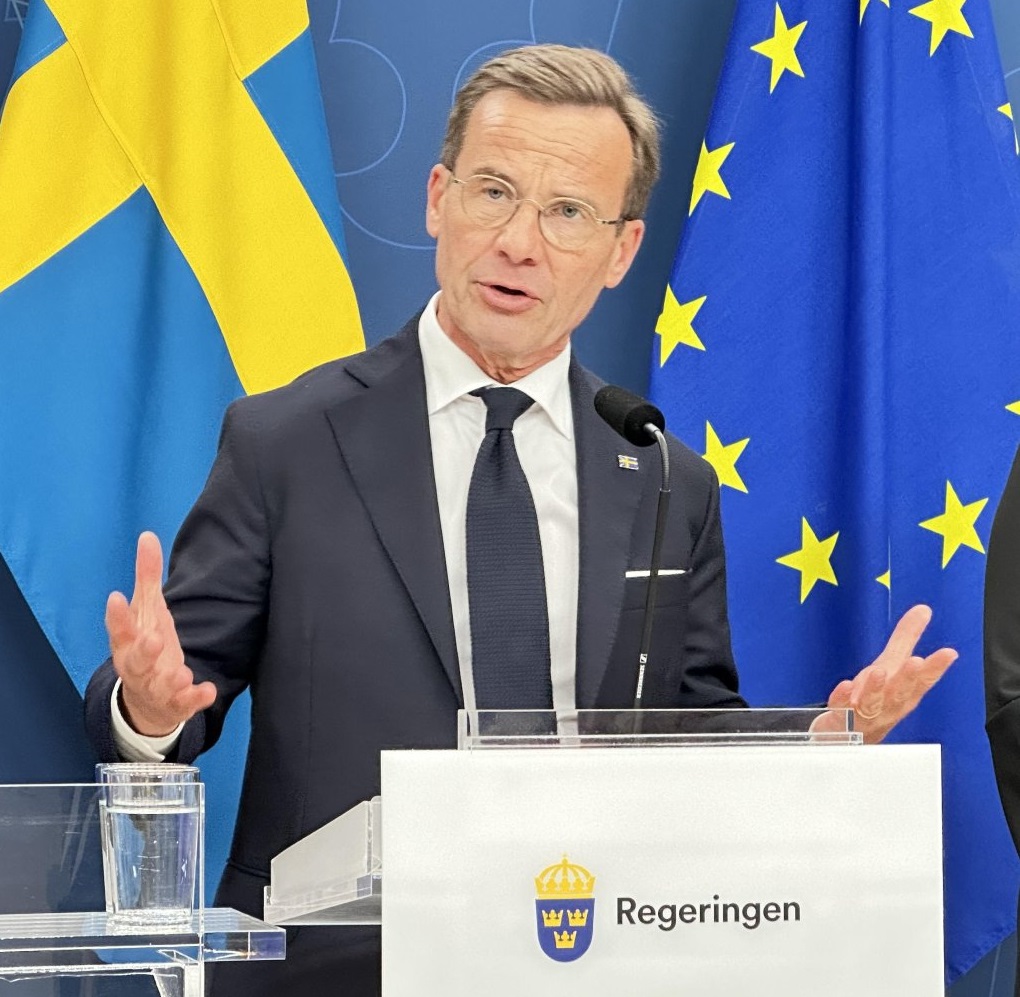
The European Union’s newly announced customs agreement with the United States—setting a baseline 15% import tariff on European goods—has sparked a wave of mixed reactions across the continent, with Sweden voicing strong concerns over its economic implications. Prime Minister Ulf Kristersson has reaffirmed Sweden’s long-standing commitment to free trade, emphasizing that lower tariffs remain central to the nation’s economic model.
Sweden’s Clear Stance: “Lower Tariffs, Better Growth”
Speaking to SVT Nyheter, Prime Minister Kristersson made Sweden’s position unequivocal:
“The Swedish view is crystal clear—the lower the tariffs, the better. For 150 years, we’ve learned that free trade is the foundation of prosperity and strong, competitive businesses.”
Despite the EU’s efforts to secure a deal, the agreement marks a significant shift from decades of increasingly open trade. While it averts a full-blown transatlantic trade war, many European leaders, including Sweden’s, see it as a compromise with steep economic costs.
Finance Minister Elisabeth Svantesson (Moderate Party) was more direct in her critique, calling the agreement “bad for the Swedish economy.”
“Higher tariffs lead to reduced demand, slower growth, and the risk of rising unemployment,” she told TT News Agency.
Still, Svantesson acknowledged a silver lining: predictability.
“An agreement provides clarity. Now we know the rules, and businesses can plan accordingly.”
Mixed Reactions Across Europe
Across the EU, political responses have been sharply divided.
- French Prime Minister François Bayrou condemned the deal in dramatic terms on X (formerly Twitter): “It is a dark day when an alliance of free peoples resigns itself to submission.”
- Alice Weidel, co-leader of Germany’s Alternative for Germany (AfD), labelled the agreement a “slap in the face” to European consumers and producers.
- Hungarian Prime Minister Viktor Orbán mocked EU Commission President Ursula von der Leyen, quipping that “Donald Trump ate her for breakfast.”
In contrast, leaders from Germany, Italy, the Netherlands, and Spain offered more measured responses—welcoming the avoidance of a trade war but expressing disappointment.
- German Chancellor Friedrich Merz: “Would have liked more relief.”
- Italian PM Giorgia Meloni: “Need to review the details.”
- Dutch PM Dick Schoof: “No tariffs would have been better, of course.”
- Spanish PM Pedro Sánchez: Accepts the deal, but “without enthusiasm.”
135,000 Swedish Jobs at Risk
The stakes for Sweden are particularly high. According to OECD data, exports to the US support over 135,000 jobs—more than any other single export market, even surpassing trade with Germany and Norway.
Michael Koch, head of the analysis unit at the Swedish College of Commerce, warned that higher tariffs could directly threaten employment.
“Higher tariffs mean lower exports—and that poses a real risk to jobs. The impact will vary by sector, but industries like pharmaceuticals, engineering, and automotive are most exposed.”
While there is talk of zero tariffs for pharmaceuticals, uncertainty remains over which companies will qualify. Meanwhile, the automotive sector appears to have received no special exemptions—a major blow for an industry central to Sweden’s export economy.
Export Decline Already Underway
New data from Statistics Sweden shows that the impact is already being felt. From January to May 2024, exports to the US were 8% lower compared to the same period last year.
In response, the Swedish Chamber of Commerce launched a “customs hotline” during the spring to help businesses navigate the shifting trade landscape.
“We’ve received many calls from worried entrepreneurs,” said a spokesperson. “Uncertainty has been the biggest challenge. While the agreement brings clarity, many questions remain.”
Avoiding Escalation: The Silver Lining
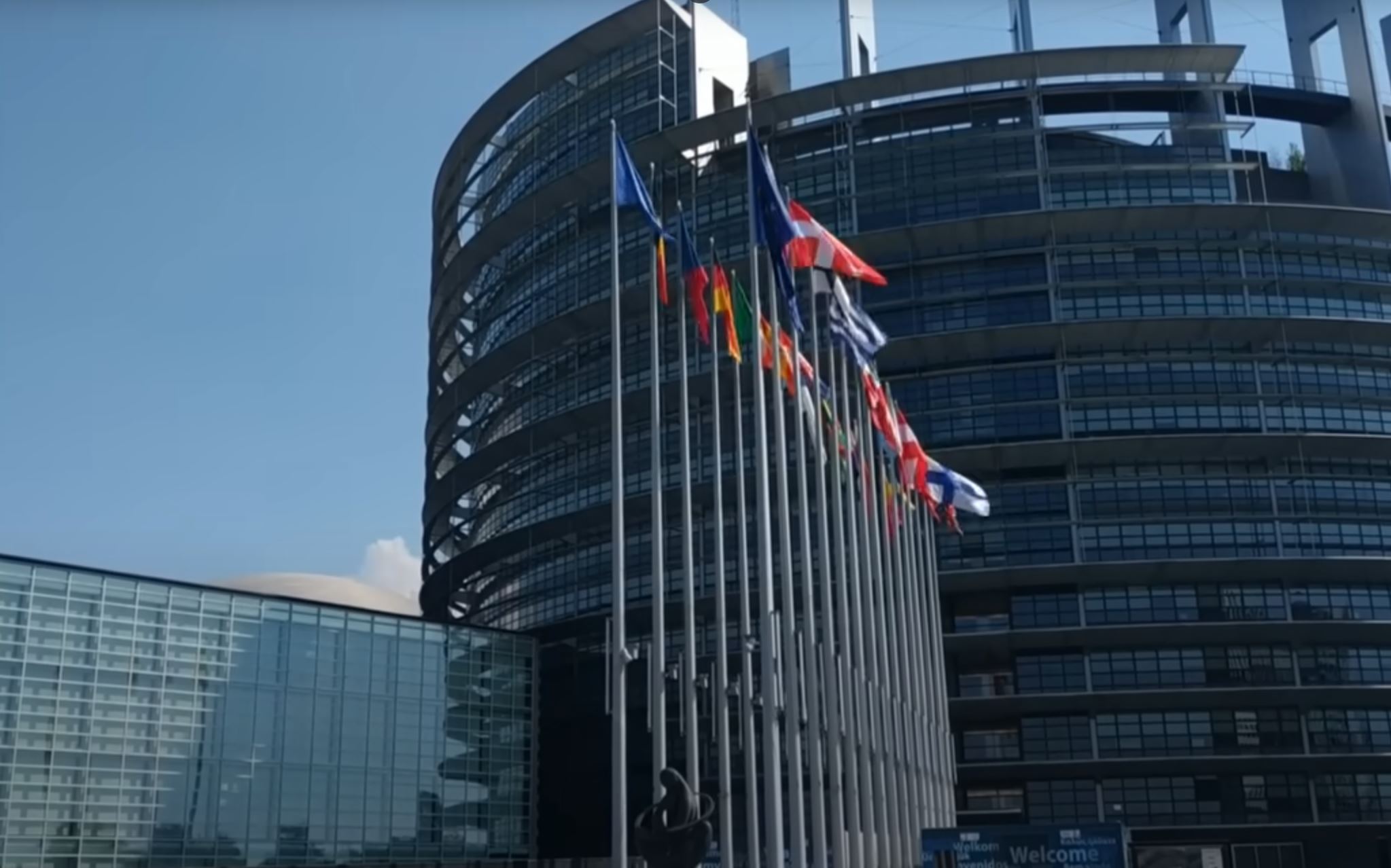
One key benefit of the deal, according to experts, is the avoidance of retaliatory tariffs from the EU. Michael Koch stressed that countermeasures could have hurt European importers and consumers alike.
“All economic models show that the US pays a heavy price when it raises tariffs. American companies and consumers end up paying more. But trade wars hurt everyone—so de-escalation matters.”
Looking Beyond the US: The Push for Diversification
To mitigate long-term risks, Koch emphasized the need for the EU—and Sweden—to diversify trade relationships.
“The EU is actively negotiating new free trade agreements with multiple countries. Reducing dependence on the US market is not just strategic—it’s essential for resilience.”
As global trade dynamics shift, Sweden’s commitment to open markets remains firm. But with protectionist winds rising, the path to prosperity may require new alliances, innovative strategies, and a renewed push for global free trade.
Stay tuned to the Nordic Business Journal for ongoing coverage of trade policy, economic trends, and their impact on Nordic and European business.