
Nordic countries continue to set the gold standard for road safety across Europe, with Norway and Sweden claiming the top two positions in the latest European Transport Safety Council (ETSC) analysis. The 2024 findings show that Norway recorded 21.4 road deaths per million inhabitants in 2023, while Sweden followed closely at 21.8 deaths per million—both figures comfortably below the EU27 average of 46 deaths per million.
Norway: Vision Zero in Action
Norway’s first-place ranking is the culmination of more than two decades of systematic safety reforms. Since adopting its own Vision Zero strategy in 1999—two years after Sweden introduced the concept—Norway has reduced fatalities by over 60 %. Key pillars include:
- Lower speed limits: The maximum motorway speed is capped at 110 km/h, the second-lowest among surveyed nations.
- Strict alcohol limits: A 0.2 g/l blood-alcohol concentration threshold, among the toughest in Europe.
- Automated enforcement: Average-speed cameras and section controls on high-risk corridors.
- Safer infrastructure: Roundabouts replace signalised junctions, and median barriers are standard on most rural dual-carriageways.
“The key is to design a system that forgives human error,” says Inger Lund, Director of the Norwegian Public Roads Administration. “We don’t just blame the driver; we engineer the environment so that mistakes don’t become fatalities.”
The Norwegian government has now set an even more ambitious interim target: fewer than 350 deaths and serious injuries annually by 2030.
Sweden: Vision Zero’s Global Flagship
Sweden pioneered Vision Zero in 1997 and has exported the philosophy to more than 30 countries worldwide. In 2024, Sweden recorded 213 road deaths, equivalent to 20 per million inhabitants—a 56 % reduction compared with the EU27 average.
What Sweden Gets Right
| Measure | Performance vs. EU Average |
|---|---|
| Seat-belt wearing (front) | 97 % vs. EU median 93 % |
| Child-restraint use | 98 % vs. 90 % |
| New-car safety rating | Average Euro NCAP score 5.4/5 vs. 4.9 |
| Speed compliance (urban 50 km/h) | 79 % vs. 60 % |
Infrastructure highlights include the world-famous 2+1 roads—three-lane rural highways with alternating passing lanes separated by cable barriers. The design has cut head-on collisions by 90 % since its introduction.
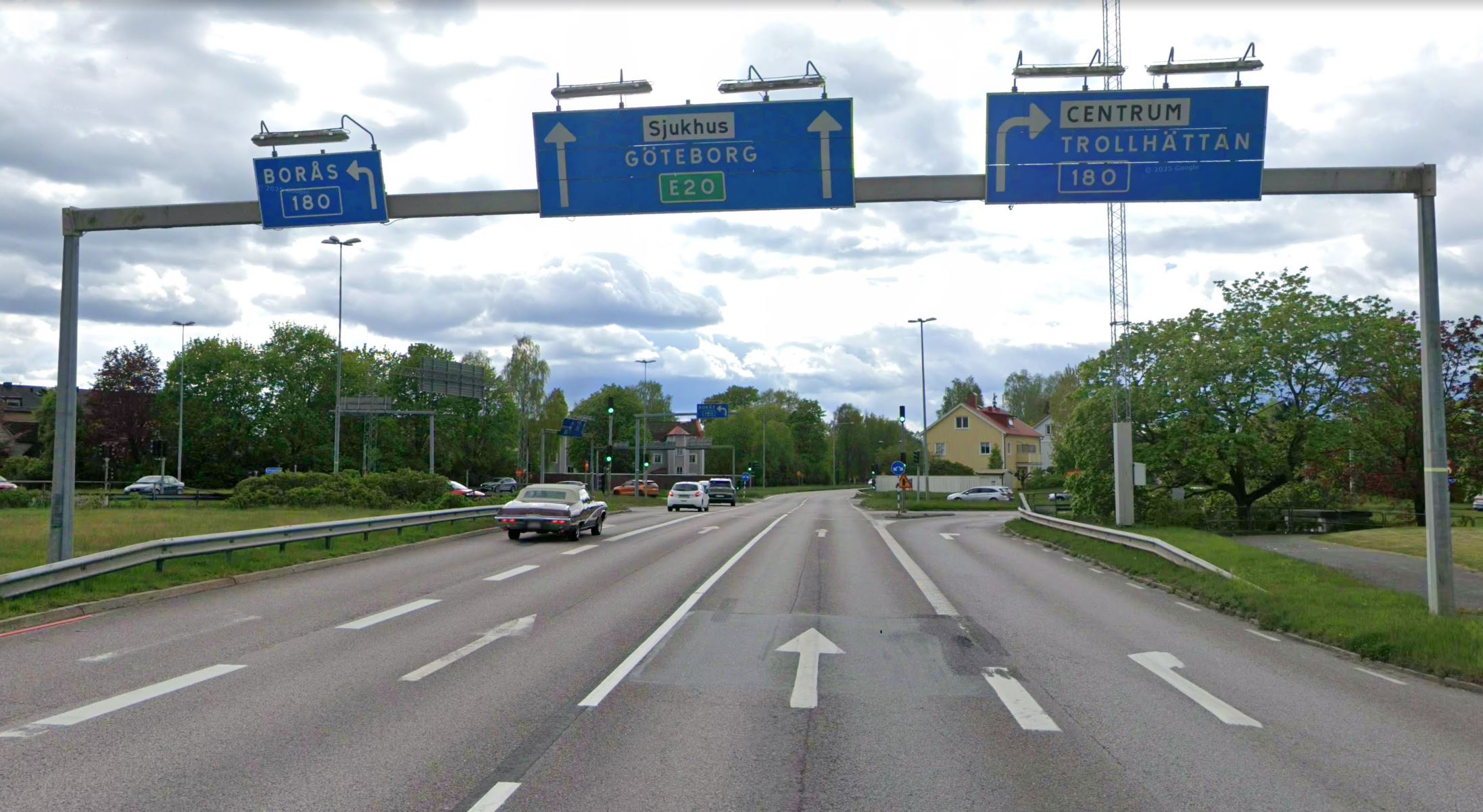
Sweden’s Transport Agency is now piloting geo-fenced speed limits in Stockholm and Gothenburg, where connected cars automatically adjust speed to posted limits in real time.
Business & Economic Implications
Safer roads translate directly into lower logistics costs and higher productivity:
- Insurance premiums for commercial fleets in Norway and Sweden are 20–25 % lower than the European median, according to Nordic insurance giant Tryg.
- Delivery reliability improves: Swedish haulage firm Einride reports 5 % fewer delays caused by accidents compared with its European average.
- Tourism boost: Road-trip operator Hurtigruten Svalbard cites Norway’s safety reputation as a “key selling point” for self-drive holiday packages, now up 12 % YoY.
What Other Nordic Countries Can Learn
While Denmark (4th) and Finland (8th) also placed in the top tier, their fatality rates are marginally higher. Analysts point to speed compliance gaps and winter-tyre legislation variations as improvement areas. Iceland, despite having the absolute lowest absolute death toll globally (2.05 per 100 000), was excluded from the European ranking due to its small population.
Looking Ahead: From Best-in-Class to Zero
Both Norway and Sweden are now focusing on next-generation challenges:
- E-scooters and micromobility: Stockholm will require geo-fencing for rental e-scooters by 2026, limiting speeds to 10 km/h on pavements.
- Autonomous vehicles: Norway’s E6 Arctic Highway will host Europe’s first Level 4 truck corridor trials in 2025, with safety drivers gradually phased out.
- Cross-border data sharing: The Nordic Road Safety Data Hub—set to launch in 2026—will pool real-time crash and traffic-flow data across Sweden, Norway, Denmark, and Finland.
“We no longer ask if we can reach zero deaths, but how fast,” says Maria Krafft, Director of Traffic Safety at the Swedish Transport Administration. “The Nordics are proving that zero is not a dream—it’s a deadline.”