
Oslo, Norway — In a powerful call to action echoing across classrooms and living rooms alike, Prime Minister Jonas Gahr Støre has declared a national mission to restore Norway’s standing as a global leader in children’s literacy. “Previously, Norwegian children were among the world’s best readers. But today, 15,000 Norwegian children finish primary school without being able to read well. This is serious. Norwegian children should once again be among the world’s best readers,” Støre declared during a high-profile press conference earlier this week.
The stark statistic — 15,000 children leaving primary education without adequate reading skills — has sent shockwaves through Norway’s education system and society at large. Once celebrated for its high literacy rates and student performance, Norway has seen a steady decline in reading proficiency in recent international assessments, including the Programme for International Student Assessment (PISA). The government’s new initiative, centered on a simple yet profound directive — 15 minutes of daily reading — aims to reverse this troubling trend.
A Nation at a Crossroads
For decades, Norway prided itself on an inclusive, high-quality education system that emphasized critical thinking, creativity, and strong foundational skills. Reading was not just a subject — it was a cornerstone of learning and personal development. But rising screen time, changing family dynamics, and shifts in teaching methods have contributed to a decline in reading habits among young people.
Recent data from the Norwegian Directorate for Education and Training (UDIR) shows that only 42% of 9th-grade students read daily for pleasure — a sharp drop from just a decade ago. At the same time, performance in national reading assessments has stagnated, with growing numbers of students struggling to comprehend even basic texts.
“Literacy is not just about decoding words on a page,” said Minister of Education Tonje Brenna. “It’s about understanding, empathy, and opportunity. A child who cannot read well is denied access to knowledge, to stories, and ultimately, to their full potential.”
The 15-Minute Solution
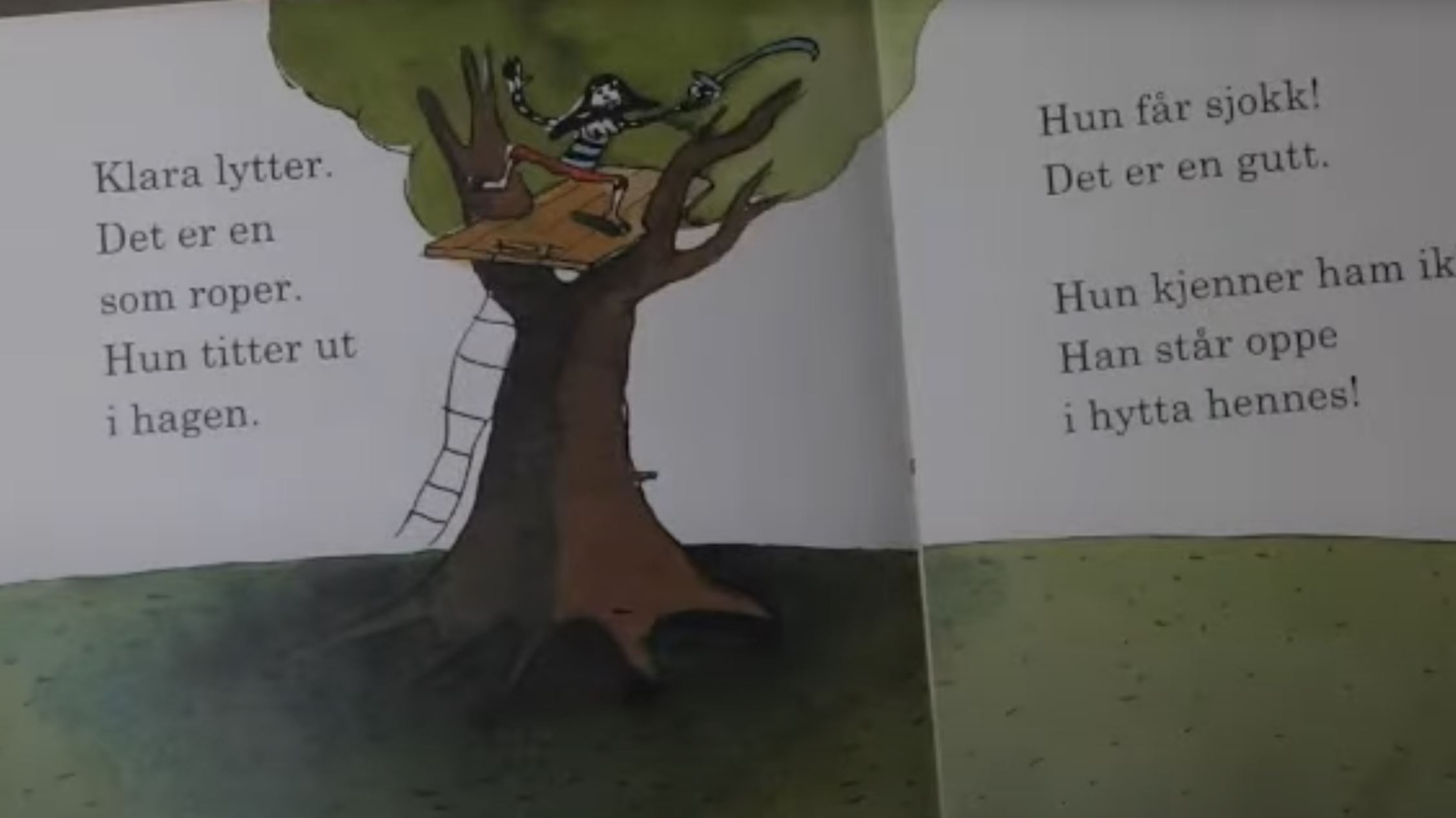
In response, the Norwegian government is launching a nationwide campaign: Les hver dag – Read Every Day. Starting this autumn, all primary schools will incorporate a dedicated 15-minute reading period into the daily schedule. During this time, students will read silently or aloud — fiction, non-fiction, graphic novels, poetry — anything that engages them, as long as it’s reading.
The initiative is not just about time, but about culture. Teachers will be trained to foster a love of reading, libraries will receive increased funding, and parents will be encouraged to participate through reading challenges and home activities. Public libraries, schools, and authors are uniting in a collaborative effort to make reading cool, accessible, and enjoyable.
“We’re not just teaching reading — we’re rebuilding a reading culture,” said Brenna. “Fifteen minutes a day may seem small, but over a school year, that’s nearly 60 hours of reading. Over six years of primary school, that’s over 350 hours — enough to transform a child’s life.”
Why 15 Minutes?
The number is not arbitrary. Research consistently shows that regular, sustained reading improves vocabulary, comprehension, focus, and emotional intelligence. A study by the Norwegian Reading Centre found that students who read for at least 15 minutes daily significantly outperform their peers in language and cognitive skills.
Moreover, the simplicity of the message — just 15 minutes — makes it achievable for every child, regardless of background. The government is also addressing equity by providing free books to low-income families and expanding access to digital reading platforms in remote areas.
A Call to Families and Communities
Prime Minister Støre emphasized that schools cannot do this alone. “Parents, grandparents, siblings — everyone has a role. Read with your children. Talk about books. Let them see you reading. A home where reading is valued is a home where learning thrives.”
The campaign includes public service announcements featuring popular Norwegian authors, athletes, and influencers sharing their favorite books. Local communities are organizing “reading nights,” and bookstores are offering discounts on children’s literature.
A Vision for the Future
Norway’s goal is clear: to return its children to the top tier of global readers. But beyond rankings, the initiative speaks to a deeper value — the belief that every child deserves the joy and power of reading.
As one 8th-grade student in Bergen put it, “I used to hate reading. But last week, I got so into a book about a girl surviving in the Arctic that I forgot to eat lunch. If 15 minutes can do that, maybe it’s worth it.”
With determination, collaboration, and a daily commitment to the written word, Norway is turning the page on a literacy crisis — and writing a new chapter of hope, one child, one book, one minute at a time.