
The latest wave of Russian missile and drone strikes on Ukraine has left at least 20 people dead and over 40 injured in one harrowing night, according to regional officials as of July 29, 2025. Most of the fatalities occurred in the Zaporizhzhia region, where 16 people were killed and 35 wounded, while additional deaths and injuries were reported in Dnipropetrovsk region. This surge in violence is not an isolated event but part of an escalating campaign that has pushed Ukrainian civilian casualties to record highs this summer.
Intensifying Attacks and Rising Civilian Body Counts
June and July 2025 have been the deadliest months for Ukrainian civilians in more than three years. June alone saw 232 Ukrainians killed and 1,343 injured, according to the United Nations. The Office of the UN High Commissioner for Human Rights (OHCHR) confirmed that at least 139 civilians have been killed and 791 injured in July so far, most victims of intensified missile and drone barrages that have come to typify the conflict’s new phase.
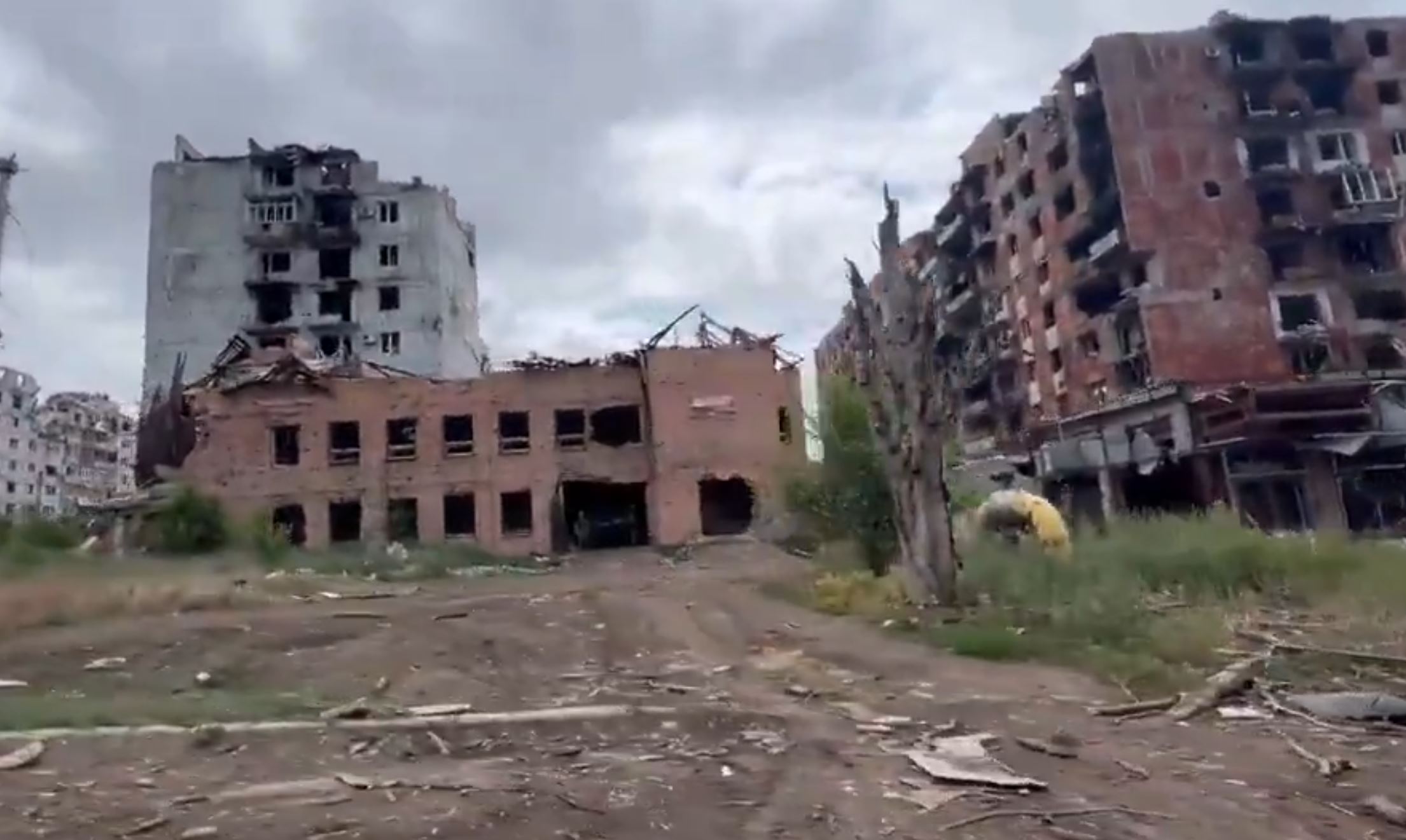
Russian forces have dramatically expanded the scope and frequency of aerial strikes, targeting not just front-line areas but also cities and towns far from active combat zones. In July, there were reports of nearly 600 Shahed-type drones launched in a single night and more than 700 long-range drone attacks in a 24-hour period. This unrelenting onslaught has damaged residential buildings, hospitals, schools, and critical infrastructure, leaving millions to shelter for hours in makeshift refuges, metros, and basements.
Economic and Social Fallout
Beyond the devastating human cost, the ripple effects of these attacks are felt across all sectors of Ukrainian business and society. Areas under attack often experience power outages, transportation gridlocks, and operational halts at factories and commercial hubs. The threat of sudden missile or drone strikes keeps investors hesitant and supply chains disrupted, deepening an economic crisis where unemployment and displacement are rampant.
The displacement figures remain staggering: more than 9 million Ukrainians, or about 21% of the pre-war population, have been forced from their homes. The humanitarian impact is compounded by the wave of destruction to social institutions and urban infrastructure, further constraining Ukraine’s long-term capacity for recovery and business resurgence.
Is There an End in Sight?
Despite mounting casualties and international calls for a ceasefire, the attacks show no sign of abating. Analysts point to Russia’s strategy of targeting civilian centres as an effort to erode Ukrainian morale and pressure the government into concessions. Yet, as the ground war drags into its fourth year and the bombing of cities intensifies, the end of wide-scale killing remains out of reach.
The question haunts the daily lives of Ukrainians and the conscience of global business leaders: How long will the killing continue? History suggests that as long as logistics, political interests, and strategic calculations Favor escalation over negotiation, the humanitarian tragedy will persist. Until meaningful diplomacy prevails, the true cost—measured in lost lives, shattered communities, and economic devastation—will only climb.
In Ukraine, the war is not just fought with soldiers and tanks; it is a battle waged with drone swarms over playgrounds, missiles crashing into hospitals, and millions of citizens trapped in a cycle of fear, loss, and resilience. As civilians search for shelter night after night, the pressing need for a lasting peace grows increasingly urgent for all who hope to rebuild and invest in Ukraine’s future.