
For two pivotal days, negotiators from the United States and China convened in Stockholm, their persistent tariff standoff casting a shadow over a global economy still seeking stability. When the meetings concluded Tuesday afternoon, one thing was clear: the world is witnessing a key chapter in the ever-evolving economic rivalry between two giants, and China appears to have the upper hand.
Background: High Stakes and Prolonged Tensions
This latest round of talks comes at a crucial moment. The previous 90-day truce on tariffs—agreed after intense Geneva and London meetings earlier this year—is set to expire on August 12. At stake: the risk of retaliatory levies snapping back to triple-digit peaks that once sent shockwaves through international markets. U.S. tariffs on Chinese goods had soared to as high as 145%, while China imposed up to 125% on American exports. A temporary detente had brought those figures down to 30% and 10%, respectively. But the threat of escalation looms large if a new agreement can’t be reached.
The history behind this trade chess match is extensive. China’s 2001 accession to the World Trade Organization (WTO) took 15 years of negotiation, much of it directly with Washington. Since then, U.S.-China trade has surged, but so has tension—escalating into a bruising tariff war that reshaped global supply chains.
Divided Messages, Uncertain Path
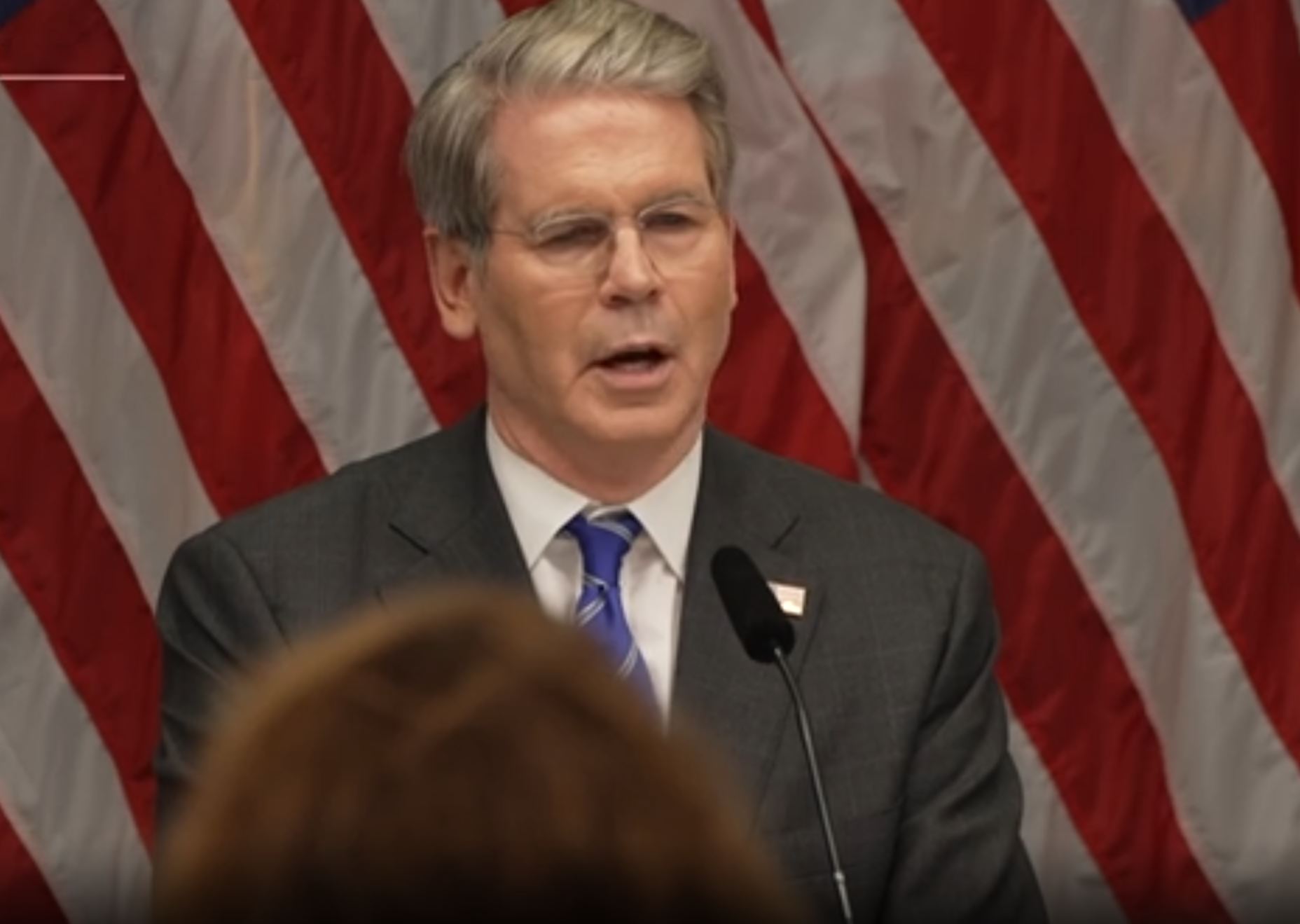
As the Stockholm talks wrapped up, the public statements from both sides could not have been more different. China’s Vice Minister of Commerce, Li Chenggang, signalled optimism, announcing that both countries had reached consensus on extending the tariff pause and would “communicate in a timely manner on trade and economic issues”. U.S. officials, however, were more reserved. Treasury Secretary Scott Bessent and Trade Representative Jamieson Greer emphasized that no final settlements were agreed, and stressed that any decision rests with President Trump—a clear signal of internal division and ongoing political calculation.
Reading Between the Lines: Expert Perspective
Independent China adviser Frédéric Cho, vice-chairman of the Sweden-China Trade Council, offers a unique lens on these developments. He points out that even lacking specifics, the mere continuation of dialogue sends a positive signal to jittery markets. But Cho also hints at Beijing’s strategic advantage:
“China is playing from a position of strength,” he observes. “They are the world’s largest trading nation and the No.1 partner for 150 or more countries. The U.S., by contrast, has moved towards a more isolationist posture—’America First’—and has seen its global alliances fray.”
Cho’s view is grounded in precedent. He notes that protracted negotiations and tactical patience have long characterized China’s approach to international trade. The drawn-out WTO entry saga and previous bilateral deals reveal a country comfortable waiting out its adversaries to achieve strategic aims.
What’s Next? A Wait for Details, and a Global Economy Holds Its Breath
Despite the mixed messaging, most analysts believe a further 90-day extension is the likely immediate outcome. That would—at least temporarily—prevent a new surge in tariffs and buy both sides time before a possible summit between President Xi Jinping and President Trump, anticipated in Korea later this year.
For now, the nature of the world’s most consequential trade relationship remains clouded by uncertainty, backstage manoeuvring, and the distinct possibility of another drawn-out negotiation period. Nevertheless, Beijing’s consistent messaging and pragmatic patience have given China a measurable edge—one that will reverberate through boardrooms and trading floors worldwide as this high-stakes chess game continues.