
Washington – With the clock ticking towards a self-imposed deadline of 12:01 a.m. ET on August 1, President Donald Trump is poised to unleash a new wave of tariffs on major trading partners, even as questions swirl over whether his administration is reneging on recent agreements, including a deal struck just days ago with the European Union.
In a flurry of last-minute negotiations, Trump’s team has claimed breakthroughs with countries including Japan, South Korea, Thailand, Pakistan, and Cambodia, securing lower tariff rates in exchange for concessions. However, the EU, which last week agreed to a reduced reciprocal tariff rate of 15%—down from an initially threatened 30%—now finds itself once again in the crosshairs, as the White House has yet to release official documentation formalizing the deal.
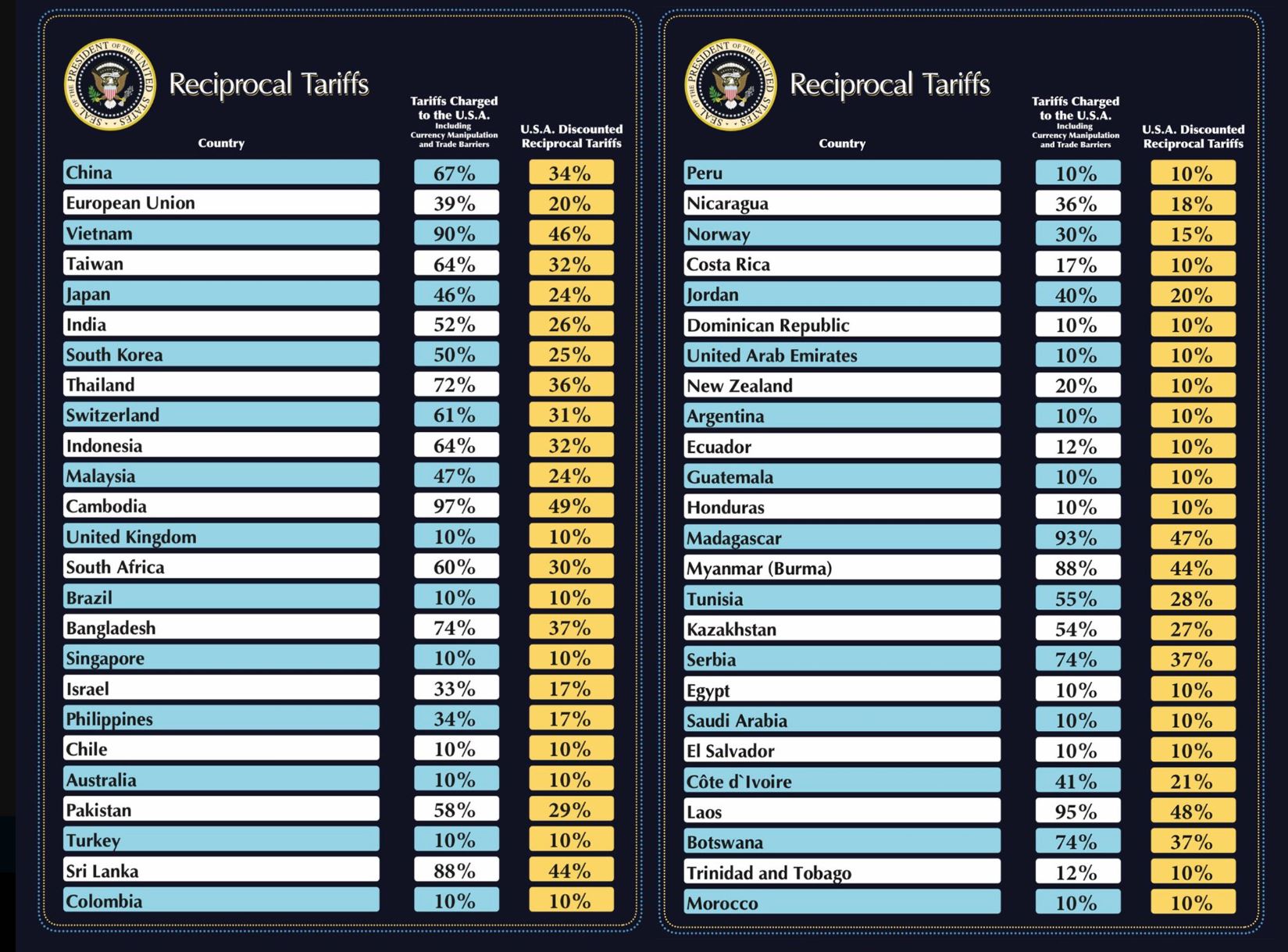
From 10% to 20%: The Escalating Baseline
Since April 5, a 10% universal tariff has been in effect on most imports under Trump’s invocation of the International Emergency Economic Powers Act (IEEPA). But as the August 1 deadline approached, Trump signalled his intent to raise the baseline rate to 15–20%, with country-specific “reciprocal” tariffs for those with large trade deficits.
- Brazil now faces a 50% tariff, up from previous levels, effective August 1.
- Canada and Mexico, despite being USMCA partners, are contending with 25–35% rates on non-compliant goods.
- India is under threat of 25% tariffs, with Trump citing its trade barriers and energy ties to Russia.
EU Deal: A Temporary Reprieve?
While the EU appeared to dodge the worst of the tariffs after negotiating a 15% rate, the absence of finalized paperwork has sparked fears that Brussels could still face the original 30% threat. EU officials, however, have remained publicly optimistic, emphasizing their willingness to continue talks.
Legal and Economic Backlash
The tariff spree has triggered a legal showdown, with a federal appeals court reviewing whether Trump’s use of IEEPA oversteps presidential authority . Economists warn the measures could raise U.S. consumer prices and slow GDP growth, with J.P. Morgan estimating an effective tariff rate nearing 17% if all threats materialize.
What’s Next?
As the deadline looms, China remains a wildcard, with negotiations ongoing in Stockholm over rare-earth magnet exports and market access. Meanwhile, Mexico has secured a 90-day pause on further hikes, contingent on continued talks.
Trump, undeterred, doubled down on Truth Social: “Tariffs make America great and rich again.” Whether the EU deal holds—or becomes the next casualty—may depend on what happens when the clock strikes midnight.