
August 1, 2025 | Washington, D.C. — President Donald Trump signed a sweeping executive order late Wednesday imposing new tariffs on imports from nearly 70 countries, marking a dramatic escalation in his administration’s push to remake the global trade system.
The new framework, which takes effect August 7, imposes country-specific tariffs ranging from 10% to 41%, replacing the earlier “Liberation Day” system that had set a blanket 10% rate on all imports. The move underscores Trump’s willingness to override decades of bipartisan consensus on trade policy in favour of unilateral leverage.
“This is a trade realignment,” Trump said in a press briefing. “We’re not going to let foreign nations rip off American workers anymore.”
From 10% Uniform Rate to a Tiered System
Under the new system, all countries now face either a baseline 10% tariff or a higher, negotiated country rate based on the U.S. trade deficit with that nation and the status of ongoing negotiations. Countries that failed to reach deals by the July 31 deadline were hit with higher rates, while those that struck agreements—including the European Union, Japan, and South Korea—secured lower levels, generally between 15% and 20%.
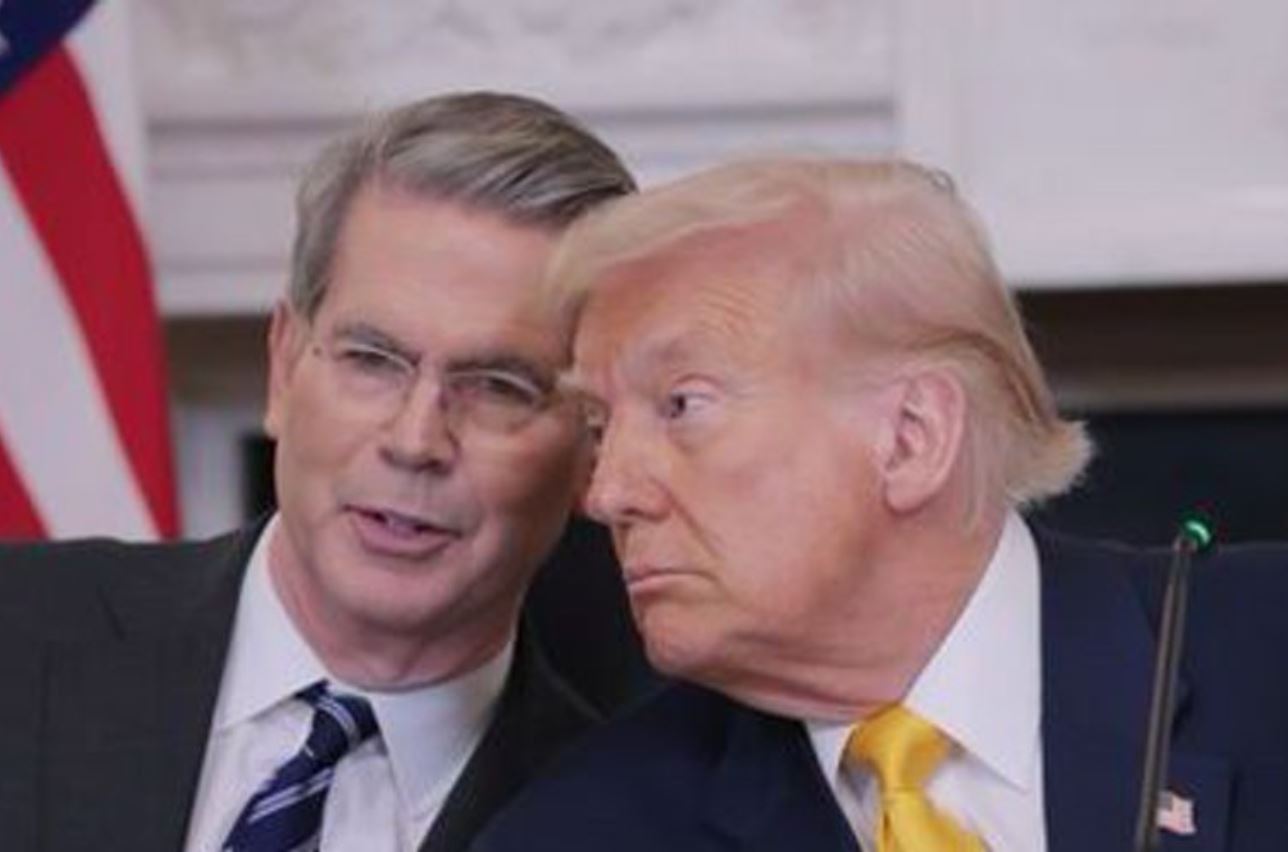
Notably, Canada saw tariffs rise from 25% to 35%, reflecting U.S. frustration over drug enforcement cooperation. Brazil faces the highest penalties, with some goods tariffed at 50%, stemming from disputes over digital policy and legal reciprocity. Nations like Syria, Myanmar, and Laos were hit with maximum rates of 41%, citing human rights violations and lack of trade transparency.
Key Tariff Rates
| Country | New Tariff Rate |
| Canada | 35% |
| India | 25% |
| Taiwan | 20% |
| Switzerland | 39% |
| Brazil | Up to 50% |
| Philippines | 19% |
| Vietnam | 20% (plus 40% on transshipped goods) |
| Australia | 10% (baseline) |
| New Zealand | 15% |
Business Fallout and Legal Uncertainty
The announcement sent shockwaves through global markets and supply chains. Multinationals are scrambling to assess the financial impact, while customs brokers prepare for massive logistical updates. A one-week grace period was included to allow time for system adjustments before enforcement begins.
Legal analysts warn the move could ignite another round of litigation. A federal court recently ruled that the “Liberation Day” tariffs exceeded presidential authority under the International Emergency Economic Powers Act (IEEPA). The administration argues the new order falls under the same emergency framework, setting up a likely legal clash.
A High-Stakes Gamble
Trump’s team calls this a “Trump round” of global trade renegotiation—putting pressure on countries to come to the table fast or face steep tariffs. The White House has framed it as a bid to correct chronic trade imbalances and reclaim domestic manufacturing.
Critics, however, argue the move will raise costs for U.S. consumers and businesses, risk retaliation abroad, and strain diplomatic ties.
“This is not trade policy—it’s extortion,” said one senior EU trade official. “And it will be remembered.”
With the clock ticking toward the August 7 deadline, dozens of countries are still in talks with Washington. But for now, the message is clear: Trump’s trade war is no longer hypothetical. It’s here—and it’s global.
Contact the reporter: If you’d like a breakdown of the tariffs by sector or region, or access to the full executive order, reach out directly.