
The Finnish government’s proposal to slash state support for shipping by the equivalent of 400 million kronor has rocked the maritime sector. Viking Line, the iconic operator linking Finland and Sweden, has voiced sharp criticism—warning that it might be forced to reflag its fleet under Swedish colours, with wide-ranging consequences for both countries.
Viking Line’s CEO has not minced words about the threat posed by Helsinki’s plan. The company, which currently has most of its ships registered in Finland, would see its profitability and hundreds of Finnish jobs directly endangered if the cuts proceed. “Transferring to Sweden would be an obvious option, after which [our] taxes would be paid there,” Viking Line’s leadership stated, highlighting both the fiscal and employment risks for Finland.
Several factors drive this dilemma:
- Dependence on State Aid: The Finnish shipping sector—including Viking Line—has long relied on state support to offset high labour and operating costs. In recent years, environmental and operational subsidies have accounted for tens of millions of euros annually for the company.
- Competitive Disadvantage: Viking Line estimates it could lose nearly €13 million should the Finnish government implement the planned subsidy cuts, while rivals, many operating under Swedish or Estonian flags, enjoy lower costs due to more favourable regulatory and taxation regimes.
- Reflagging in Practice: Viking Line recently reflagged its Cinderella vessel to Finland, showing how quickly flags and workforce nationalities can shift in response to regulatory changes. Should a reverse scenario happen, current Finnish jobs could move to Sweden, along with tax revenues and registration fees.
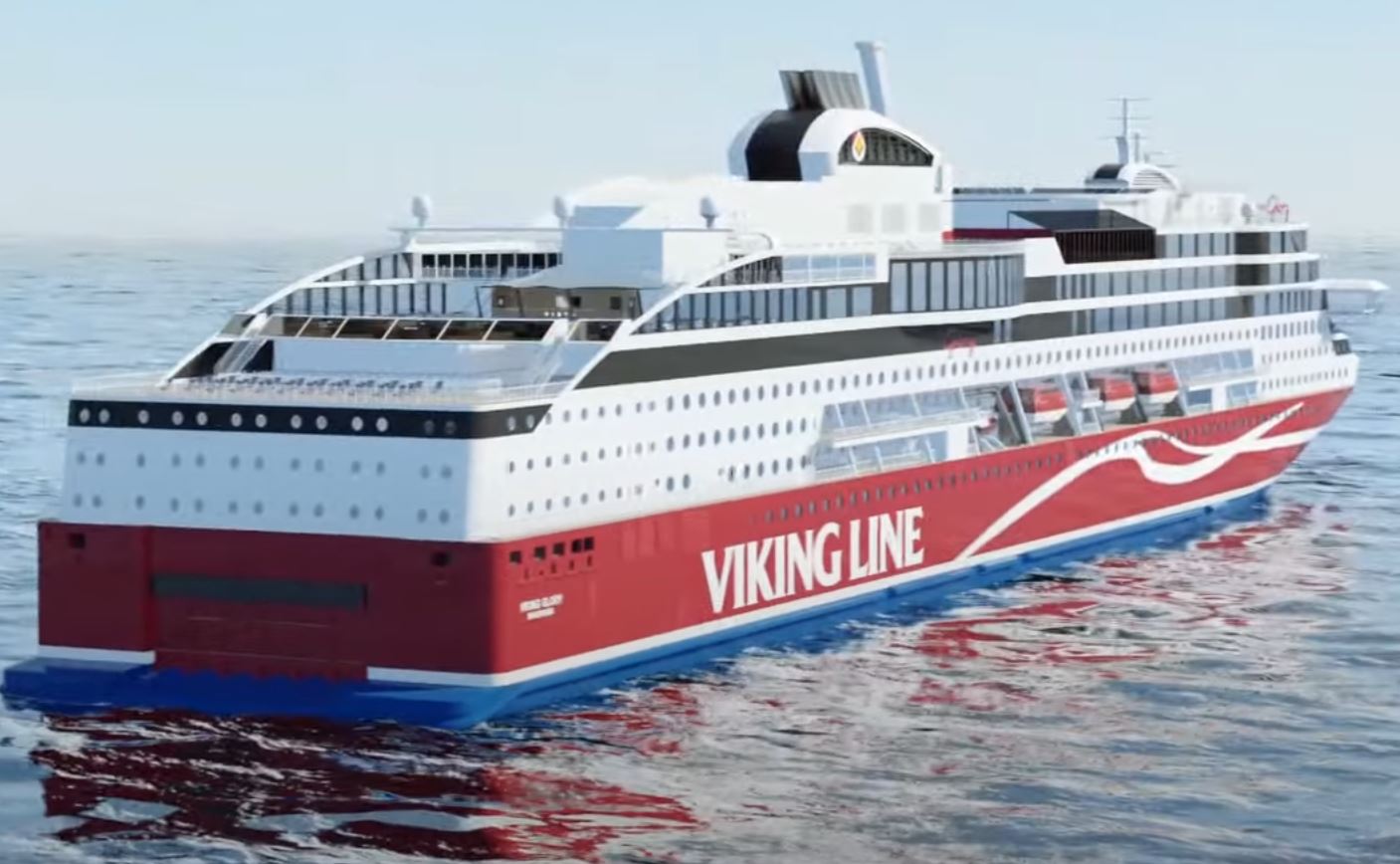
If Viking Line reflags its vessels to Sweden, consequences would cascade:
For Finland:
- Loss of Jobs: Maritime employment would shrink, particularly in crew and servicing roles currently governed by Finnish collective agreements.
- Reduced Tax Revenue: With vessels paying taxes and registration fees to Sweden, Finland would forfeit a steady income stream.
- National Security & Supply: The Finnish Shipowners’ Association stresses that each vessel under the Finnish flag “enhances the competitiveness of Finland’s maritime transport industry, boosts employment, and strengthens national security of supply”.
For Sweden:
- Economic Gain: A successful reflagging would mean more tax income and jobs tied to Swedish agreements.
- Maritime Industry Boost: Sweden’s merchant shipping industry, which has shrunk in recent years compared to Finland, could see a revitalization, especially if incoming ships are used for export-heavy routes.
However, the move is not without disadvantages for Sweden:
- Labor Issues: Integration of new crews could create tension with existing unions and wage systems, especially if standards differ between countries.
- Regulatory Uncertainty: Sweden is still catching up with Finland on tonnage tax schemes and may face additional policy adjustments if there is an influx of reflagged vessels.
Both nations are heavily reliant on maritime corridors for their exports—90% for Finland and 70% for Sweden. Any large-scale transfer of shipping operations across the Baltic would significantly affect trade flows, job markets, and regional economic stability.
The Finnish government’s decision thus holds far-reaching implications, testing whether cost-cutting measures ultimately risk sacrificing core elements of national infrastructure and industry for perceived short-term gain. As negotiations continue, the future flag flying over Viking Line’s famous fleet will signal much more than a mere change in registry—it will mark a shift in the economic tide for the entire Nordic region.