
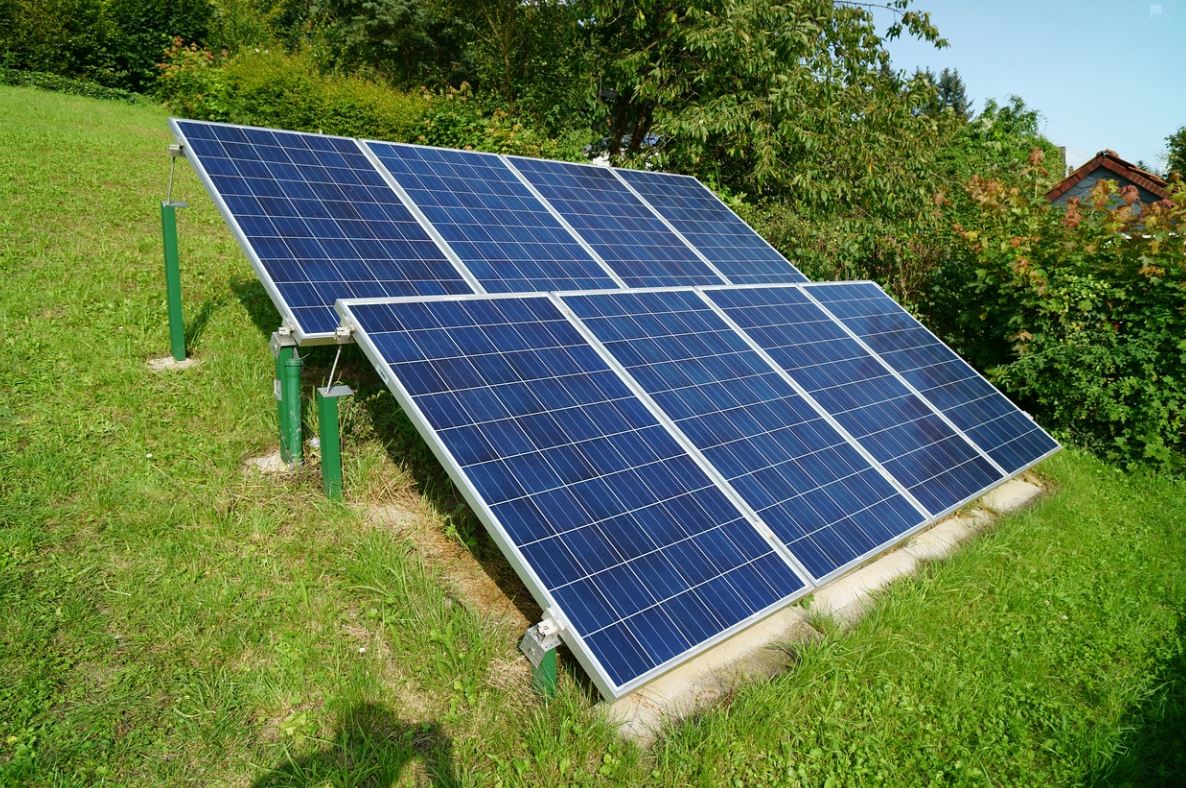
Copenhagen, August 2025 — On a breezy afternoon last month, the spot price of electricity in western Denmark plunged to minus €87 per megawatt-hour. For six consecutive hours, power plants effectively paid the grid to take their electricity. The culprit? Clear skies, a glut of rooftop panels, and a national solar fleet that now produces more electricity than the country can consume at noon on a sunny day.
Denmark, once celebrated as the land of 100 % green electricity targets, has stumbled into a paradox: it is literally drowning in “free” power—and the flood is only getting deeper.
Record Sun, Record Pain
According to Montel Analytics, Denmark’s DK1 bidding zone logged 326 hours of negative prices in the first half of 2025 alone, a three-fold jump from the same period two years ago. On July 17, the consultancy predicted that the third quarter would set an all-European record for below-zero pricing as solar output keeps climbing while demand growth lags.
“Continued renewables expansion without a commensurate increase in underlying demand means negative prices will become the new normal,” warns Jean-Paul Harreman, director at Montel.
The numbers are striking:
- Solar generation across Europe hit 104.4 TWh in Q2 2025, up 20 % year-on-year.
- Denmark’s own rooftop and utility-scale PV fleet has quadrupled since 2022 as developers raced to meet the 2030 goal of adding 50 TWh from solar and onshore wind.
- Yet only 15–20 % of Danish society is electrified so far; gas boilers still outnumber heat pumps, and trucks still run on diesel.
The upshot: at lunchtime on a bright July day, supply outstrips demand by as much as 60 %, sending prices crashing.
When “Too Much” Becomes a Crisis
Negative prices are not just a spreadsheet curiosity—they threaten the economic viability of the very assets Denmark needs to reach net-zero.
“Every hour below zero eats into project revenues,” says Rasmus Kjær, CEO of Better Energy, which in September delayed a 3 GW solar portfolio citing “lagging demand and unsustainable price patterns”.
Investors are beginning to ask: why build more panels if the market routinely values their output at less than zero?
Enter the Giant Battery Cavalry
If the problem is too much electricity at the wrong time, the logical fix is to store the surplus and release it later. Until recently, Denmark’s grid-scale storage was almost non-existent—its largest lithium-ion unit is a modest 2.3 MWh pilot by Vestas.
That is changing fast.
Molten Salt Monsters
In April, Danish-German startup Hyme Energy inaugurated the world’s first molten hydroxide salt battery in Esbjerg. The 1 GWh facility—enough to power 100,000 homes for ten hours—heats industrial-grade salt to 600 °C, stores the thermal energy for up to two weeks, and converts it back to electricity or industrial steam at 80–90 % round-trip efficiency.
A 200 MWh commercial plant is now under construction in Holstebro, where dairy giant Arla expects annual savings of €3 million by soaking up cheap midday solar and running its production lines on stored heat after sunset.
From Tanks to Islands
The molten-salt breakthrough is only one pillar of Denmark’s new “store-it-or-sink-it” strategy:
- Energy Islands: The 10 GW North Sea artificial island, due online in 2035, will host multi-gigawatt pumped-hydro caverns carved into the seabed.
- Power-to-X: Surplus solar is being converted into green hydrogen in Esbjerg and Aalborg, creating a chemical battery that can fuel trucks, ships and airplanes.
- Behind-the-meter boom: A reform passed in June removes the electricity tax on household batteries, triggering a rush by installers such as Tesla and Sonnen.
From Glut to Grid Flexibility
Grid operator Energinet is rewriting market rules to reward flexibility. From 2026, new solar and wind farms must include co-located storage sized at 20 % of peak capacity, or sign long-term flexibility contracts. A new counter-trade platform already lets batteries, heat pumps and even supermarkets bid to soak up excess power in real time.
The early results are encouraging. During the most recent negative-price episode on August 2, a cluster of 50 MW / 200 MWh batteries absorbed 37 % of the surplus in DK1, shaving the price back to zero within 90 minutes.
“The Sun Was Never the Problem”
Back in Esbjerg, Hyme CEO Ask Emil Løvschall-Jensen stands beside a glowing red salt tank the size of a shipping container. “The sun was never the problem,” he grins. “We just needed a very big thermos.”
If Denmark’s battery gamble pays off, it will have turned an oversupply crisis into a masterclass in 21st-century power system design—one that the rest of Europe, soon to face the same solar tsunami, will be watching closely.
For now, Danish consumers can bask in the surreal luxury of free daylight electricity, confident that giant batteries are standing by to keep the lights on after dark.
Key Numbers
- 326 hours of negative prices in DK1, H1 2025
- 1 GWh capacity of Denmark’s first molten-salt battery
- €87/MWh lowest recorded spot price, July 2025
- 20 % storage requirement for new renewable plants from 2026
Reporting by: Tashia Dorothy for Ganileys Solution, Nordic Business Journal, Copenhagen Bureau