
København, 8 August 2025 – A new report released today by the United Nations Food and Agriculture Organization (FAO) has delivered a sobering jolt to anyone hoping for relief at the supermarket till.
The FAO Food Price Index—a bell-wether for world-market costs of cereals, meat, dairy, sugar and vegetable oils—rose 1.6 % in July alone and now stands at its highest level since the summer of 2023. Compared with July 2024, the index is up a sharp 8 %, signalling that the global food inflation that has lifted Danish grocery prices by 30 % since 2021 is far from over.
The hardest-hit shelf: vegetable oils
Within the index, vegetable oil prices surged 7.1 % month-on-month, driven by palm, soy and sunflower oils. Rapeseed oil bucked the trend, slipping slightly, but the overall spike is expected to ripple through everything from margarine to ready-meals. Meat prices also continued their ascent, albeit at a slower clip, while dairy, grains and sugar managed modest declines.
From commodity markets to Danish baskets
Although the FAO index tracks raw-material prices—not the final price tag at Netto, Føtex or Irma—economists warn that the pass-through is inevitable. “Global prices keep marching upward, so Danish consumers should not bank on cheaper groceries any time soon,” Jeppe Juul Borre, chief economist at Arbejdernes Landsbank, told Magasinet Finans.
Statistics Denmark’s latest business-tendency survey, released last week, backs him up: only 6 % of food retailers expect to cut prices over the next three months; 11 % foresee further increases, and the overwhelming majority predict stability. “In other words,” Borre notes, “we are stuck on a plateau rather than heading downhill.”
What the numbers feel like at the till
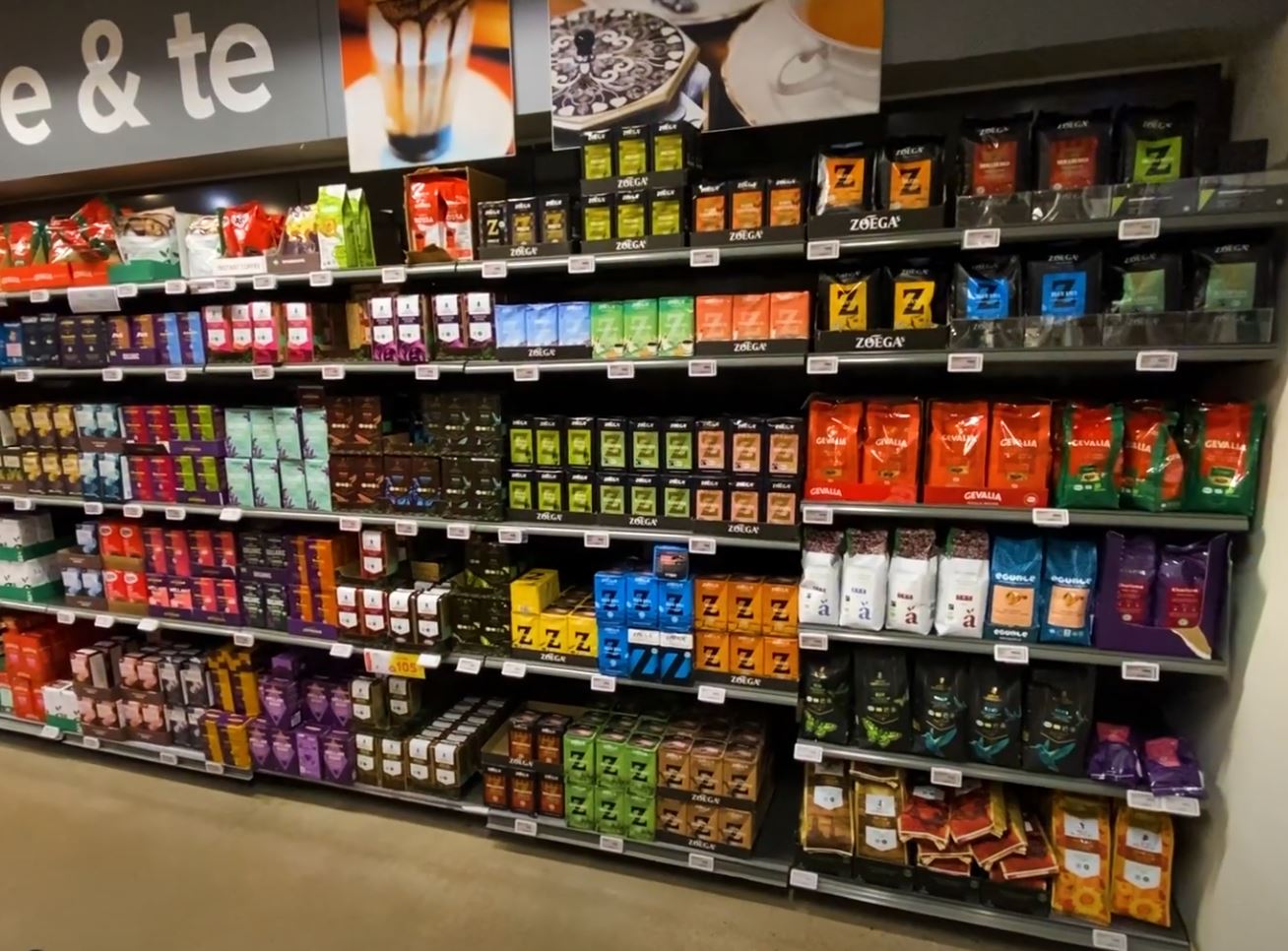
For shoppers, the arithmetic is stark. A basket costing 500 kr in mid-2021 now rings up at roughly 650 kr. Coffee jumped two kroner overnight at several chains last month; minced beef has cleared the psychological 50-kr barrier in most stores; and budget vegetable oil—once the poster child of every discount flyer—has climbed by double digits since spring.
Why prices refuse to fall
A confluence of factors keeps the pressure on: drought in Southeast Asia has tightened palm-oil supplies; strong Chinese import demand is propping up soy; and lingering disruptions in the Red Sea have added freight surcharges to every litre of sunflower oil leaving the Black Sea. Meanwhile, the European Union’s new deforestation rules and higher energy tariffs on processing plants have pushed up fixed costs that supermarkets cannot easily absorb.
Next data drop: Monday
Danish households will get a clearer snapshot of the domestic impact on Monday, when Statistics Denmark releases July’s consumer-price index. Until then, economists advise shoppers to keep an eye on promotions and consider switching to frozen vegetables or store brands—small moves that, at least for now, may be the only way to fight back against the global tide.