
The Swedish Armed Forces are undergoing a transformative upgrade of their surveillance and early warning systems, building a cutting-edge radar and sensor network that will triple Sweden’s current capability to detect and respond to threats from the sea, air, and even space.
A Multi-Billion Kronor National Security Leap
Under the leadership of the Swedish Defence Materiel Administration (FMV), Sweden is investing at least 10 billion kronor (multi-billion SEK) in a comprehensive program to replace outdated radar systems from the 1980s. This new surveillance network is being constructed at an accelerated pace, compressing what would normally take up to four years into just one, with the first elements set for delivery and operational readiness as soon as 2026.
Five Layers of Advanced Surveillance
This next-generation network comprises five distinct layers, each equipped with specialized radars that cover overlapping short, medium, and ultra-long ranges:
- Coastal Radar: Already operational, this system covers the shortest range and excels at tracking ships and low-flying objects, including unmanned aerial vehicles (drones).
- Medium and Long-Range Radars: These systems—such as Saab’s Giraffe 4A and Thales’ Ground Master 200—will detect and track advanced airborne threats like cruise and hypersonic missiles at distances of up to 500-1,000km.
- Ultra-Long-Range and Space Surveillance: Lockheed Martin’s TPY-4 radar, capable of monitoring targets up to 2,000km away, will give Sweden the capacity to detect ballistic missiles and low-orbit satellites—extending coverage far beyond the Baltic Sea.
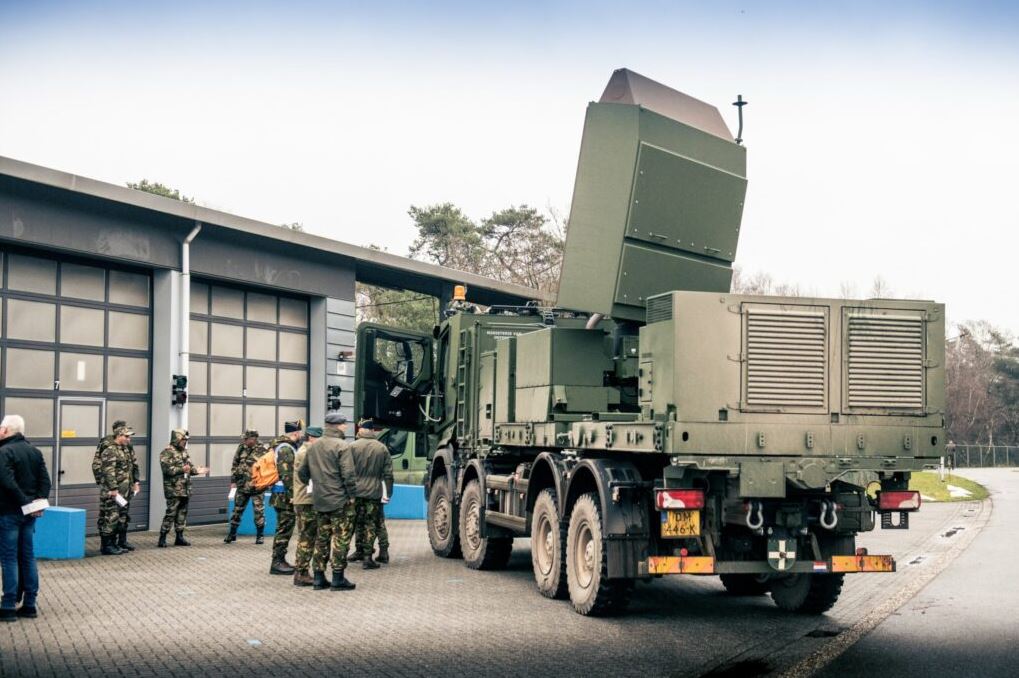
Responding to Modern Threats
Driven in part by lessons learned from the war in Ukraine, which highlighted the critical need for fast and accurate early warning, Sweden prioritized this radar overhaul to counter threats that include ballistic and hypersonic missiles, cruise missiles, drones, and those from space. This networked system will not only serve national defence but allow real-time sharing of threat data with NATO allies, reinforcing regional security and Sweden’s position within the alliance.
Civilian and Military Benefits
The extensive, layered approach ensures that decision-makers receive faster and more precise information for deploying air or naval assets. Just as important, it enhances the ability to deliver timely warnings to the civilian population in case of incoming threats, thereby improving overall national resilience.
Implementation & Cost
- Four major procurement contracts have been signed, pushing the project into high gear and “saving at least three to four years” according to FMV officials.
- The exact total cost remains classified to avoid revealing system quantities, but it is confirmed to be in the multi-billion kronor range.
Conclusion
Sweden’s new multi-layer radar network is set to be a state-of-the-art shield, providing unmatched surveillance, early warning, and interoperability with NATO. This ambitious project marks one of the most significant upgrades in Swedish defence technology in decades—making the nation better prepared for the rapidly evolving nature of modern threats.