
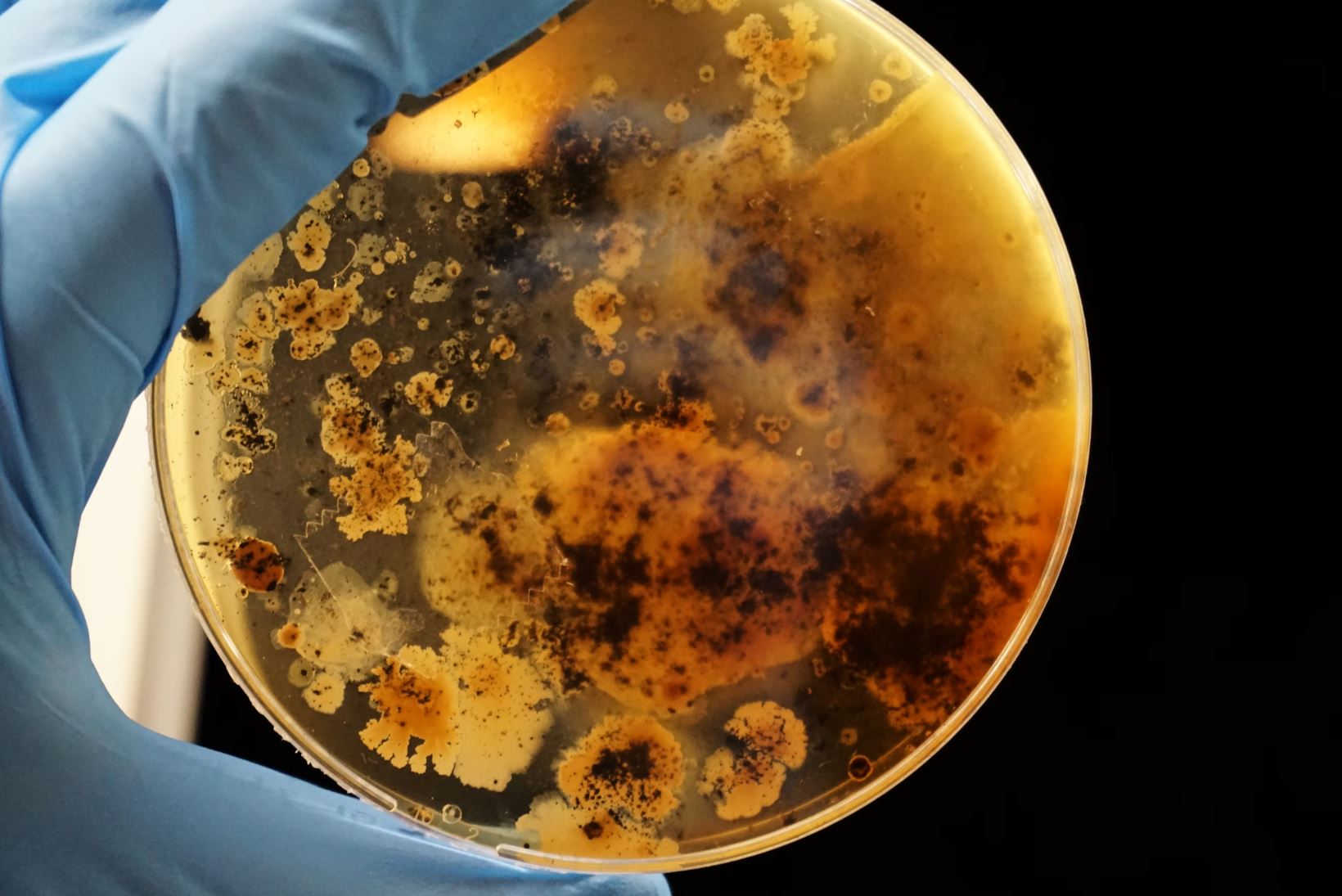
Antibiotic resistance is often described as the “silent pandemic,” steadily spreading across the globe and posing a growing threat to public health. As more bacteria become resistant to existing antibiotics, common infections such as pneumonia and meningitis risk becoming untreatable—a scenario predicted to result in millions of deaths each year by 2050, potentially surpassing cancer as a leading cause of mortality.
Researchers at Karolinska Institutet, led by associate professor Federico Iovino, have made a significant breakthrough that could change the fight against antibiotic-resistant bacteria. Their latest study introduces an innovative solution: combining antibiotics with endolysin, a special enzyme derived from viruses known as bacteriophages that attack bacteria.
How Endolysins Work
Endolysins are hydrolase enzymes that target and break down the bacterial cell wall, causing the bacteria to die rapidly. Unlike traditional antibiotics, endolysins are highly specific to their target bacteria, and they do not harm the beneficial microbiota in the body. Importantly, bacteria develop resistance to endolysins much more slowly, making them a promising weapon in the battle against multidrug-resistant strains.
Restoring the Power of Antibiotics
In experiments with mice infected with penicillin-resistant Streptococcus pneumoniae (pneumococci)—the bacteria responsible for diseases like meningitis—the combination of antibiotics and endolysin resulted in complete recovery. The treated animals showed no symptoms, an outcome that left the researchers elated. Endolysin effectively restores the antibacterial power of antibiotics, even when pathogens have developed resistance.
Reaching the Brain, Saving Lives
A critical challenge in treating meningitis is getting antibiotics to cross the blood-brain barrier in time to prevent neurological damage or death. The new approach demonstrated that endolysin can penetrate the brain within hours, allowing effective and timely treatment of brain infections. This opens new possibilities for managing severe cases where speed is essential.
Looking Ahead
The next step for the Karolinska Institutet team is to broaden their research, testing endolysin’s potential against a wider range of antibiotic-resistant bacteria. Their success with pneumococci provides hope that this method could one day vastly improve outcomes for patients battling resistant infections.
About Pneumococci
Pneumococci (Streptococcus pneumoniae) are bacteria that can cause a host of illnesses, including pneumonia, sinusitis, ear infections, and meningitis. Resistance among these bacteria is an urgent concern, particularly for vulnerable populations.
In Summary:
The combination of antibiotics and endolysin represents a major advance in overcoming antibiotic resistance. If clinical trials validate these findings in humans, this method could restore the effectiveness of existing antibiotics and provide a crucial tool for containing the silent pandemic.