
In early August 2025, an Israeli airstrike in Gaza killed several Al Jazeera journalists. The incident drew sharp condemnation from the UN human-rights office and major press-freedom groups, which called it a possible grave breach of international humanitarian law and demanded independent investigations.
The strike
The attack took place near al-Shifa Hospital in Gaza City on 10–11 August 2025. Al Jazeera confirmed that reporter Anas al-Sharif and multiple colleagues were killed. Gaza authorities named others who died at the same site.
The Israel defence Forces said the strike targeted a “Hamas terrorist” allegedly posing as a journalist, insisting it strikes militants, not members of the press. Al Jazeera and Gaza officials denied these claims, saying the victims were clearly performing journalistic duties.
The international reaction
The UN human-rights office and the High Commissioner for Human Rights condemned the killings, labelling them a grave breach of international humanitarian law. They urged accountability and reminded parties to the conflict of their obligations to protect civilians and journalists.
Press-freedom organizations — including the Committee to Protect Journalists (CPJ), Reporters Without Borders (RSF), UNESCO, and Amnesty International — also condemned the strike and called for independent, credible investigations.
Scale and context
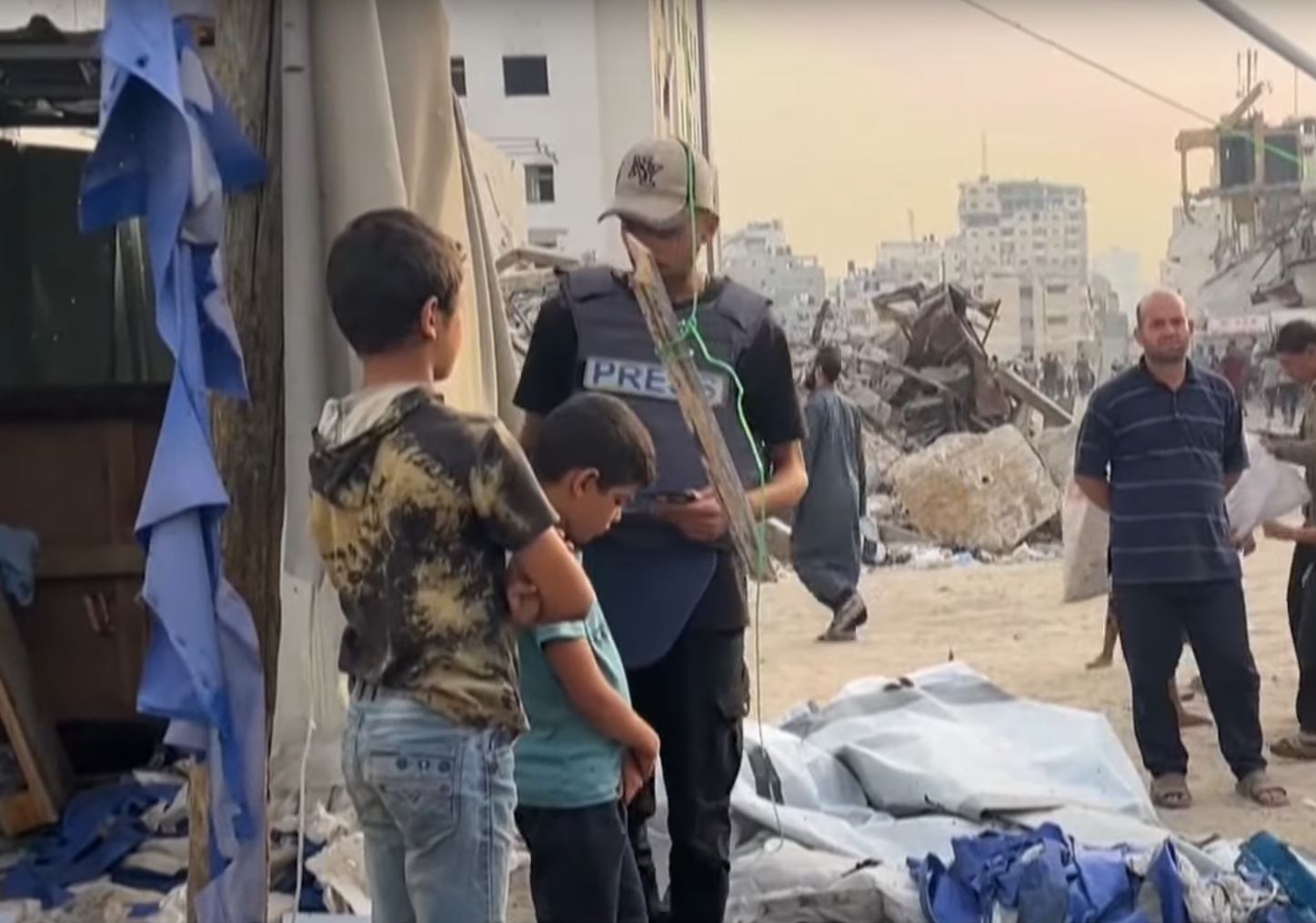
Since the outbreak of the Israel–Gaza war in October 2023, CPJ and other monitors have documented the deadliest period for journalists in decades. By August 2025, casualty counts for journalists and media workers in the conflict had reached the high hundreds.
Why the UN’s wording matters
Under international humanitarian law, journalists are civilians and must be protected unless they take direct part in hostilities. Deliberately attacking civilians who are not participating in combat can amount to a war crime. By calling the killings a “grave breach,” the UN signalled that this case may meet the legal threshold for independent criminal investigation.
Conflicting claims and evidentiary challenges
Israel maintains that the individuals targeted were militants in disguise. Al Jazeera and Gaza authorities maintain they were journalists at work. Verification is difficult due to restricted access and the ongoing war. Any credible investigation will require forensic evidence, access to communications, strike logs, and eyewitness testimony.
The stakes
Diplomatically, the UN condemnation raises pressure for international scrutiny, with some states pushing for Security Council action. Operationally, it may lead news organizations to scale back or alter coverage in Gaza, further limiting outside access to information.
What would count as a credible next step
- A prompt, independent, and impartial fact-finding mission with access to strike data and witnesses.
- Full transparency from all parties about targeting decisions and the intelligence behind them.
- Stronger measures to protect journalists in conflict zones and accountability where violations are proven.
Bottom line: This isn’t just another tragic headline from Gaza. The UN’s language elevates it to a case with serious legal and diplomatic consequences. The answer to the core question — were these lawful military targets or protected journalists — depends on independent, evidence-based investigations that are not yet under way. Until then, the claims remain contested and the stakes remain high.