
After nearly two years of strict restrictions, international journalists may soon gain access to Gaza, following statements by Israeli Prime Minister Benjamin Netanyahu indicating a potential easing of entry rules. The announcement has prompted several leading Nordic media organizations to signal readiness to deploy reporters—provided safety and editorial independence can be ensured.
Netanyahu confirmed last week that the Israeli military has been instructed to allow greater access for foreign journalists to the war-torn enclave. However, reports suggest such access could come with conditions, including military escorts—raising concerns over press freedom and the ability to conduct independent reporting.
Strong Interest from Nordic Outlets
Despite the risks, major Nordic newsrooms—including Sweden’s Sveriges Radio (SR), SVT, Expressen, Aftonbladet, Svenska Dagbladet, and Norway’s Verdens Gang (VG)—have expressed strong interest in sending correspondents into Gaza if feasible.
“We want to tell you as much as possible about the situation in Gaza,” said Klas Granström, Editor-in-Chief of Expressen. “We want to be on site as soon as the opportunity arises.” He emphasized, however, that the volatile security environment demands rigorous planning and adherence to strict safety protocols.
Similarly, Martin Schori, Deputy Editor-in-Chief at Aftonbladet, stated: “Being on site in Gaza has been a key ambition throughout this conflict. If conditions are acceptable, we are ready to act quickly—after thorough risk assessment.”
At SVT, Daniel Kederstedt, Foreign Affairs Director and Deputy Publisher, stressed the importance of firsthand reporting: “We want to be in Gaza as soon as it is safe. Our mission is to report directly from areas shaped by major global events. Right now, we’re limited to fragments. Only on the ground can we deliver comprehensive, in-depth journalism.”
Independence and Transparency Concerns
The prospect of military-escorted visits has raised red flags among editors, who warn that such arrangements could compromise journalistic independence.
“It would make self-sufficient, independent reporting significantly more difficult,” said Anders Pontara, Foreign Affairs Director at Sveriges Radio. “Transparency with our audience about the conditions under which we operate is essential.”
Eva-Therese Grøttum, Head of News at VG, echoed this sentiment: “Free press access to report independently from the ground is crucial. We are preparing for deployment—but will not send anyone unless we deem the security risks justifiable.”
All outlets emphasized that any deployment would require coordination with professional security partners, prior experience in conflict zones, and robust emergency protocols.
A Story That Must Be Told
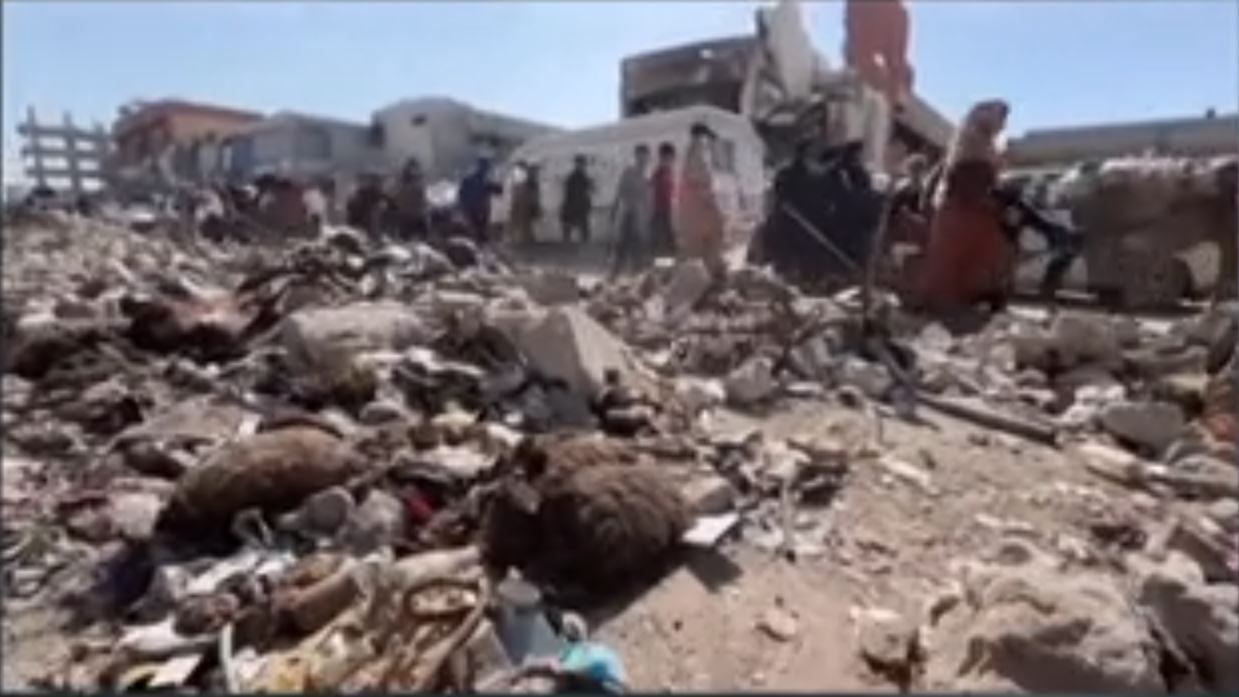
Despite the dangers, Nordic editors agree: the humanitarian and human story in Gaza remains underreported and urgently needs telling.
“There is a lot to report on,” said Pontara. “Documenting everyday life under siege, showing the true face of war, and understanding the role of actors like Hamas are central to our mission.”
Kederstedt added: “We aim to document the consequences of hostilities—the hunger, displacement, and civilian suffering. This war is also defined by intense information warfare. Our role is to cut through propaganda and verify what is real.”
Grøttum underscored the urgency: “Our most important task is to find out what is true—and document it.”
A Dangerous Environment for Journalists
The push for access comes amid record dangers for journalists globally. According to the Committee to Protect Journalists (CPJ), 2023 was the deadliest year for media professionals since records began in 1992, with at least 124 journalists killed worldwide—85 of them in the Gaza conflict.
Since October 7, 2023, CPJ reports that 192 journalists and media workers have been killed in Gaza: 184 Palestinian, two Israeli, and six Lebanese. Of these, 26 were killed in targeted attacks attributed to the Israeli military.
The recent killing of Al Jazeera journalist Anas al-Sharif and four colleagues in a Gaza strike has further intensified concerns. The Israeli military claimed al-Sharif led a Hamas terrorist cell—a claim contested by press freedom advocates, who stress the need to uphold the presumption of journalistic neutrality.
Call for Unfettered Access
Since October 2023, Israel has effectively barred foreign journalists from entering Gaza, a move widely condemned by press freedom organizations and global media. While Netanyahu’s recent comments suggest a shift, the practical implementation—and whether it will allow genuine, independent reporting—remains unclear.
Nordic media leaders are watching closely. As Svenska Dagbladet noted: “We’ve tried before. If access opens, we’re interested—but only if risks are manageable and editorial freedom is possible.”
For now, preparation is underway. The question is no longer if but when—and under what conditions—Nordic journalists might finally bear witness to one of the world’s most urgent and under-observed humanitarian crises.
The Nordic Business Journal reached out to Dagens Nyheter for comment; the outlet has not yet responded.