
The International Energy Agency warns the global oil market is heading for its largest surplus on record in 2026. The cause is a sharp divergence between slowing consumption and rising output.
Demand falters
World oil demand is now expected to grow by just 680,000 barrels per day in 2025 and 700,000 in 2026. These are the weakest gains since 2019, excluding the pandemic collapse. The slowdown reflects softer consumption in China, India, and Brazil, coupled with weak consumer sentiment across advanced economies.
For the IEA, this is evidence the long-expected plateau in oil demand growth is now within sight. In many markets, efficiency gains, electrification, and muted industrial activity are capping consumption.
Supply accelerates
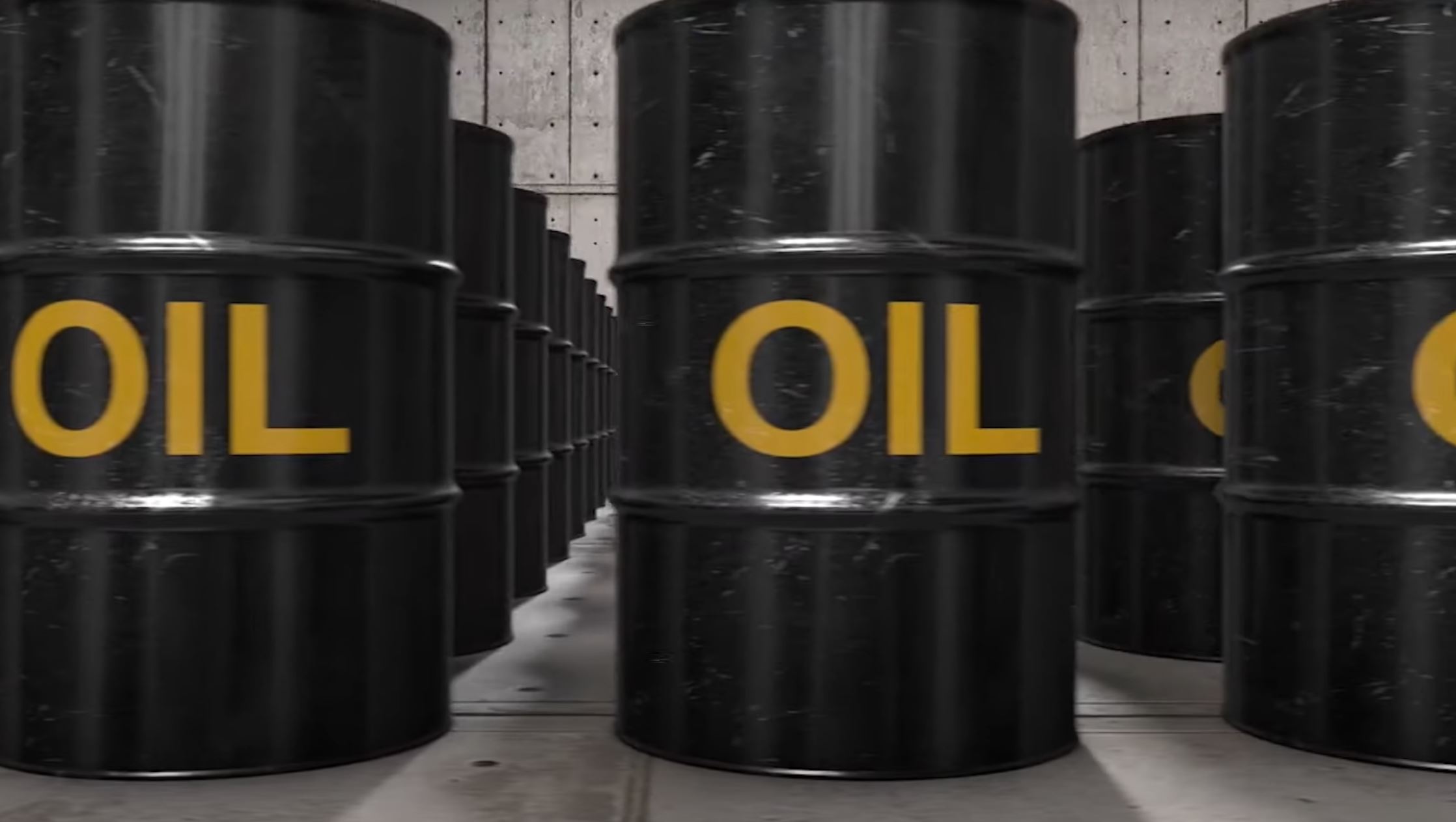
On the other side of the ledger, producers are opening the taps. OPEC+ has been unwinding its earlier output cuts, and non-OPEC countries—especially the United States, Canada, Brazil, and Guyana—are adding barrels at pace. The IEA projects global supply to expand by 2.5 million barrels per day in 2025 and another 1.9 million in 2026.
That imbalance pushes the implied surplus close to 3 million barrels per day in 2026. By the agency’s count, this would surpass even the glut during the height of the COVID-19 demand shock.
Inventories swell
The trend is already visible in storage data. Global oil inventories reached a 46-month high in June, with significant builds in China and an uptick in oil-on-water volumes. This stockpile growth is likely to continue into 2026 if current trajectories hold.
Implications for the Nordic region
For Nordic economies, the forecast carries mixed signals. Norway’s petroleum sector could face lower price realizations if the surplus drives down benchmark crude. Shipping companies may benefit from lower fuel costs, while energy-intensive industries gain some margin relief. On the policy side, an extended period of cheaper oil could slow the pace of the green transition unless countered by targeted incentives.
Bottom line
The world is heading into 2026 with more oil than it needs. For traders, refiners, and policymakers alike, the challenge will be adapting to a market where oversupply—rather than scarcity—defines the risk landscape.