
Argentina is facing one of the most severe public health scandals in its history. At least 87 patients have died—and the toll may reach 96—after receiving hospital-administered fentanyl contaminated with antibiotic-resistant bacteria. The victims were not addicts or illicit drug users. They were hospital patients, many undergoing surgery or receiving pain relief for unrelated illnesses, who trusted the country’s medical system to keep them safe.
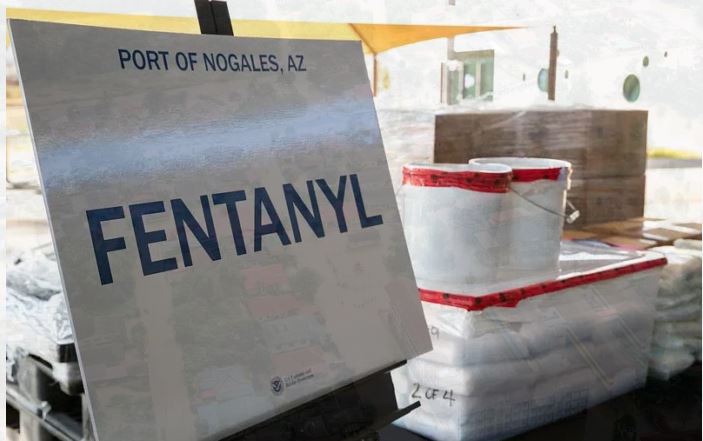
The contaminated fentanyl came from two batches produced by HLB Pharma and its partner Laboratorio Ramallo. Tests by Argentina’s Malbrán Institute identified Klebsiella pneumoniae and Ralstonia pickettii, both dangerous and resistant to treatment. Over 300,000 ampoules were distributed nationwide before regulators intervened; roughly 45,000 were administered before the recall.
For the families, the damage is irreparable. Survivors describe loved ones going from stable condition to critical illness within hours. Several victims died within days of exposure. In a country where public trust in institutions is already fragile, the shock has been profound.
From a governance standpoint, the crisis exposes serious gaps in pharmaceutical oversight. Argentina’s drug regulator, ANMAT, acted quickly once the link was established, suspending production at the implicated facilities. But judicial investigations suggest systemic failures: 24 people linked to the production and distribution chain are under investigation, assets frozen, and international travel restricted. No charges have yet been filed. One executive has floated the possibility of sabotage, but investigators have yet to confirm this.
For Nordic businesses, the case offers two lessons. First, in emerging markets, supply chain risk extends beyond cost and delivery—it includes quality controls that can collapse if regulatory systems falter. Second, reputational risk is now truly global. In a hyper-connected world, a contamination scandal in Buenos Aires can ripple through suppliers, investors, and multinational partners within hours.
Argentina’s fentanyl tragedy is a human disaster first, but it is also a stark case study in the economic costs of regulatory breakdown. Trust, once lost in healthcare markets, takes years—and significant investment—to rebuild.