
The Danish government is pushing for a significant military expansion in Greenland, a move that signals a major shift in Arctic security strategy. A recently revealed internal government document details plans for a new military presence, including the establishment of a Greenlandic military unit and a new headquarters for the Arctic Command. This initiative, first announced by Minister of Defence Troels Lund Poulsen, is driven by growing geopolitical tensions and a desire to strengthen NATO’s northern flank.
A Stronger Presence
For years, the prevailing strategy for the Arctic, particularly for Denmark and Greenland, has been to maintain a “low-voltage area”—meaning as few uniforms and weapons as possible. This new plan, however, seems to abandon that principle entirely. The government document, written in June ahead of negotiations for the Arctic Package Two, outlines a permanent increase in Danish defense presence in Greenland, ideally in collaboration with local forces.
The centrepiece of this plan is a proposal to create a Greenlandic military unit under the Arctic Command. Unlike previous ideas for civilian-based groups like a coast guard or “Greenland Rangers,” this new unit would be a professional military force. Its purpose would be to handle “smaller tactical tasks,” including combat, guard, and rescue operations.
According to DR’s defence correspondent Mads Korsager, this is a remarkable change. The very idea of a tactical military unit marks a break from the past, where even Danish soldiers were encouraged to wear civilian clothes when off duty in Nuuk to avoid attracting attention. The security situation has now led the Greenlandic government to be more open to military solutions.
Strategic Importance
This new focus on Arctic security is a direct response to rising tensions between Russia, China, and the United States. A Danish Defence Intelligence Service assessment, cited in the document, highlights how these geopolitical pressures are impacting the region.
From a strategic standpoint, Greenland is crucial to NATO’s defence. The GIUK gap—the waterway between Greenland, Iceland, and the United Kingdom—is a vital chokepoint. If an armed conflict with Russia were to break out, it would be essential for the U.S. and its allies to prevent Russian submarines from entering the Atlantic Ocean through this area. The new Greenlandic military unit is seen as a key part of this defence.
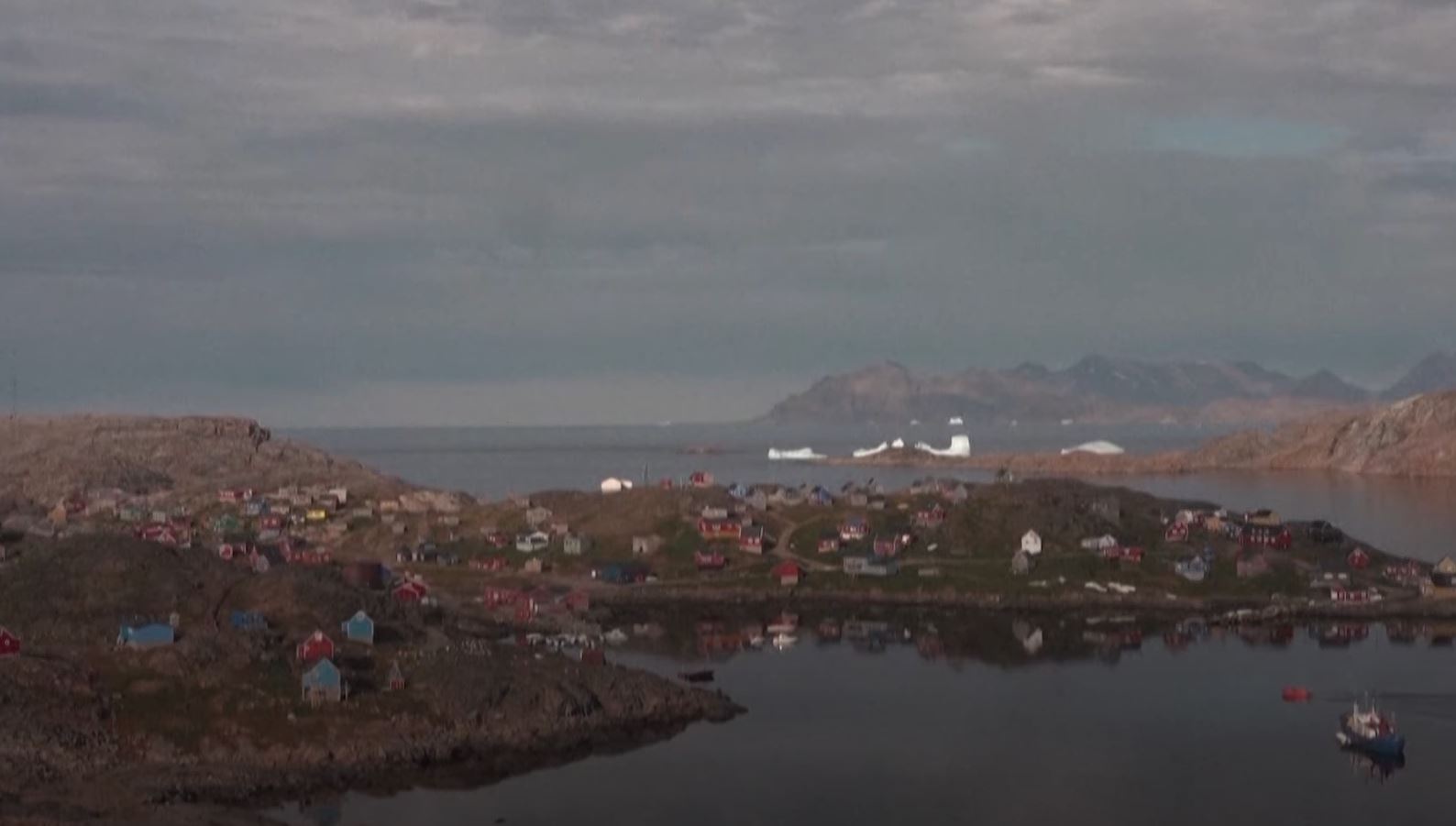
In addition to a new military unit, the government’s plans also include:
- Expanded Cooperation: Working with neighbouring countries on surveillance aircraft to monitor submarine activity.
- New Ships: Acquiring five new Arctic ships to replace the aging Thetis-class vessels and patrol Arctic waters.
Building a Local Force
While political decisions are still pending, Chief of Defence Michael Hyldgaard believes the creation of a military unit in Greenland makes a lot of sense from a military perspective. He sees a potential for local soldiers to receive professional training and use their unique knowledge of the terrain to their advantage.
“When you finish basic Arctic training, you could have a reserve contract or an availability contract with such a unit,” Hyldgaard says. This would allow Greenlandic trainees to transition from education into a professional career as a soldier.
Hyldgaard notes that the unit would also include Danish soldiers, as it will take time to train enough local personnel. Last year, 19 people completed basic Arctic training, with 30 participating this year. Though he wouldn’t specify a size for the unit, Hyldgaard emphasized a slow, gradual approach to building the force and gaining experience.
The proposed new headquarters for the Arctic Command would provide an organizational home for this new unit, anchoring Denmark’s increased military presence in Greenland.