
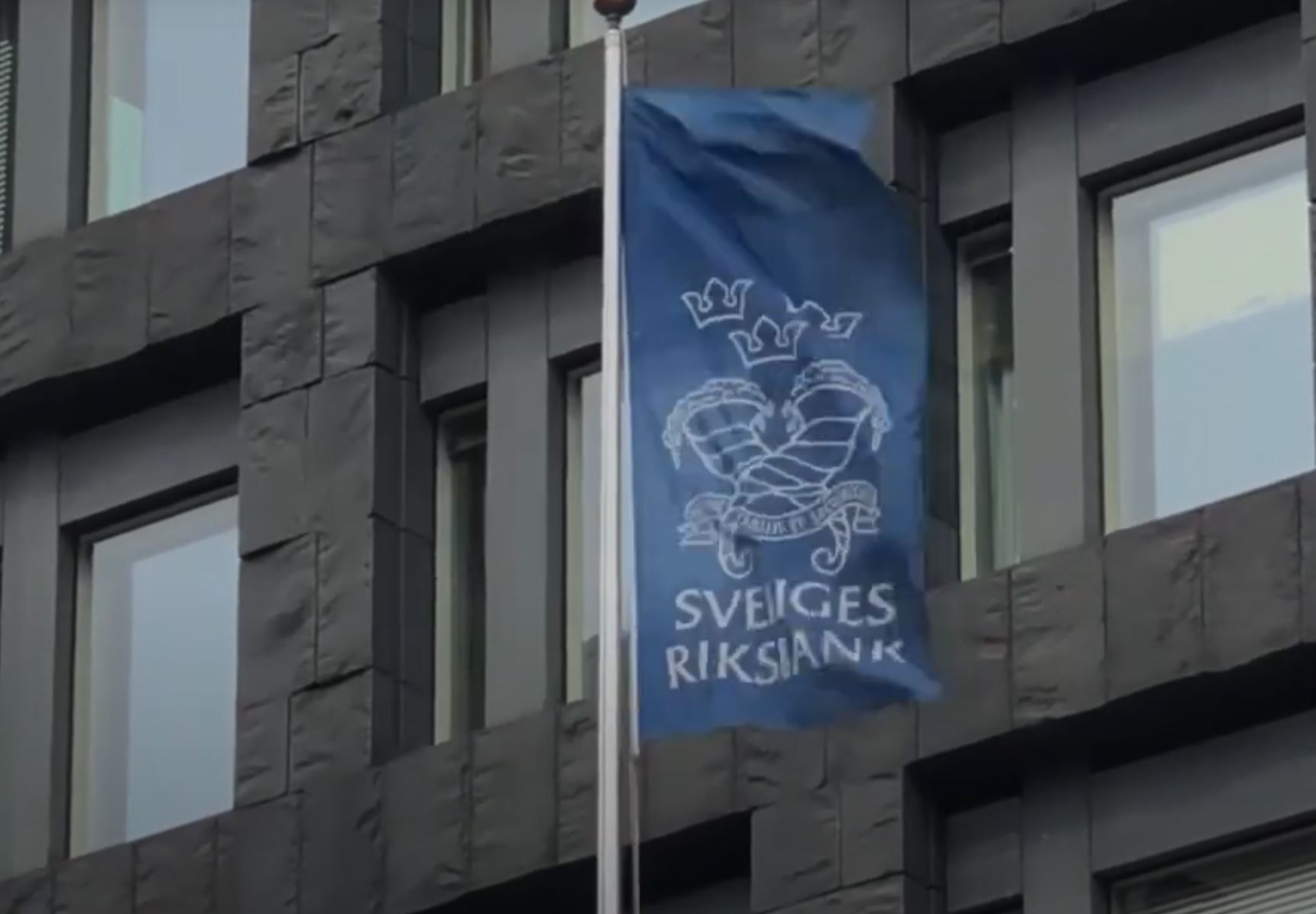
The Riksbank has decided to keep Sweden’s key interest rate unchanged at 2 percent, maintaining its cautious stance as inflation shows signs of a temporary rebound. The decision, widely anticipated by financial analysts, aligns with the central bank’s previous guidance from June—leaving the possibility of a rate cut later this year still on the table.
“The Riksbank governor is as predictable as Santa Claus—this time, even more so,” remarked SVT’s economic commentator Alexander Norén, highlighting the central bank’s consistent messaging.
Inflation Bites Back—But Is It Temporary?
Inflation rose to 3 percent in July, marking the second consecutive monthly increase. This uptick has been driven largely by seasonal factors, including higher prices for food and package holidays compared to the same period last year. While inflation has exceeded the Riksbank’s earlier projections, policymakers continue to view the rise as temporary, attributing it to short-term disruptions rather than sustained price pressures.
“Is this just a summer flu, or are we seeing the start of a longer-term trend?” asked independent economic journalist Kristian Åström on SVT’s Morgonstudion ahead of the announcement. “Most don’t think so, but there’s significant uncertainty—not just here, but globally.”
A Balanced Outlook: Cuts Possible, But Not Guaranteed
Despite growing public hope—especially among homeowners with variable-rate mortgages—for an imminent rate cut, the Riksbank is treading carefully. Governor Erik Thedéen emphasized that while a rate reduction remains possible, it is by no means certain.
“There is a certain probability of another cut,” Thedéen stated at the post-decision press conference. “But symmetrically, there’s also a real possibility that rates will remain unchanged for the rest of the year.”
This balanced outlook reflects the central bank’s dual challenge: supporting a fragile economic recovery while managing inflation expectations in a volatile global environment.
Economic Uncertainty Looms Large
The Riksbank’s statement underscored the high level of uncertainty surrounding both domestic and international developments. Risks include the pace of Sweden’s economic recovery, corporate pricing behaviour, and the persistence of elevated inflation.
“Global uncertainty remains elevated,” the Riksbank noted, pointing to key geopolitical and economic flashpoints—particularly U.S. economic policy shifts, the ongoing war in Ukraine, and instability in the Middle East.
Thedéen added: “If there’s one thing we’ve learned recently, it’s that economic policy, especially from the United States, can change rapidly and have far-reaching consequences.”
Consumers and Businesses on Hold
This climate of uncertainty is having real-world effects. Both households and businesses are holding back on major decisions, from investments to spending, as they struggle to plan for the future.
Alexander Norén observed that many mortgage holders are anxiously awaiting relief, but cautioned against assuming a September rate cut is imminent. “There’s a widespread sense of hesitation,” he said. “People don’t know what’s coming next—and when you can’t forecast a year ahead, you tend to wait.”
Looking Ahead
For now, the Riksbank remains in wait-and-see mode. With inflation temporarily higher but deemed transitory, and global risks mounting, the central bank is prioritizing flexibility over action. While the door remains open for a rate cut before year-end, patience—and prudence—appear to be the guiding principles.
As Sweden navigates choppy economic waters, one thing is clear: in an unpredictable world, the Riksbank is determined not to jump the gun.