
Sweden is on the verge of a major change in how Alzheimer’s disease is detected, thanks to a new generation of blood tests. Traditionally, diagnosing Alzheimer’s has relied on expensive, invasive, or complex methods like PET scans or spinal fluid analysis. Now, two leading Swedish institutions, the Sahlgrenska Academy and Lund University, are pioneering a practical and accessible alternative: a simple blood draw.
Sahlgrenska Leads with the First P-tau181 Test
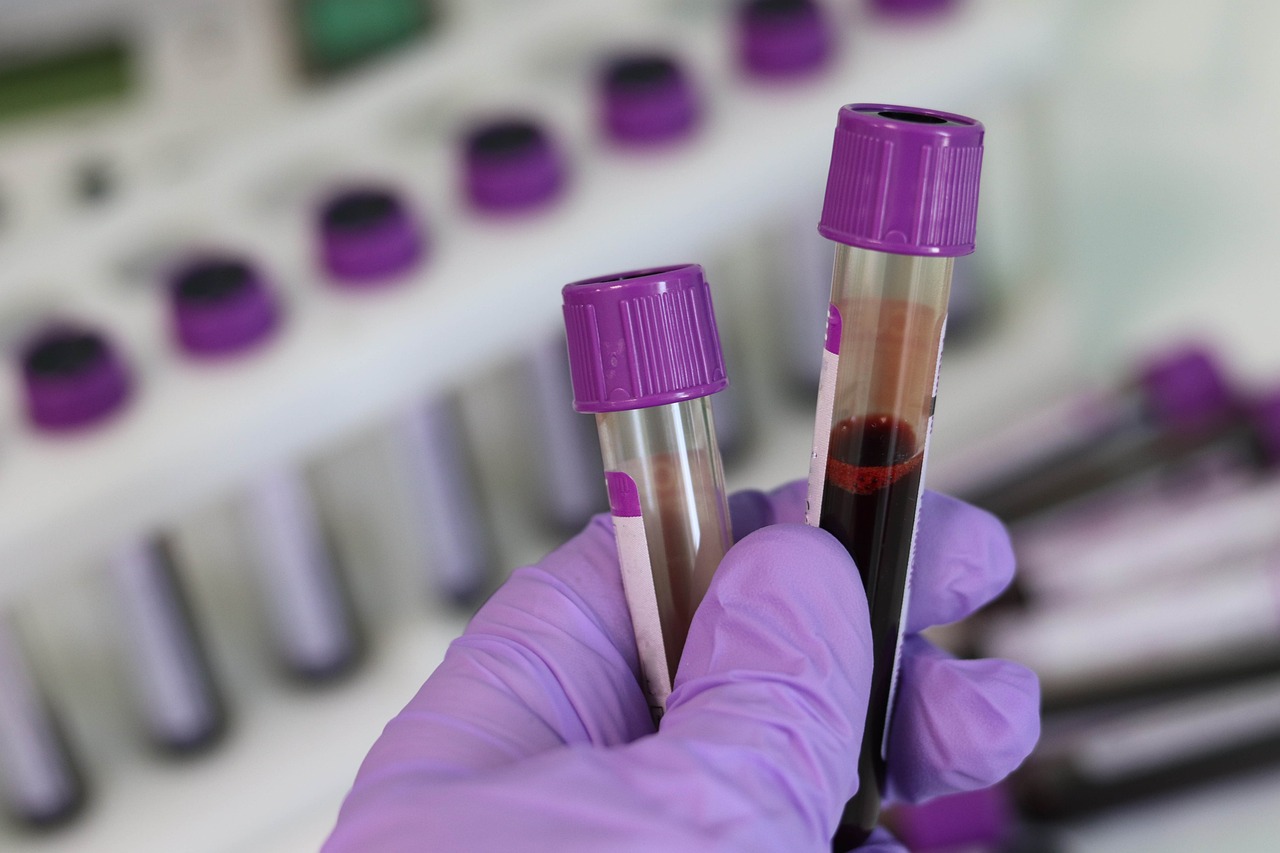
In a significant move that bridges laboratory research and clinical practice, Sahlgrenska University Hospital, in collaboration with the University of Gothenburg, has begun offering clinicians a new blood test for diagnosing Alzheimer’s. This test measures a specific biomarker called phosphorylated tau-181 (p-tau181) using a highly sensitive method known as SiMoA (single molecule array).
Pioneering research by Professors Kaj Blennow and Henrik Zetterberg at Sahlgrenska Academy in 2020 demonstrated that this biomarker is a strong indicator of early Alzheimer’s pathology, even in patients with only mild cognitive impairment. The test is designed to be highly sensitive and achieve about 90% diagnostic accuracy, helping to distinguish Alzheimer’s from other forms of dementia. This offering marks a critical step toward integrating blood-based biomarkers into routine healthcare, making early and accurate diagnosis more widely available.
Lund University’s P-tau217 Test Builds on the Momentum
While Sahlgrenska’s p-tau181 offering was the first of its kind, researchers at Lund University have been advancing a different but equally promising test that measures a different tau variant: p-tau217. This biomarker has also shown remarkable accuracy, identifying about 90% of Alzheimer’s cases in early-stage patients with very few false positives.
A large-scale study published in JAMA in July 2024 further solidified the potential of these blood tests. It evaluated a combined biomarker model called APS2, which includes p-tau217, and found it could detect Alzheimer’s with 88-92% accuracy. This is a significant improvement over traditional clinical evaluations, which showed only 61-73% accuracy.
Together, the developments at both Sahlgrenska and Lund signal a national shift. They are setting a new standard for how clinicians identify, diagnose, and monitor Alzheimer’s disease, providing a practical and powerful tool for early detection.
Why These Blood Tests Matter
The widespread availability of these blood tests could reshape Alzheimer’s care in several key ways:
- Accessibility: A simple blood draw can be done in a primary care setting, eliminating the need for expensive or inaccessible referrals. This could make early screening a routine part of a regular check-up.
- Early Detection: Catching the changes in tau levels years before symptoms appear provides crucial time for both patients and their families to plan for the future. As new treatments for Alzheimer’s emerge, early detection could also allow for more effective intervention.
- Improved Accuracy: The high accuracy of these blood tests, particularly the combined biomarker models, offers a far more reliable diagnosis than clinical judgment alone.
- Monitoring Potential: These biomarkers can also track disease progression and a patient’s response to new treatments, moving medicine closer to a truly personalized approach for Alzheimer’s care.
The initiatives from Sahlgrenska and Lund are more than just scientific breakthroughs; they are a message. They demonstrate that diagnosing Alzheimer’s doesn’t have to be complex or invasive. These developments could profoundly change the lives of patients and their families by providing clarity, access, and a better understanding of the disease, not just in Sweden but globally.