
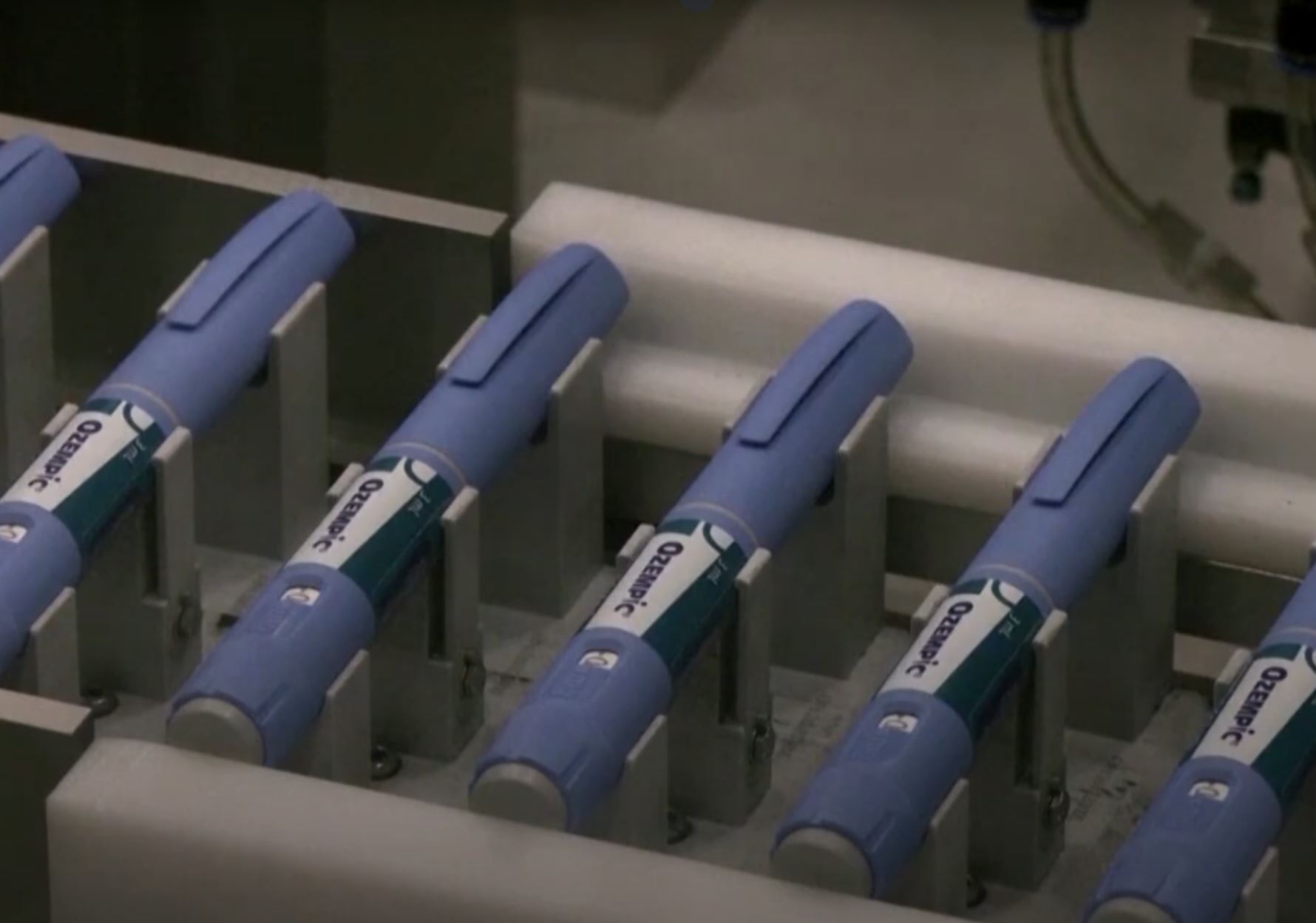
Drugs like Ozempic, Wegovy, Mounjaro, and Zepbound are rewriting the playbook for treating obesity and diabetes. Demand is skyrocketing, sales are surging, and they’re quickly becoming household names. But new research is also surfacing a different story: rare but serious eye problems linked to these medications.
The main concern: sudden vision loss
The condition drawing the most attention is non-arteritic anterior ischemic optic neuropathy (NAION), sometimes called an “eye stroke.” It happens when blood flow to the optic nerve is disrupted, leading to sudden, painless vision loss—usually permanent—in one eye.
- A Harvard/Mass Eye and Ear study of more than 159,000 diabetes patients found semaglutide users were four times more likely to develop NAION. In people taking it purely for weight loss, the risk was nearly eightfold higher.
- A smaller case series published this year documented several new cases.
- Regulators in Europe have already responded, requiring updated drug labels that list NAION as a very rare side effect.
Other red flags
- Diabetic retinopathy: When blood sugar improves too quickly, fragile eye vessels can bleed or swell.
- Macular degeneration: A Canadian study of one million diabetic adults found that six months or more of GLP-1 use doubled the risk of advanced age-related macular degeneration, and tripled it in older patients with a history of stroke.
What patients need to know
For most people, the odds of these complications are still very low. NAION affects only 2–10 people per 100,000 each year. But certain groups—older adults, those with diabetes, high blood pressure, sleep apnea, or existing eye disease—are more vulnerable.
Doctors are urging routine eye exams before and during treatment, and quick evaluation if vision suddenly changes. Scientists still aren’t sure whether the drugs themselves cause the damage or if the rapid drop in blood sugar is to blame.
Why this matters beyond medicine
The business momentum behind GLP-1 drugs is enormous. They’re already changing how obesity and diabetes are treated, and companies are racing to expand production and indications. But the growing evidence of eye risks could shape how doctors prescribe them, how regulators label them, and how patients weigh their options.
Bottom line
These drugs remain a breakthrough in metabolic health, but their story is still unfolding. As their use widens, rare but serious side effects like sudden vision loss will need to be part of the conversation—not just in the clinic, but in the broader discussion about how society adopts them.