
A quiet shift is happening in Swedish grocery shopping. Just having a discount store in town is enough to bring prices down—even for people who never set foot inside one.
That’s the conclusion of a new report from Matpriskollen. Their data shows that when a discount chain opens locally, supermarket competitors are forced to trim their margins. The effect is significant: a household with children that shops exclusively at the discount store can save as much as 22,000 kronor a year. But even families that stick to their usual supermarket save an average of 7,000 kronor annually, simply because competition heats up.
“You don’t even have to shop in the store to benefit,” says Ulf Mazur, CEO of Matpriskollen. “Prices drop in the other stores too.” He calls it a “double effect”—shoppers gain a cheaper option, and at the same time, pressure builds on rivals to lower prices.
Why Many Towns Miss Out
Despite the benefits, one out of three municipalities in Sweden still lacks a discount store. According to the Swedish Competition Authority, this isn’t by accident. Municipal planning decisions often slow or block new establishments. In practice, that means entire towns are left with fewer options and higher grocery bills.
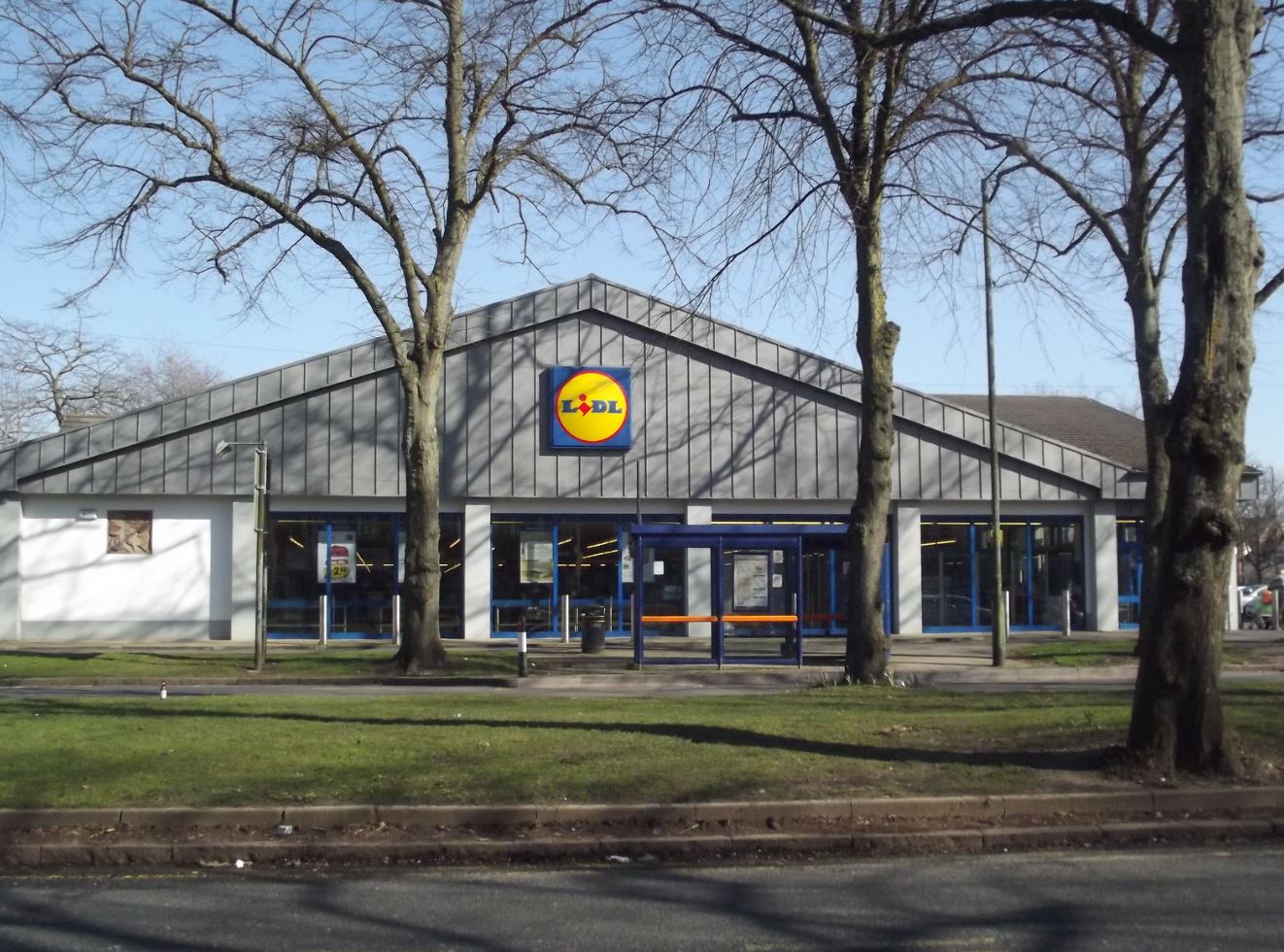
The chain Lidl, which runs 208 stores across Sweden, has ambitions to grow by seven to ten outlets each year. But progress has been slower than planned. “The biggest challenge is how municipalities interpret the Planning and Building Act,” says Niclas Kjellman, Lidl’s sales and property director. “Many say no to food retail specifically, and when we try to change an existing plan, the process drags on for years.”
Lidl is now pushing for reforms. They want changes to planning rules to prevent municipalities from blocking new grocery stores, and they’re calling for an end to non-compete clauses that allow existing retailers to shut out rivals. The government has already tasked the National Board of Housing, Building and Planning with looking into ways to make grocery store expansion easier. A report is expected this spring.
What the Numbers Show
The Food Price Survey compared supermarkets with discount stores within a five-kilometer radius. When only one discount store is present, supermarkets charge about 5.3 percent more. But when four or five discount stores cluster in the same area, the gap shrinks to around 3–4 percent.
In smaller towns, the differences are starker. Researchers looked at 30 stores in 20 towns, half of which had no discount option. In towns without discount stores, grocery prices averaged nearly 15 percent above the discount level. Where at least one existed, the difference fell below 10 percent. Local stores in discount-free towns also charged more compared to their own chain’s national average.
The Bigger Picture
Discount chains in Sweden include Willys, Lidl, and Coop X:tra. For supermarkets, Ica Maxi was used as the main point of comparison. Matpriskollen based its analysis on a standard family of four spending about 12,500 kronor per month on food.
The bottom line is clear: when discount stores are allowed to open, everyone saves money—whether they shop there or not. The only question is how long municipalities will continue to hold the door shut.