
Sweden, long seen as a bastion of safety and social welfare, is grappling with an unprecedented surge in violent crime that challenges its national identity. This interactive report explores the complex reality behind the headlines, dissecting the data, the deep-seated causes, and the government’s dramatic shift in response.
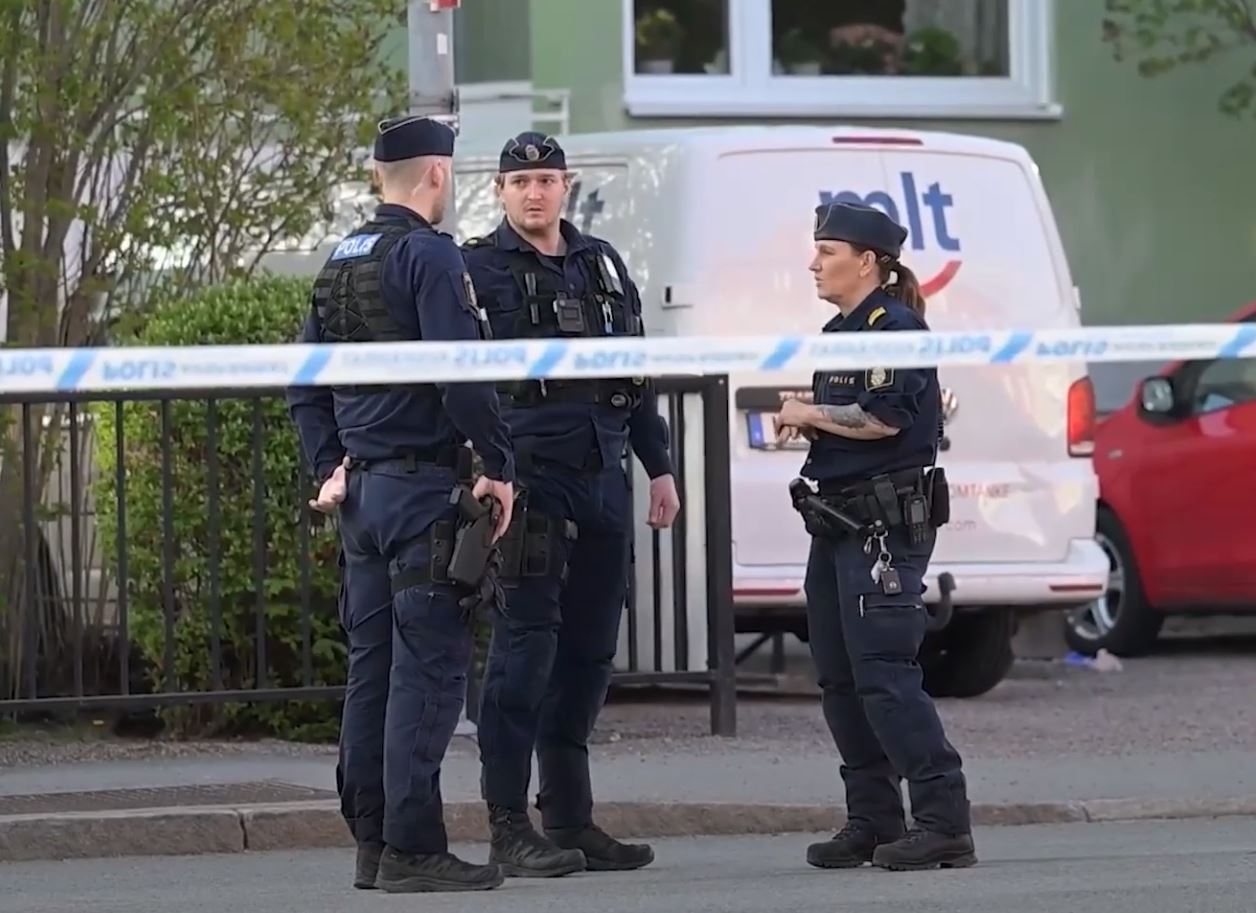
A Nation at a Crossroads
Sweden, long seen as a bastion of safety and social welfare, is grappling with an unprecedented surge in violent crime that challenges its national identity. This interactive report explores the complex reality behind the headlines, dissecting the data, the deep-seated causes, and the government’s dramatic shift in response.
2.5x
Higher gun homicide rate than the European average.
149
Explosions recorded in 2023, a national record.
12
The young age at which some minors are recruited as “child soldiers”.
Visualizing the Violence
The scale of Sweden’s crime wave is best understood through data. This section provides an interactive look at the trends in shootings and explosions over recent years. Use the buttons below to switch between datasets and hover over the charts to explore the specific figures for each year.
The Anatomy of a Crisis: Root Causes
The surge in violence is not random; it’s the result of a convergence of complex factors. This section explores three key drivers that have transformed Sweden’s criminal landscape. Click on each card to reveal a more detailed analysis of how these elements contribute to the ongoing crisis.
Evolving Criminal Networks
Traditional hierarchical gangs have been replaced by fluid, adaptable, and transnational networks. These groups are harder to dismantle, leveraging technology and diversified revenue streams from drug trafficking to complex welfare fraud.
Their resilience stems from a lack of clear leadership, making conventional “decapitation” tactics ineffective. Strong ties to European drug hubs ensure a steady supply, while encrypted communication and cryptocurrency complicate investigations.
Social & Economic Divides
Deep-seated social segregation and failed integration have created “parallel societies” in vulnerable areas. In these isolated suburbs, criminal networks fill a vacuum, offering belonging and income to disenfranchised youth.
These areas, marked by low socio-economic status, become fertile recruiting grounds. Gangs exert control over local life, and the glamorization of “gangster culture” on social media extends their influence beyond marginalized communities.
The “Child Soldier” Phenomenon
Gangs systematically exploit lenient sentencing for minors by recruiting children, some as young as 12, to carry out violent acts. This tactic minimizes risk for senior members and ensures a steady supply of low-risk perpetrators.
This exploitation has become a regional security issue, with Swedish minors recruited for crimes in neighboring countries. It represents a deliberate tactical adaptation by gangs to weaponize the justice system’s own safeguards for young offenders.
The State Strikes Back: A Hardline Shift
In response to the crisis, the Swedish government has abandoned its traditionally “soft” approach for a new national strategy: “Resistance and Decisive Action.” This section outlines the key pillars of this aggressive, multi-pronged effort to reassert state authority and dismantle criminal enterprises.
Harsher Sentencing
Doubling punishments for gang-related crimes and gun possession, and ending sentence reductions for multiple offenses.
Expanded Police Powers
Authorizing stop-and-search operations without reasonable suspicion and permitting wiretapping of minors under 15.
Targeting Recruitment
Criminalizing the act of recruiting minors into gangs to disrupt the supply of “child soldiers.”
Attacking Criminal Finances
Improving inter-agency cooperation to dismantle the criminal economy, from drug money to welfare fraud.
The Expert Critique & The Paradox
While the government’s decisive action signals a clear commitment, criminological experts question its long-term effectiveness. This section explores the central paradox: a tough response that may create unintended consequences, straining the justice system and failing to address the root causes of violence.
Policy vs. Predicted Outcome
Experts warn of a potential negative feedback loop.
Government Action:
Tougher sentences for 18-year-olds.
Expert Concern:
Gangs adapt by recruiting even younger teens (15-16) to exploit remaining loopholes.
Government Action:
Expanded stop-and-search powers.
Expert Concern:
Risks alienating communities, eroding trust in police, and pushing vulnerable individuals further from state help.
Government Action:
Focus on mass incarceration.
Expert Concern:
Incapacitation is ineffective as new recruits quickly fill vacancies, often after violent power struggles.
Consequence: Prison Overcrowding
The 25% increase in prison sentences in 2023 is already pushing the system to its limits, raising questions about the long-term sustainability of a punitive-focused strategy.
A Call for a Holistic Approach
The expert consensus is clear: a lasting solution requires more than just punishment. An effective strategy must integrate decisive law enforcement with social reforms, early intervention, and economic opportunities in vulnerable areas to provide viable alternatives to a life of crime.