
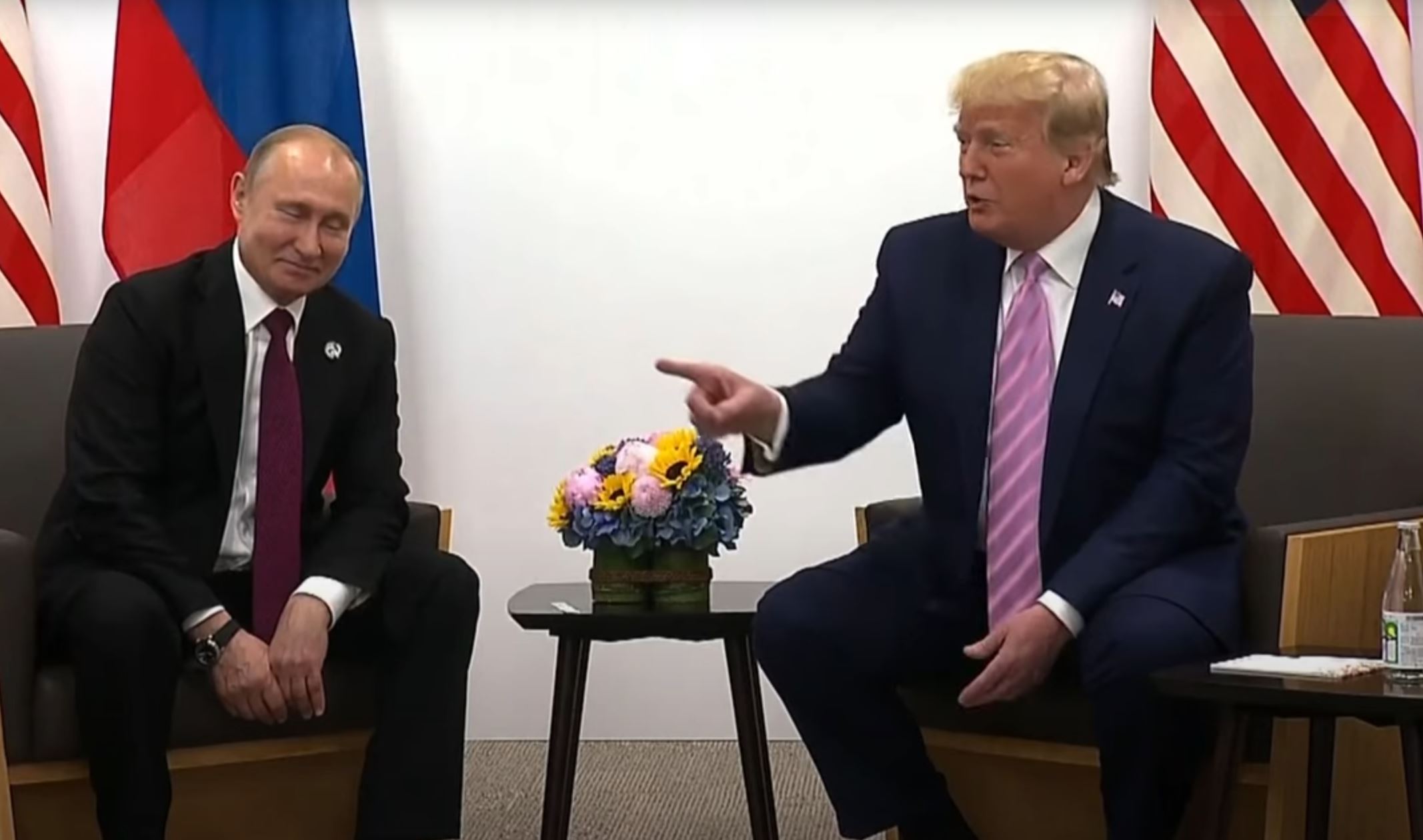
Anders Fogh Rasmussen, former Danish prime minister and ex-NATO Secretary General, has delivered one of his sharpest warnings yet about Donald Trump. He argued that Trump should be handled the same way as Vladimir Putin and Xi Jinping—leaders who only respect strength.
Rasmussen called the comparison “eerie,” but insisted it reflects how Trump treats allies. From pressuring Denmark over Greenland to targeting Danish companies like Ørsted, Trump’s approach has unsettled one of America’s closest partners. The message Rasmussen sends is blunt: Trump doesn’t act like a friend of the West.
Why Rasmussen Said It
His remarks come as Europe questions whether Trump’s return to power would weaken transatlantic ties. Rasmussen believes that showing deference or flexibility only invites more pressure, whether from Moscow, Beijing, or Washington under Trump. The way to defend democratic alliances, he argues, is to stand firm.
The Bigger Stakes
Rasmussen puts Trump in the same category as Putin and Xi because all three thrive on exploiting hesitation. In his view, the West must show unity and resolve or risk losing influence to leaders who equate compromise with weakness.
Europe’s Dilemma
The statement has fed into a wider European debate: how much independence should Europe build into its foreign policy, and how much should it still rely on the United States? Rasmussen doesn’t argue for abandoning America, but for preparing to confront disruptive behaviour—even if it comes from Washington.
Bottom line
Rasmussen’s words capture a shift in European thinking. Unpredictability is no longer seen as just a problem with adversaries; it can come from allies too. His answer is the same in every case: face it with strength, not accommodation.