
Sweden’s growing defence industry has found itself at the centre of a heated political debate following Thailand’s decision to acquire four additional Jas 39 Gripen fighter jets. The deal, announced earlier this week, strengthens the Royal Thai Air Force’s fleet of Swedish-built fighters and underscores Sweden’s role as a niche global exporter of advanced military technology. But critics warn that the export risks clashing with Sweden’s own foreign policy principles.
Jacob Risberg, foreign affairs spokesperson for the Green Party, argued that the Gripen export contradicts Sweden’s export control regulations. These stipulate that democracy and respect for human rights should be central considerations when determining the eligibility of foreign customers for Swedish defence equipment. “We cannot turn a blind eye to Thailand’s democratic shortcomings while continuing to sell advanced weapons systems,” Risberg said, referring to Thailand’s history of military coups and political repression.
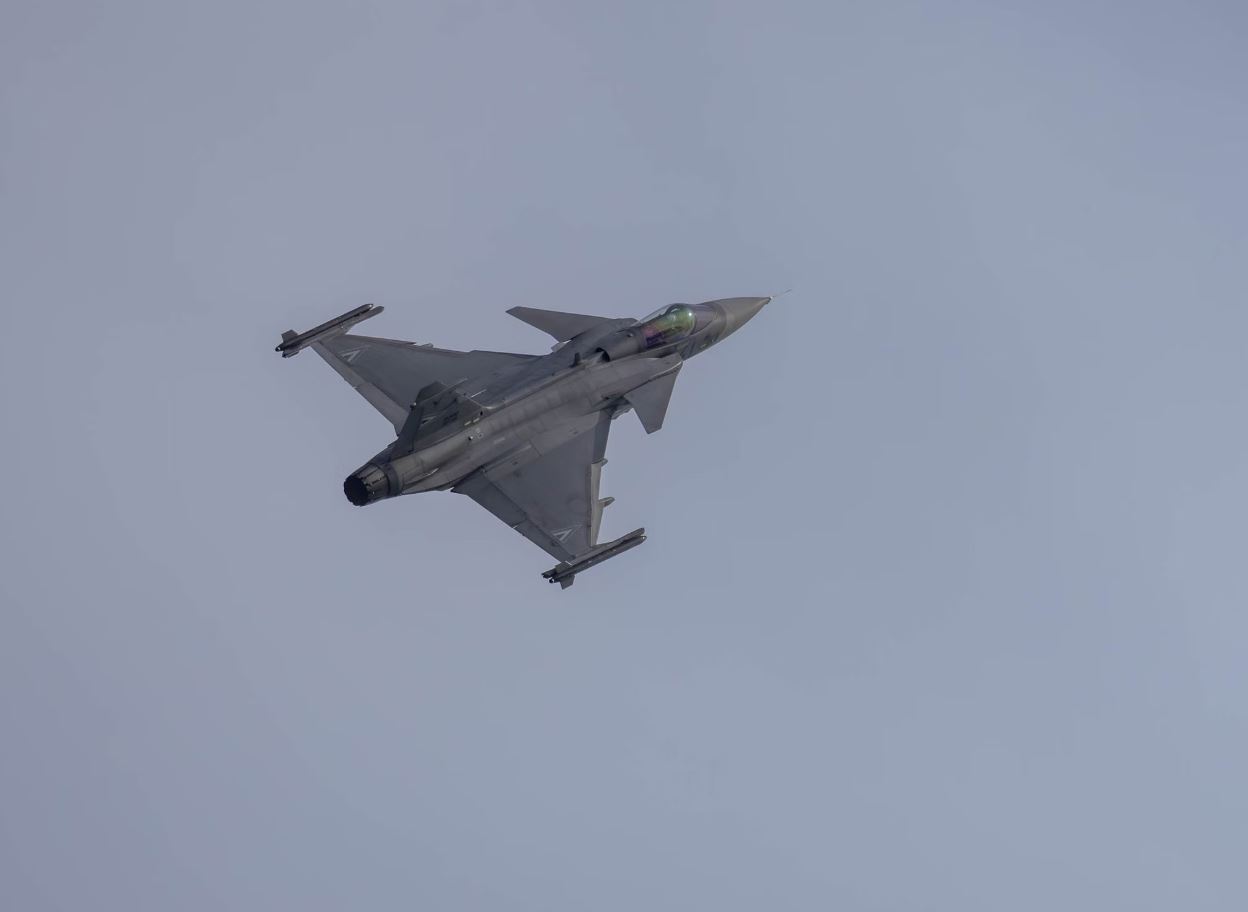
His concerns highlight a recurring tension in Sweden’s defence export policy: the balance between ethical restrictions and the economic and security imperatives of sustaining a domestic defence industry.
Countering the criticism, Lars Püss, Moderate Party MP and member of Sweden’s Export Control Council, emphasized the strategic necessity of such exports. “If Sweden is to maintain a modern and credible defence capability, we need to secure international markets for certain categories of equipment—fighter jets being among them. Without export volumes, the domestic industry risks weakening, which would in turn affect Sweden’s security.”
The dispute illustrates the complex intersection where industrial competitiveness, foreign policy, and ethical standards converge. Svenska Saab AB, the manufacturer of the Gripen, relies on exports to maintain production scale and fund further innovation. The Gripen program, widely regarded as a cost-efficient alternative to U.S.-made or European rivals, has already secured customers in Hungary, the Czech Republic, South Africa, and Brazil. Thailand’s continued purchases reaffirm Saab’s position in niche markets outside NATO, though they also raise questions about the type of governments Sweden is prepared to engage with as customers.
For the Swedish government, the deal underscores a broader dilemma: whether to prioritize values-based diplomacy or the demands of economic and industrial strategy in an increasingly uncertain security environment. With defence spending surging worldwide and competition for new contracts intensifying, Sweden may find itself forced to recalibrate how strictly it enforces democratic accountability in arms exports.
As Stockholm prepares for its defence and foreign policy deliberations this autumn, the Gripen deal with Thailand serves as a test case—raising the question of whether Sweden’s defence export model can simultaneously uphold democratic ideals and safeguard national security interests.