
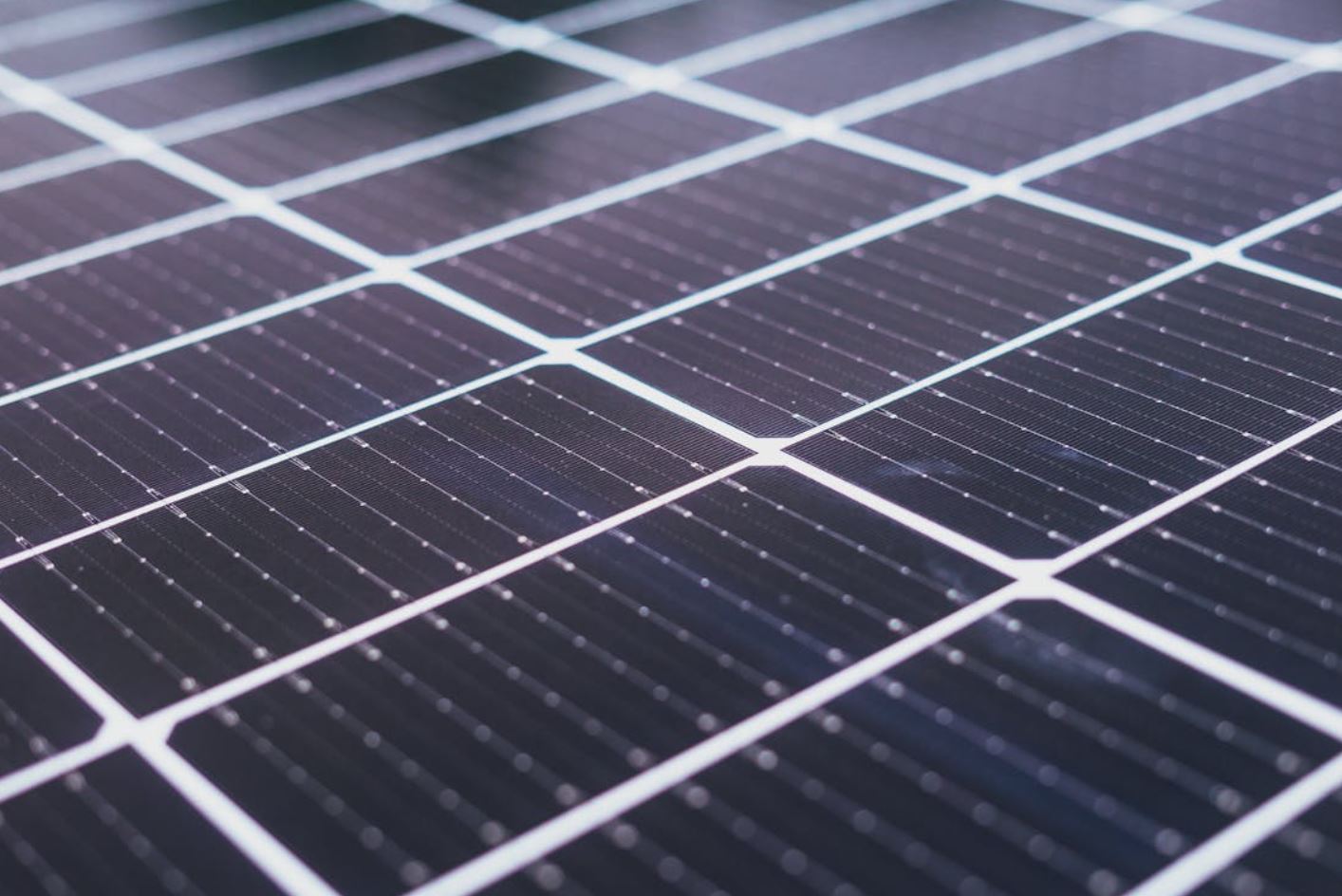
Sweden just switched on its largest solar park, a 130-hectare site outside Hultsfred that can produce 100 gigawatt-hours of electricity each year. That’s enough to power 18,000 households. The project, built by energy producer Alight and co-owned with French partner Neoen, is tied to a long-term power purchase agreement with H&M Group.
Under the deal, H&M will take 95 percent of the park’s electricity, helping the company move toward its goal of running entirely on renewable energy by 2030. On paper, it’s a win-win: more clean power in Sweden and a major retailer reducing its reliance on fossil fuels.
But the story doesn’t end there.
The Greenwashing Question
Critics argue the deal may do more for H&M’s image than the climate. Brand researcher Eva Ossiansson from the University of Gothenburg points out the contradiction: H&M operates in the fast-fashion sector, a business model built on overproduction and overconsumption. Investing in solar power doesn’t erase that. In her words, the company risks “washing its brand” rather than changing its core practices.
This isn’t the first time H&M has faced scrutiny. Investigations have shown that clothes collected for recycling sometimes end up in African landfills. Moves like the solar deal can be seen as damage control—an attempt to redirect attention from uncomfortable realities.
What It Means for Sweden’s Economy
Leaving H&M aside, the park itself matters for Sweden. Large-scale renewable projects increase domestic electricity supply, which strengthens energy security and helps balance future demand. With Sweden aiming to accelerate its green transition, the Hultsfred site shows how private capital can finance new infrastructure.
There are also regional effects. A solar park of this scale creates construction jobs, land lease income, and potential tax revenue for local municipalities. Over time, it could attract more businesses that want access to green energy, positioning Sweden as a reliable base for climate-conscious investment.
How to Judge the Impact
To properly assess the economic and climate impact, a few questions need to be asked:
- How much does the project reduce Sweden’s reliance on imported energy?
- Will the power primarily benefit corporate buyers like H&M, or will households and smaller businesses gain access too?
- What’s the cost-benefit balance once subsidies, land use, and long-term grid effects are factored in?
- And crucially: does H&M’s role push the fashion industry toward systemic change, or is it a branding exercise that leaves the fast-fashion model untouched?
Bottom Line
The Hultsfred solar park is a milestone for Sweden’s renewable sector. It delivers clean electricity, attracts investment, and proves that large-scale projects can be financed through private demand. For H&M, the move is both a step toward its 2030 targets and a calculated brand decision. Whether it’s meaningful climate action or clever marketing depends on whether the company also confronts the deeper issue—an unsustainable business model.