
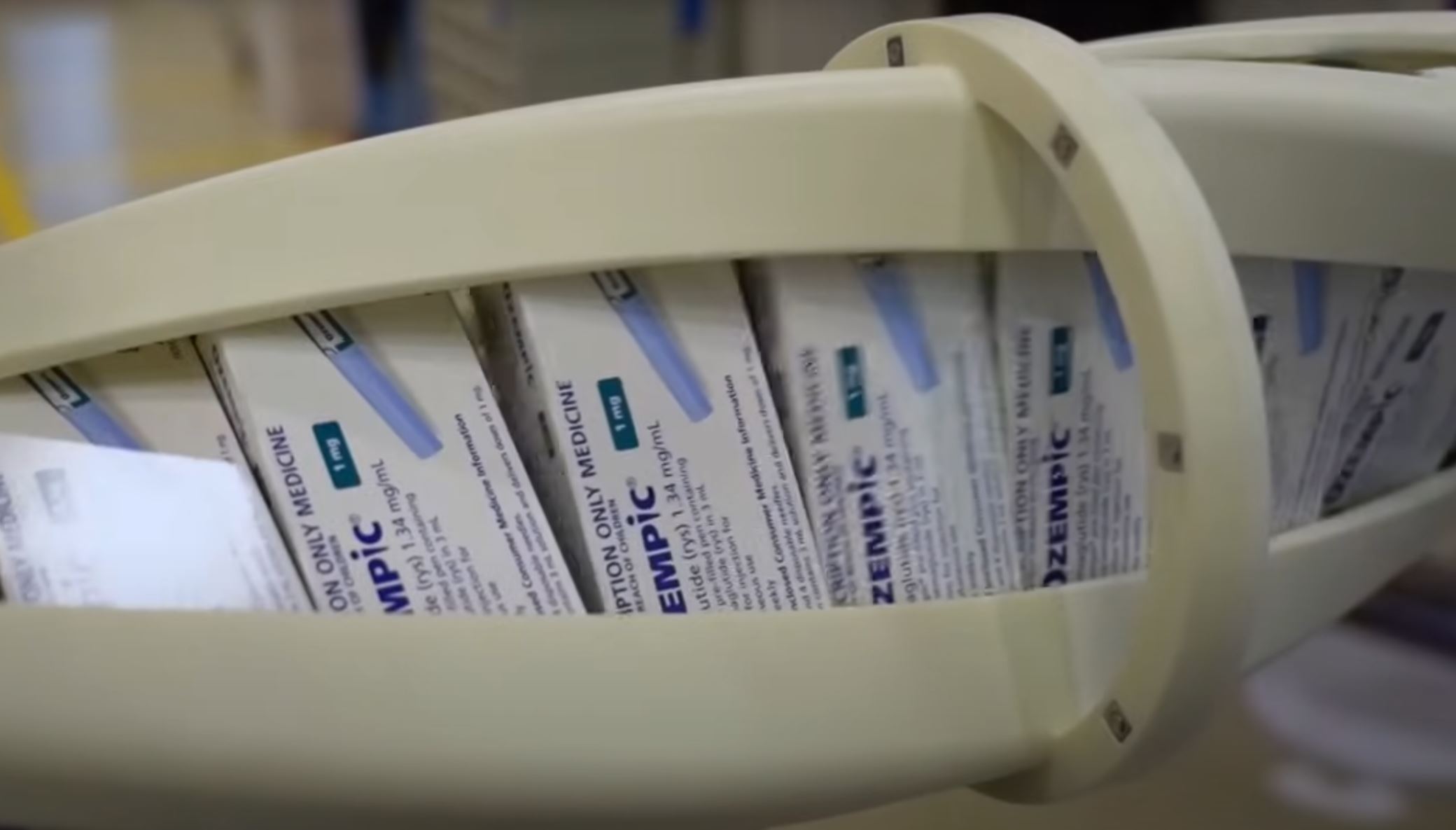
Rapid-weight-loss injections like Wegovy, Mounjaro and Ozempic are being hailed as game-changers for obesity, but a new warning from health experts suggests menopausal women with bone-thinning diseases could be gambling with their skeletons.
Dr Jack Mosley—son of the late broadcaster and longevity champion Michael Mosley—has raised the alarm that these blockbuster GLP-1 drugs may accelerate bone loss in post-menopausal women who are already fighting osteoporosis or osteopenia.
The Science in Brief
- GLP-1 receptor agonists slow gastric emptying and curb appetite, leading to average weight losses of 5–20 %.
- Roughly 30 % of that lost weight comes from lean tissue—including muscle and bone—unless counter-measures are taken.
- Post-menopause, oestrogen levels plummet, triggering a natural decline in bone density. Rapid weight loss compounds the problem.
“Menopausal women are the demographic most vulnerable to unhealthy lean-tissue loss,” says Dr Gabrielle Lyon, founder of Muscle-Centric Medicine. “When weight falls quickly, the skeleton can pay a price.”
What the Data Show
- A 2023 meta-analysis in Obesity found GLP-1 users lost 1–3 % total hip and lumbar-spine bone-mineral density within 12 months.
- In a 2024 cohort of 1,200 post-menopausal women on semaglutide, fracture risk rose 19 % versus matched controls.
- Calcium and vitamin D supplementation alone did not fully offset losses; only participants who combined resistance training with higher protein intake (≥1.2 g/kg/day) preserved bone mass.
Clinical Take-away
Dr Mosley urges clinicians to screen menopausal patients for low bone density before prescribing GLP-1 drugs. “If a woman already has osteopenia or osteoporosis, the medication could tip the balance toward fracture,” he warns.
Safer Slimming: Five Evidence-Based Tips for Menopausal Women
- Get a DEXA scan to quantify baseline bone density.
- Pair GLP-1 therapy with 150 minutes of weekly resistance exercise plus impact activities (e.g., brisk walking, light jumping).
- Aim for 1.2–1.5 g of protein per kilogram of body weight daily; distribute evenly across meals.
- Optimise calcium (1,200 mg) and vitamin D (800–1,000 IU) intake; consider prescription bone-protective agents if T-scores are poor.
- Re-evaluate bone density every 6–12 months while on therapy.
To conclude:
GLP-1 injections remain powerful allies against obesity-related disease, but for menopausal women the prescription pad needs an asterisk: “Check bones first.” Close medical supervision, targeted exercise and diligent nutrition can keep the number on the scale—and the skeleton—both heading in the right direction.
For further information, consult your GP or a certified menopause specialist before starting any weight-loss medication.