
Ørsted, Denmark’s largest renewable energy company, has launched a lawsuit against the Trump administration after Washington abruptly halted its nearly completed offshore wind project off the US east coast.
The project, Revolution Wind, was weeks from completion and set to power 350,000 homes starting next year. Instead, construction crews have been sent home, equipment lies idle, and Ørsted says it is losing millions of dollars each day the work is frozen. The stop-work order arrived without warning in a letter delivered on a Friday two weeks ago.
The official justification is national security. Interior Secretary Douglas Burgum told reporters he fears the turbines could provide cover for drone attacks or other hostile activity near the US shoreline. Ørsted dismisses the claim and argues the administration has no legal authority to shut down a federally approved project at this stage.
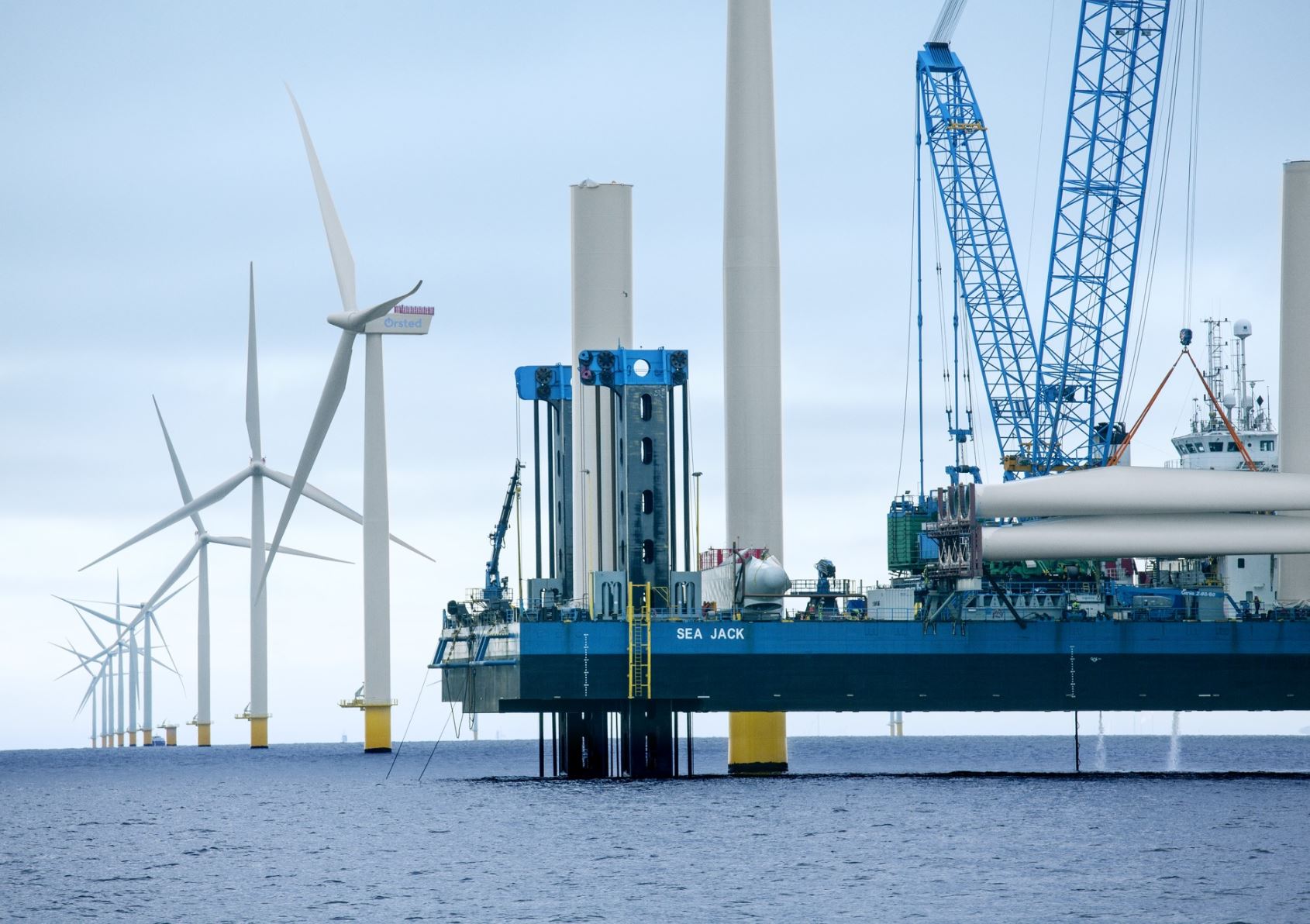
By filing suit, Ørsted has shifted from quiet lobbying to open confrontation. For weeks, the company relied on back-channel diplomacy, lobbyists, and direct talks with US officials to resolve the impasse without attracting attention. That approach failed. The court case now signals both urgency and frustration: waiting longer could kill the project entirely.
Other foreign energy firms have avoided such a public showdown. Norway’s Equinor faced a similar order against its Empire Wind project earlier this year but managed to restart work after five weeks of private negotiation. Even Danish pharmaceutical giant Novo Nordisk, battling the spread of counterfeit versions of its blockbuster drugs Wegovy and Ozempic in the US, has chosen cooperation rather than litigation.
Under ordinary circumstances, a lawsuit against the US government might be routine. But these are not ordinary circumstances. Trump has framed offshore wind as part of a broader cultural fight against green energy. The standoff also plays into delicate US-Danish relations, already strained by Trump’s rhetoric on Greenland.
Ørsted’s move carries obvious risks. A courtroom battle could harden opposition in Washington and invite harsher retaliation. Yet with billions invested and turbines standing idle, the company appears to have concluded that silence is costlier than confrontation.
Bottom line: Ørsted is betting that the courts, not quiet diplomacy, are now its only path to saving Revolution Wind.