
In a groundbreaking study published in April 2023 by Harvard University, researchers have uncovered exciting evidence suggesting that Vitamin D could play a critical role in slowing down the aging process. Known for its importance in bone health and immune function, Vitamin D is now being hailed as a potential anti-aging powerhouse. But for people living in the Nordic countries, where sunlight can be scarce for much of the year, this revelation has a particular significance.
The Science Behind the Study
The study, which followed participants over several years, found that higher levels of Vitamin D were associated with longer telomeres. Telomeres, which are protective caps at the ends of chromosomes, naturally shorten as we age, and this shortening is often considered a hallmark of cellular aging. Researchers found that individuals with more Vitamin D had telomeres that shortened at a slower rate, suggesting that this essential vitamin could slow cellular aging.
The study’s implications go beyond just bone health. Vitamin D is crucial for many body functions, including maintaining immune health and supporting muscle function. But the new research opens up an intriguing possibility: Vitamin D could play a role in extending the healthy lifespan of cells, thereby possibly delaying age-related diseases such as osteoporosis, dementia, and cardiovascular conditions.
Why Vitamin D is Vital in the Nordic Region
For those living in the Nordic region—comprising countries like Norway, Sweden, Finland, and Denmark—Vitamin D supplementation could be more than just a health trend. It could be a necessary strategy for maintaining good health and longevity.
Nordic countries are known for long, dark winters, where sunlight exposure can be limited for up to six months of the year. Since Vitamin D is primarily produced by the skin in response to sunlight, the lack of natural sunlight during the colder months makes it difficult for people in these regions to get enough of the vitamin.
In fact, Vitamin D deficiency is a widespread concern in the Nordic countries. According to health experts, many people in the region do not get adequate amounts of Vitamin D, especially during the winter months. This can lead to various health issues such as weakened bones, muscle pain, and an increased risk of autoimmune diseases.
How Vitamin D Helps in the Aging Process
The recent Harvard study shines a light on the potential benefits of Vitamin D supplementation in combating the effects of aging. Here’s how it works:
- Telomere Protection: As mentioned, telomeres shorten with age. Vitamin D appears to slow this shortening process, which could help preserve cellular health and vitality.
- Bone Health: People in the Nordic region are already familiar with the importance of Vitamin D for strong bones, particularly as the sun is scarce in the winter months. With the added anti-aging benefits, this vitamin becomes even more crucial in maintaining bone density and preventing fractures in older age.
- Immune Support: Nordic winters are notorious for cold and flu season, but Vitamin D can help maintain a robust immune system. Its ability to regulate immune function may be vital in preventing seasonal illnesses and ensuring overall health.
- Mental Health: The long winters and lack of sunlight in Nordic countries are linked to conditions such as Seasonal Affective Disorder (SAD). Vitamin D’s role in regulating mood and supporting mental health makes it an essential part of coping with the winter blues.
- Chronic Disease Prevention: The study suggests that Vitamin D may also help reduce the risk of chronic age-related conditions like heart disease, diabetes, and cognitive decline, making it a key player in aging gracefully.
What Does This Mean for You?
For those living in the Nordic countries, Vitamin D supplementation could be a simple yet powerful tool in extending healthy life years. If you’re experiencing symptoms of deficiency—such as fatigue, muscle weakness, or bone pain—talking to a healthcare provider about getting your Vitamin D levels checked could be a step toward a healthier future.
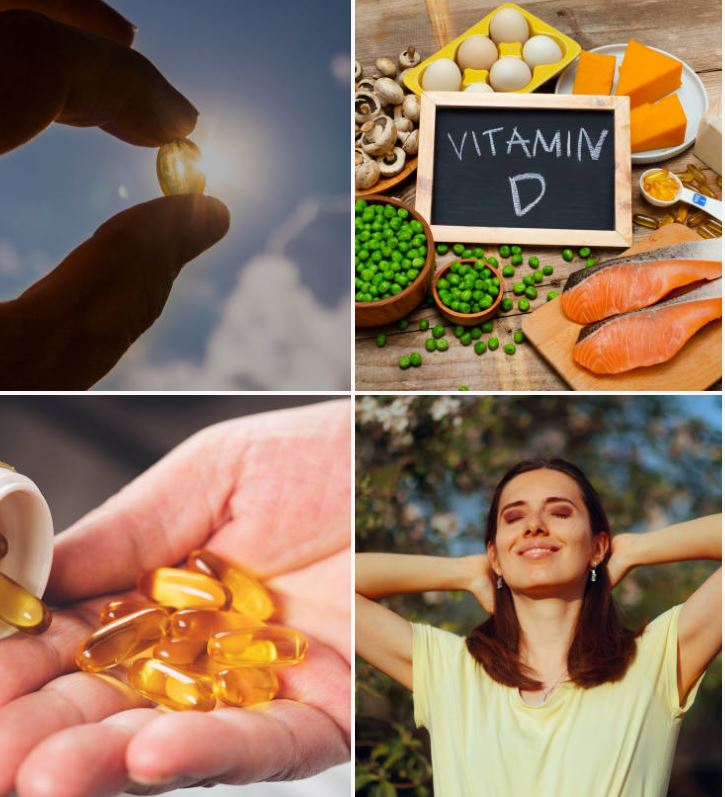
Experts recommend that people in the Nordic countries consider taking Vitamin D supplements, especially in the winter months when sunlight exposure is minimal. While you can also obtain Vitamin D from foods like oily fish, fortified milk, and egg yolks, the colder climate often makes dietary sources less reliable during the darker seasons.
Conclusion: A Bright Future for Vitamin D in the Nordic Region
The recent findings from Harvard University underscore just how crucial Vitamin D could be, not just for preventing bone diseases or boosting immune health, but for potentially slowing the aging process at the cellular level. Given the challenging weather conditions and limited sunlight in the Nordic region, Vitamin D supplementation may be an essential strategy for healthier, longer lives.
As we continue to learn more about the powerful effects of Vitamin D, it’s clear that this humble vitamin could be a critical ally for people looking to age well and live longer, especially in the northernmost parts of the world.
Sources of Vitamin D
Here’s a short list of natural sources of Vitamin D, including foods and other means of obtaining it:
1. Sunlight
- How it works: Your skin produces Vitamin D when exposed to sunlight, specifically UVB rays. About 10-30 minutes of sun exposure, 2-3 times a week, on face, arms, and legs (depending on skin tone, location, and season), is usually sufficient for most people to produce adequate Vitamin D.
- Amount: The amount varies based on factors like location, time of day, season, and skin tone, but typically 15-30 minutes of exposure can provide anywhere from 1,000 to 5,000 IU of Vitamin D.
2. Fatty Fish (Oily Fish)
- Examples: Salmon, mackerel, sardines, tuna, and trout
- How much Vitamin D?
- Salmon (3 ounces): ~ 570-1,000 IU of Vitamin D
- Mackerel (3 ounces): ~ 900-1,200 IU of Vitamin D
- Sardines (3 ounces): ~ 300 IU of Vitamin D
- What it provides: Fatty fish is one of the richest natural food sources of Vitamin D. Salmon and mackerel are particularly high, offering a significant portion of the daily recommended intake (600-800 IU for adults).
3. Cod Liver Oil
- How much Vitamin D?:
- 1 tablespoon of cod liver oil: ~ 1,360 IU of Vitamin D
- What it provides: Cod liver oil is among the most potent sources of Vitamin D, delivering well above the daily recommended intake in just a small serving.
4. Egg Yolks
- How much Vitamin D?
- 1 large egg yolk: ~ 40-50 IU of Vitamin D
- What it provides: While egg yolks provide some Vitamin D, they are a relatively modest source compared to fatty fish or sunlight.
5. Beef Liver
- How much Vitamin D?
- 3 ounces of beef liver: ~ 40-50 IU of Vitamin D
- What it provides: Beef liver contains a small amount of Vitamin D, but it is not as rich as oily fish or cod liver oil.
6. Fortified Foods
Some foods are fortified with Vitamin D, although these are not “natural” sources, they can help boost intake:
- Fortified milk (1 cup): ~ 100 IU of Vitamin D
- Fortified orange juice (1 cup): ~ 100 IU of Vitamin D
- Fortified cereals (per serving): ~ 40-100 IU of Vitamin D
Summary of the Best Sources
- Sunlight – Offers the most variable and potentially the highest dose, especially when exposed to full sun for short periods.
- Fatty Fish (especially mackerel and salmon) – High in Vitamin D, often providing hundreds of IU per serving.
- Cod Liver Oil – Among the highest, with a single tablespoon giving over 1,000 IU.
- Egg Yolks and Beef Liver – Offer moderate amounts, but need to be consumed in larger quantities to make a significant impact on daily intake.
Tip: For those living in areas with limited sunlight, such as the Nordic countries, fatty fish and cod liver oil are some of the best natural food sources to ensure adequate Vitamin D intake.
Rewrite and produce a news Magazine article from this. Include a suitable title: