
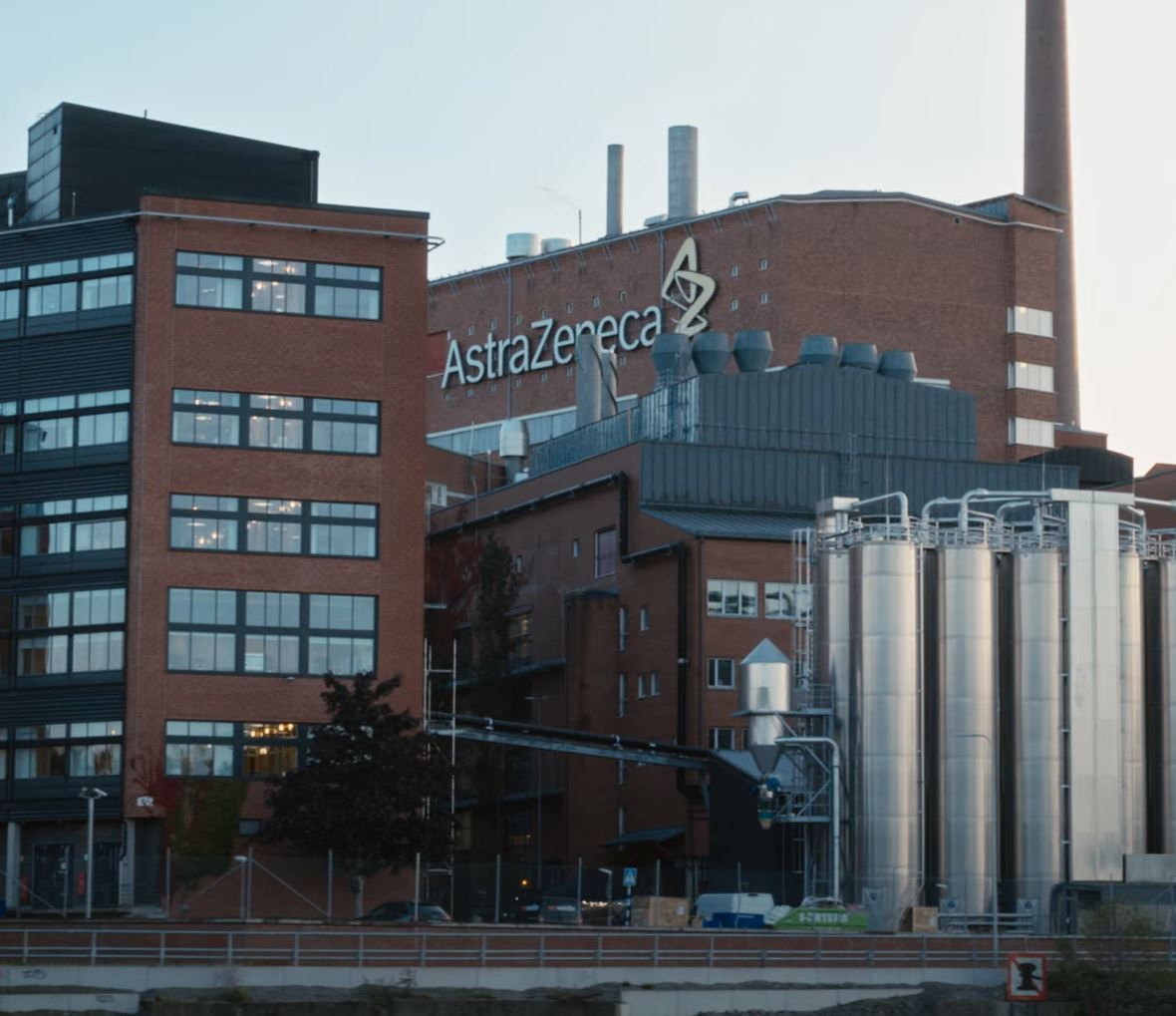
In a move that has raised eyebrows in the pharmaceutical industry, AstraZeneca announced it is halting an investment worth SEK 2.5 billion (approximately £200 million) in its Cambridge-based research facility. The decision has prompted questions about the company’s strategy in the face of ongoing global economic challenges and the evolving landscape of pharmaceutical research.
Strategic Pause in a Key Hub
AstraZeneca, one of the world’s leading biopharmaceutical companies, has long had a strong presence in Cambridge, a city that is renowned for its life sciences and academic institutions. The company’s research facility, located in the heart of the city’s innovation district, has been a key part of its strategy to develop cutting-edge therapies in oncology, cardiovascular, and respiratory diseases.
The SEK 2.5 billion investment, which was earmarked to expand the company’s state-of-the-art research labs and bring in new scientific talent, was initially planned for the coming years. However, due to ongoing uncertainties around global inflation, fluctuating currency markets, and shifting regulatory environments, AstraZeneca has decided to temporarily put the brakes on the project.
In an official statement, the company emphasized that the decision was not a reflection of the future potential of the Cambridge hub, which remains a key asset for the company’s research and development (R&D) pipeline. “We remain committed to Cambridge and the innovative work happening here. This decision is a precautionary measure in response to the current economic landscape, which requires us to be cautious and adaptable in our capital allocations,” said a spokesperson from AstraZeneca.
Economic Pressures and Pharma’s Global Landscape
AstraZeneca is not alone in feeling the pressure of an unpredictable economic environment. The global pharmaceutical sector has seen increasing cost concerns due to supply chain disruptions, labour shortages, and soaring material prices. These factors have been compounded by the lingering effects of the COVID-19 pandemic, which, while subsiding, still continues to affect healthcare markets worldwide.
In addition to the macroeconomic challenges, AstraZeneca has been grappling with regulatory shifts in key markets. New legislation and increased scrutiny around drug pricing in the U.S. and Europe have led to concerns over future revenue growth, prompting many pharma companies to reevaluate their R&D investments.
For AstraZeneca, the decision to pause the Cambridge investment seems to align with a broader trend within the industry: an increasing emphasis on cost discipline and strategic prioritization. Analysts have suggested that the pause may be a tactical move to ensure long-term stability in a climate of heightened risk.
Impact on the Cambridge Ecosystem
Cambridge, a hub for biotech and pharmaceutical innovation, has enjoyed a surge of investment over the past decade, driven by collaboration between global companies, local startups, and the city’s world-class academic institutions. AstraZeneca’s research facility, in particular, has played a key role in attracting talent and fostering collaboration within the ecosystem.
While the investment pause may seem like a setback, experts believe that it could be a temporary hiccup rather than a permanent disruption. According to Dr. Sarah Elwood, a leading biotech analyst based in Cambridge, “AstraZeneca’s decision, while disappointing for the immediate future, will likely not have a long-term impact on the region’s ability to attract talent or investment. The biotech community in Cambridge is resilient, and the city continues to be a prime location for global research.”
The Road Ahead for AstraZeneca
Despite the pause in investment, AstraZeneca remains committed to its research pipeline, with an eye on upcoming clinical trials and partnerships. The company’s oncology division, in particular, has been a standout performer, with several high-profile drugs in late-stage development. However, the focus will likely be on how AstraZeneca adapts its strategy in the coming months.
The investment freeze also raises questions about how AstraZeneca plans to balance the need for innovation with the realities of economic pressure. As the company faces increasing competition from rivals like Pfizer, Moderna, and Merck, it will need to navigate both internal and external pressures to maintain its position at the forefront of pharmaceutical innovation.
In conclusion, AstraZeneca’s decision to pause its SEK 2.5 billion investment in Cambridge reflects the broader challenges currently facing the pharmaceutical industry. While it is a strategic retreat in uncertain times, it is also a reminder that the evolving global economic and regulatory landscape is reshaping how companies allocate their resources. As AstraZeneca recalibrates, the focus will be on how it can continue to drive groundbreaking research and bring life-changing therapies to market, despite these turbulent times.