
On the evening of March 11, 2020, Danes watched their Prime Minister announce a nationwide shutdown. Within minutes, toilet paper, pasta, and canned goods vanished from store shelves. That rush to hoard left a mark, and it’s shaping how the country now thinks about crisis preparedness.
The government is working on a new plan: emergency stores. Inspired by Finland’s model, the idea is to make sure Danes can still buy food, water, and basic supplies even during blackouts, major storms, or national emergencies.
“Not everyone has followed the authorities’ advice and stocked up for 72 hours,” says Rasmus Dahlberg, a researcher in emergency preparedness. “To avoid panic, it’s important that people know they can buy food and water if a crisis hits.”
A Finnish lesson in resilience
Finland has about 300 designated emergency stores, supported by the state and equipped with backup power. That level of preparation is partly driven by geography and history. “The Finns are simply better prepared than we are,” Dahlberg says. “They live with the idea that they need to be ready if Russia comes knocking. They call it sisu—endurance and the ability to stay clear-headed under pressure.”
Denmark, by contrast, has no such system. But Emergency Minister Torsten Schack Pedersen wants that to change. “Danes must have better access to the most basic necessities during crises,” he said in a recent press release. In an interview, he explained: “Emergency stores will have generators so they can stay open, even without power. People need to know they can still get food.”
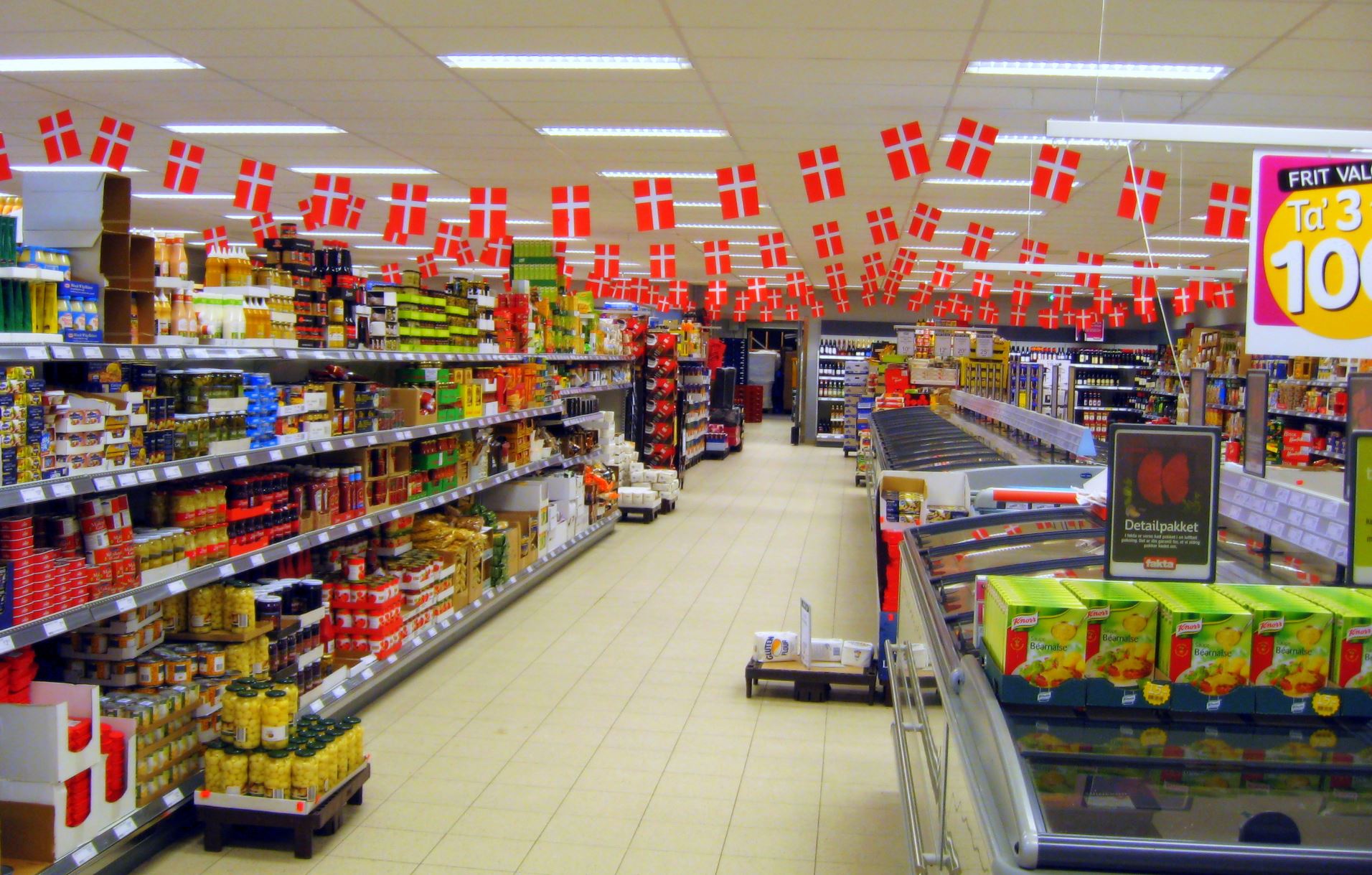
Retailers step in
Unlike in Finland, the Danish state does not plan to pay for these stores. Instead, retailers are preparing to shoulder the cost themselves.
Salling Group is upgrading Bilka and Føtex with emergency generators, aiming to keep them open for at least two days without electricity. Coop has similar plans, and many Spar grocers already have backup systems in place.
“We are already well prepared,” says Jan Jæger, a Spar retailer in Øster Brønderslev and chairman of the Spar grocers’ association. “During the pandemic, we stayed open. The real problem isn’t keeping the lights on, it’s making sure deliveries reach the stores.”
Still, Jæger admits he worries about hoarding. “We saw during corona that people cleared the shelves for toilet paper. If water runs out, will we need guards? I hope not. This is Denmark, after all.”
Panic versus trust
That tension—between calm planning and fear of chaos—sits at the heart of the emergency store debate. If shops stay open, should there be rationing? Should merchants decide how many bottles of water each person can buy? Dahlberg argues those questions need to be settled now, before a crisis, not left to shopkeepers in the heat of the moment.
The minister, however, is confident. “I trust that the Danes will behave properly,” says Pedersen. “If people know that stores will remain open, they won’t need to panic.”
The bigger picture
At its core, the emergency store plan is not just about keeping freezers running or shelves stocked. It’s about psychology. Panic spreads fastest when people feel they’re on their own. The promise that food and water will be available—even in a blackout—could make the difference between order and chaos.
Bottom line: Denmark is trying to learn from past shocks and from its Nordic neighbor. Whether the shelves stay full may depend less on logistics than on trust—between government, retailers, and the public.