
In a bold move to secure financing for its ambitious offshore wind projects in the United States, Danish energy giant Ørsted has unveiled the details of its latest capital raise, amounting to 60 billion kroner. The company announced it will be issuing 900,816,600 new shares, priced at DKK 66.60 per share—a significant discount compared to Ørsted’s Friday closing price of DKK 200.3.
This price cut is a strategic move to attract investors to participate in the capital increase, which follows a decision made over a week ago at an extraordinary general meeting. Despite the allure of the discounted shares, Ørsted’s bold financial manoeuvre comes at a time of considerable uncertainty, particularly in the U.S. market, where the company faces an uphill battle due to political opposition to wind energy projects.
U.S. Offshore Wind Projects at Risk
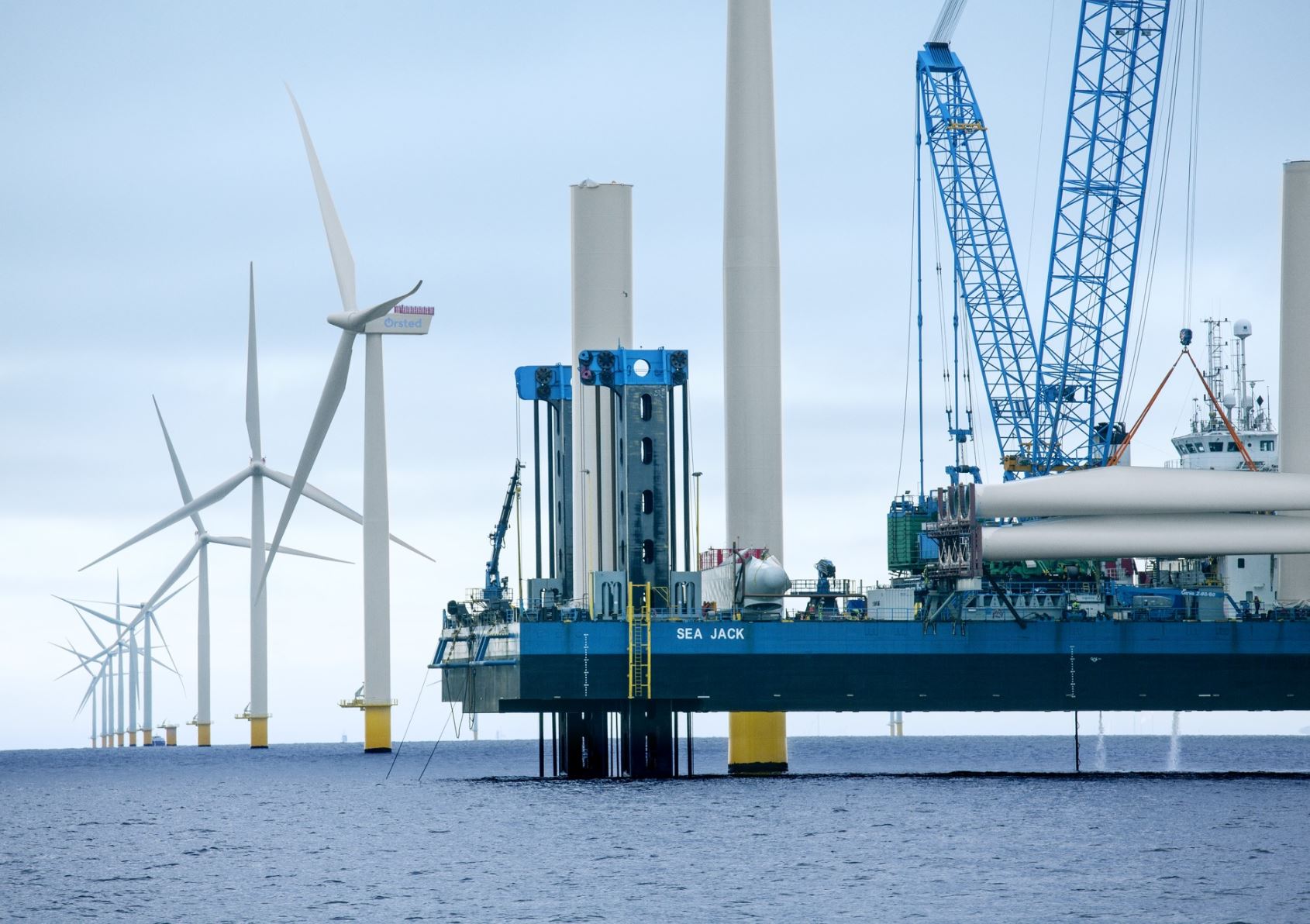
The primary goal of the capital raise is to secure funding for Ørsted’s two large offshore wind projects in the U.S., which are currently at risk of falling behind schedule due to a challenging regulatory environment. Former President Donald Trump’s opposition to offshore wind turbines has created a complex political landscape for renewable energy developers like Ørsted, whose success in the U.S. depends on winning over local stakeholders and policymakers.
Despite this, Ørsted remains committed to the projects, which are seen as critical to the company’s strategy for expanding its offshore wind capacity in the rapidly growing U.S. market. Ørsted’s CEO, Mads Nipper, expressed confidence that the funds raised will ensure the completion of these projects, which are essential to the company’s long-term sustainability.
“By securing this capital, we will not only strengthen our ability to complete key projects but also reaffirm our commitment to leading the energy transition in the United States,” said Nipper in a statement.
The Shrinking Danish Stock Market
As Ørsted prepares to embark on this major capital raise, it also finds itself operating in an increasingly challenging domestic market. According to recent reports from Børsen, the Danish stock exchange has seen a significant contraction in its listed companies over the past few years. Since 2022, nearly one-quarter of all Danish stocks have either been delisted, acquired, or gone bankrupt. In total, the Copenhagen Stock Exchange now lists only 145 companies, down from 186 in just under four years.
This trend is not isolated to Denmark alone. Across the Nordic region, as well as in major European financial hubs like London, there has been a notable increase in delistings. Analysts suggest that a combination of market consolidation, regulatory changes, and economic pressures is driving these exits.
“While the delisting trend is concerning, it’s also reflective of broader market shifts. Companies that can’t keep up with regulatory demands or struggle in a competitive landscape are being weeded out,” said Jesper Nielsen, an analyst at Danske Bank.
Looking Ahead
Ørsted’s capital increase underscores the company’s ongoing effort to adapt to a rapidly evolving energy market. The move is also indicative of broader trends in the European market, where energy companies are increasingly turning to capital markets for support as they navigate complex regulatory landscapes and political opposition.
For Ørsted, the success of this capital raise could be a pivotal moment, one that allows the company to remain at the forefront of the offshore wind sector, both at home and abroad. However, the broader challenges facing Denmark’s stock market and Ørsted’s ongoing difficulties in the U.S. suggest that the company’s path forward may be more turbulent than expected.
As Ørsted moves to strengthen its balance sheet and secure the future of its U.S. offshore wind projects, it remains to be seen whether this capital infusion will provide the company with the necessary stability to weather the storm ahead—both in terms of market volatility and political pushback. For now, all eyes are on Ørsted’s next steps in what is shaping up to be a crucial chapter in its energy transition journey.
For more in-depth coverage of Ørsted’s financial moves and the future of offshore wind, stay tuned to The Nordic Business Journal.