
By Larsen Matte, Visiting Health & Science Correspondent | Food & Health
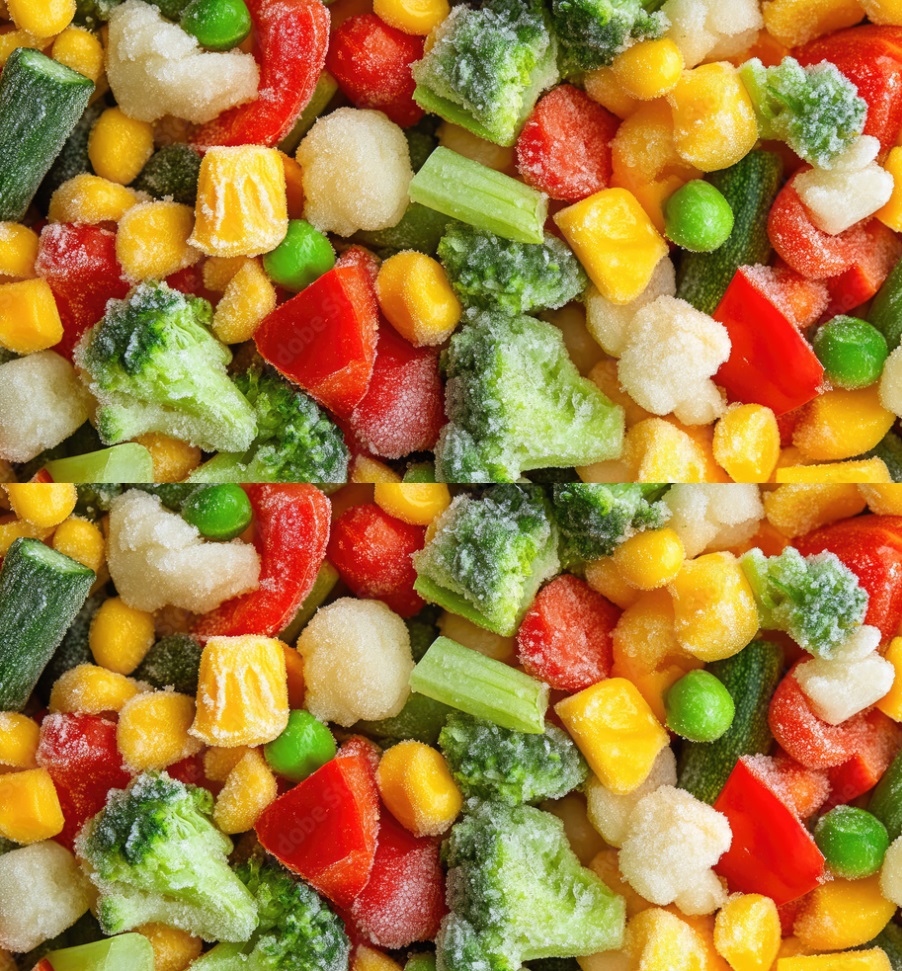
In Danish kitchens, the freezer drawer is no longer just for ice cream and leftovers — it’s a vibrant garden of convenience. Haricot verts, broccoli florets, colourful wok mixes — over 75 varieties of frozen greens line supermarket freezers, with new blends arriving every season. But behind the ease and affordability lies a nagging question: Are frozen vegetables really as good for us as their fresh counterparts? And do they even taste decent?
We turned to Line Knutsson, a food technology expert at the Danish Consumer Council Tænk, who recently led a comprehensive analysis of frozen vegetable products on the market. Her findings? It’s not black and white — but green, with shades of practical wisdom.
Taste: Frozen Falls Short — But Not Hopelessly
Let’s be honest: frozen vegetables have a reputation. Soggy. Bland. “Watery.” And according to Knutsson’s tests, there’s some truth to it.
“We tested multiple cauliflower-broccoli blends and found none matched the crisp, bright flavour of their fresh counterparts,” she says. “Many mixtures suffered from flavour bleed — where veggies absorb each other’s tastes — and several were just… diluted.”
But before you toss that bag of peas, Knutsson offers a lifeline: how you cook them matters immensely.
“The recommended cooking times on packaging vary wildly — and often lead to overcooking,” she explains. “That’s what turns your broccoli into mush.” Her advice? Ignore the timer. Steam frozen greens in minimal water, or sauté them quickly in a hot pan. For stews, soups, or casseroles? Frozen is perfectly fine — even ideal. “The texture difference disappears when simmered in sauce,” she notes.
Verdict: Fresh wins on flavour — but with smart prep, frozen can shine.
Vitamins: A Slight Drop — But Still Nutritious
Here’s where things get scientific — and slightly sobering.
“Frozen vegetables contain fewer vitamins than fresh ones,” says Knutsson, referencing extensive studies from DTU (Technical University of Denmark). The culprit? Blanching — the process of briefly boiling veggies before freezing to kill bacteria and preserve colour. Unfortunately, it also zaps some water-soluble vitamins like C and B.
“But don’t panic,” she reassures. “Frozen greens are still packed with fibre, minerals, and many remaining vitamins. Plus — let’s be real — if you’re boiling your fresh broccoli for 10 minutes, you’re losing nutrients too.”
In other words: perfection is overrated. Consistency is key.
Verdict: Fresh has the vitamin edge — but frozen is still a powerhouse of nutrition, especially compared to no veggies at all.
Pesticides & Heavy Metals: Nothing To Fear
Worried about chemical residues sneaking into your stir-fry? Knutsson’s tests offer peace of mind.
“In every single frozen vegetable mix we analysed, pesticide and heavy metal levels were well below legal safety limits,” she reports.
That said, if you’re aiming for minimal exposure, she recommends going organic — whether fresh or frozen. “Organic certification is your best bet for reducing pesticide intake across the board,” she adds.
Verdict: Conventional frozen greens are safe — but organic gives you that extra layer of reassurance.
The Bigger Picture: Convenience Vs. Culinary Purity
As part of DR’s upcoming national conversation — “What Should We Have?” — exploring Danish food culture, health, and the joy of cooking together — frozen vegetables represent a modern paradox: they’re imperfect, yet indispensable.
“Frozen greens are practical,” Knutsson emphasizes. “Pre-cut, pre-washed, shelf-stable for months — they reduce food waste and make healthy eating accessible even on chaotic weeknights.”
And in a culture where 1 in 3 Danes admit to skipping vegetables when short on time, frozen options are a nutritional safety net.
“Choose frozen over no greens, every time,” she insists. “You can eat them with a completely clear conscience.”
Final Verdict From The Expert
“Fresh vegetables win on taste and nutrient density — no question. But frozen vegetables? They’re healthy, convenient, sustainable, and absolutely worthy of your dinner plate. Don’t let perfect be the enemy of good.”
Want To Dig Deeper?
This investigation was conducted as part of the “Taste Yourself” project — a collaboration between the Danish Veterinary and Food Administration, Consumer Council Tænk, Food Culture Denmark, and DR — generously supported by the Novo Nordisk Foundation and the Nordea Foundation.
So next time you’re staring into your freezer, wondering whether to reach for that bag of spinach or brave the produce aisle — remember: frozen isn’t second best. It’s smart, sustainable, and seriously good enough.
Bon appétit — or as we say in Denmark: “Spis godt!”