
In a bold move that has sent ripples through the global mining and environmental communities, Norway’s Government Pension Fund Global, commonly known as the Oil Fund, announced on September 12 that it had removed the French mining company Eramet from its investment portfolio. The reason for this decision stems from the company’s controversial operations in Indonesia, which have raised serious concerns about environmental destruction and the rights of indigenous people.
A Controversial Mining Operation in Halmahera
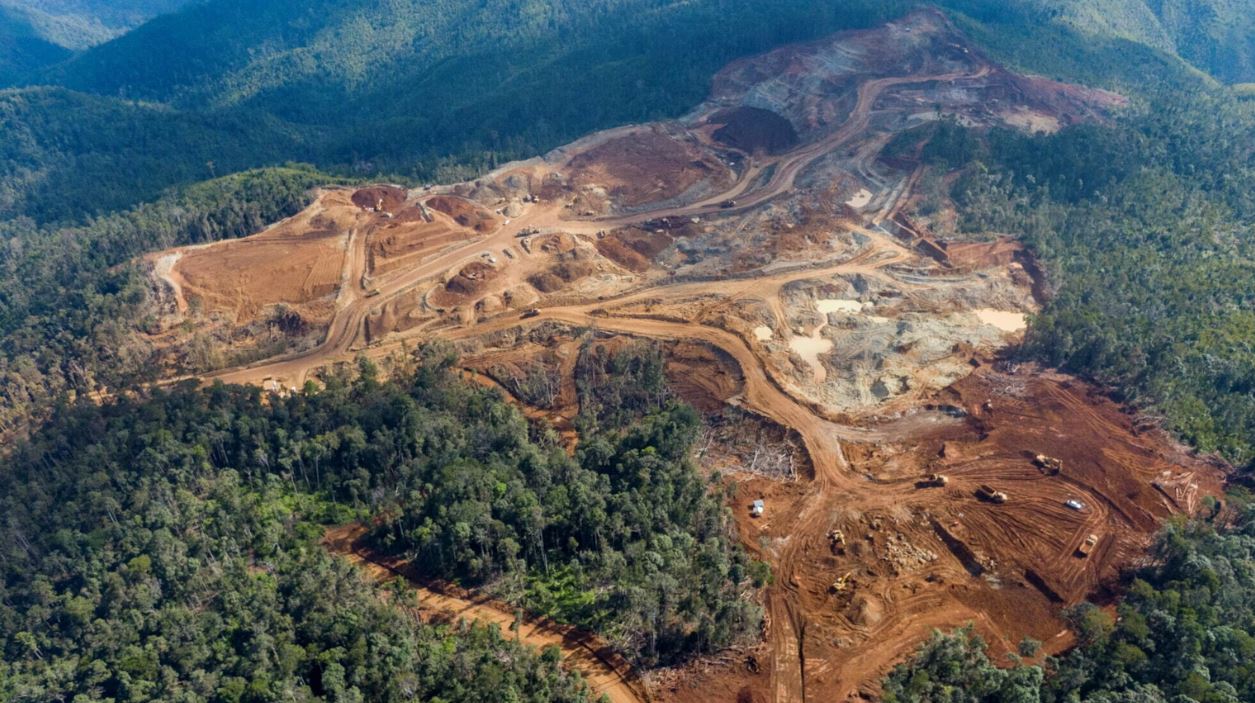
Eramet’s nickel extraction operations on the island of Halmahera, located in Indonesia’s Maluku province, have drawn international criticism due to their impact on the region’s exceptionally rich biodiversity. The island is home to unique flora and fauna, many of which are found nowhere else on Earth. The company’s mining activities, which focus on extracting nickel—a key material in electric vehicle batteries—are believed to be contributing to severe environmental degradation.
However, the controversy surrounding Eramet’s operations goes beyond environmental concerns. There are increasing reports of human rights violations, particularly against the indigenous people of Halmahera, who have faced displacement and exploitation as a result of the mining activities. These violations, combined with the ecological toll, led the Norwegian Oil Fund’s Ethics Council to assess the company as posing an “unacceptable risk” to both the environment and human rights.
In a statement, Rune Holmen, director of social missions at Enova (Norway’s state enterprise for energy transition), emphasized that the Oil Fund’s decision to divest was a reflection of the seriousness with which it approached its ethical investment guidelines. “The environmental and human rights implications of Eramet’s operations in Indonesia are significant. As a responsible investor, we cannot support companies that engage in such practices,” Holmen stated.
The Norwegian Subsidy Paradox
Despite being dropped by the Oil Fund, Eramet’s operations in Norway continue to benefit from millions in public subsidies. Over the past three years, Eramet’s Norwegian subsidiary, Eramet Norway AS, has received approximately NOK 144 million (around $13 million) in grants from Enova. These funds were allocated to support the company’s ferro manganese smelters in Sauda, Porsgrunn, and Kvinesdal—critical hubs for Norway’s industrial production.
Enova, which is tasked with promoting the country’s energy transition and reducing emissions, maintains that it has clear procedures in place to withdraw support if a company violates regulations or engages in unethical practices. However, Enova’s director of social missions, Rune Holmen, emphasized that the Norwegian government’s commitment to upholding legal business operations means it cannot withdraw support from companies that operate within the country’s laws, even if those companies have become embroiled in scandals abroad.
“We have to assess each case individually. If illegalities or violations are uncovered in a company’s ownership structure, we will engage in a dialogue with them to ensure they align with international standards,” Holmen explained. He also noted that Enova’s focus on sustainability requires it to carefully scrutinize the practices of companies receiving public support.
A Broader Global Scrutiny
Eramet’s situation is further complicated by the fact that the company, in which the French state is a significant shareholder, operates in multiple countries. This includes not just Indonesia and Norway, but also several other regions with varying standards for environmental protection and human rights.
However, it’s the relationship between Eramet’s operations in Indonesia and its Norwegian subsidiaries that continues to spark public debate. Critics argue that even if the smelters in Norway do not directly involve the company’s controversial activities in Indonesia, they are still part of a larger corporate structure that is benefitting from public funds. This raises ethical questions about how far public support should extend to companies with questionable practices abroad.
Kåre Bjarte Bjelland, communications director at Eramet Norway, has acknowledged the controversy, stating that the company takes the Oil Fund’s decision “very seriously.” “We must prove to the Norwegian authorities and society that we are a responsible corporate entity,” he said, acknowledging that questions about the company’s practices would likely continue. Bjelland emphasized the company’s role in supporting Norway’s national energy and climate goals, suggesting that its operations in Norway were distinct from the issues in Indonesia.
Innovation Norway’s Role in the Debate
Eramet Norway has also received support from Innovation Norway, a government agency tasked with fostering innovation and business development. In 2022, the company was granted NOK 2.4 million for a research project. Innovation Norway, like Enova, follows guidelines that reflect the ethical standards set by the Ministry of Finance, which oversees the Oil Fund’s investments.
Sustainability Director Leif Inge Husabø of Innovation Norway confirmed that the agency would take the Oil Fund’s Ethics Council’s assessments into consideration in any future applications from Eramet Norway. “We will assess the company’s practices closely. If any new information arises, we will thoroughly review the matter,” Husabø said.
A Shifting Landscape for Corporate Accountability
As the debate surrounding Eramet’s operations and public funding continues to evolve, one thing is clear: corporate responsibility is under increased scrutiny. The international attention on Eramet’s controversial mining activities, coupled with the Oil Fund’s unprecedented decision to divest, signals a shift toward a more ethical and transparent approach to business operations—one that not only demands legal compliance but also prioritizes environmental sustainability and human rights.
Eramet’s continued receipt of public subsidies in Norway raises important questions about the intersection of corporate behaviour, government funding, and the ethical implications of global business operations. As Enova and Innovation Norway both review their relationship with the company, it’s evident that the scrutiny will only intensify, with public opinion playing an increasingly important role in shaping future corporate practices.
The future of Eramet’s operations in Norway and its ongoing international challenges remains uncertain, but one thing is clear: the pressure to prove that large corporations can act as responsible corporate citizens has never been greater.