
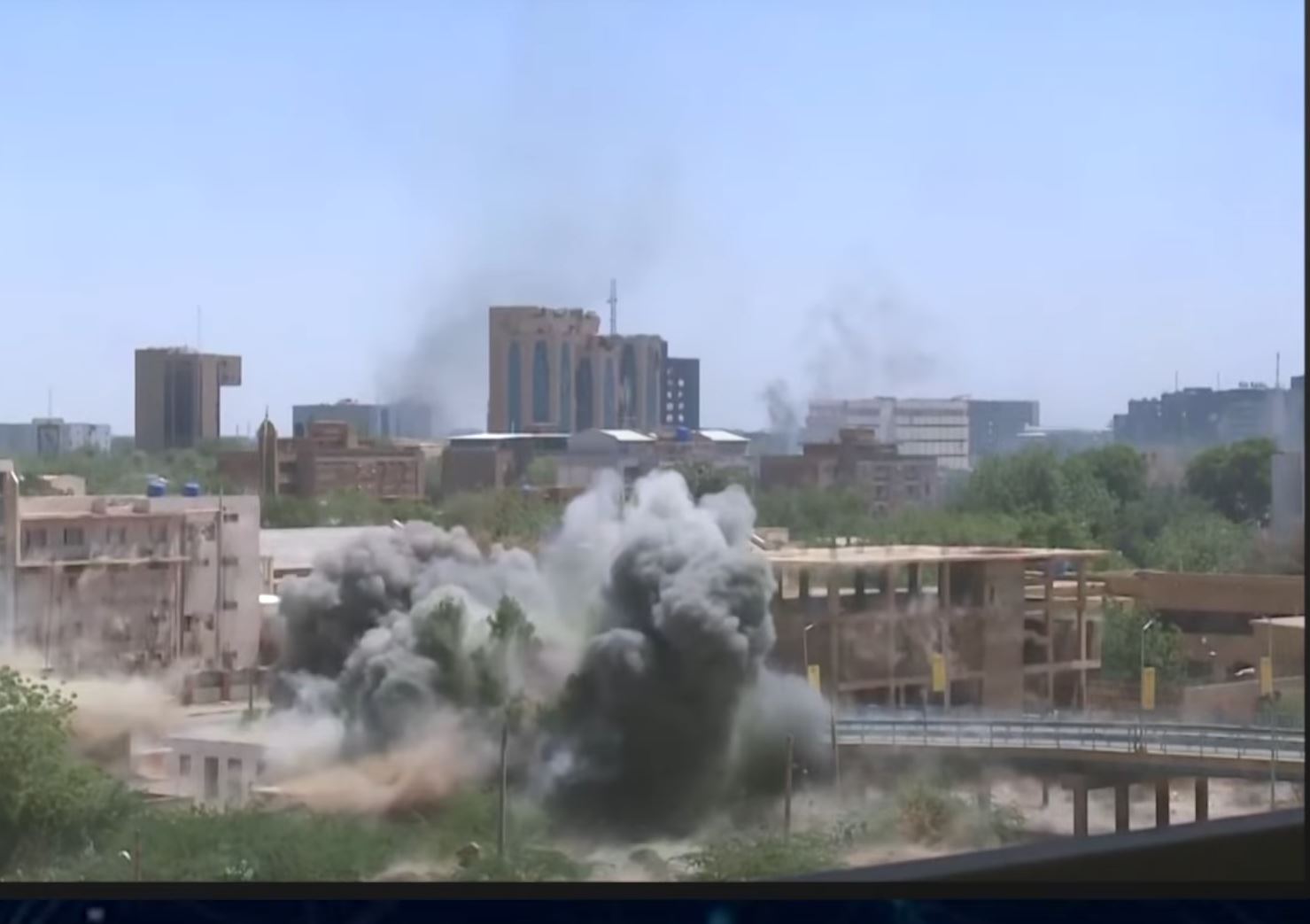
For over two years, Sudan has been consumed by a brutal civil war between the Sudanese Armed Forces and the paramilitary Rapid Support Forces (RSF). While geopolitical analysts focus on territorial gains and military strategies, a quieter but equally devastating crisis is unfolding: the collapse of Sudan’s public health system. The recent drone strike on a mosque in El Fasher, which killed at least 75 civilians during morning prayers, is not just a tragic episode of war—it is a symptom of a broader health emergency that has left millions without care, protection, or hope.
A Health System in Ruins
Before the war began in April 2023, Sudan’s healthcare infrastructure was already fragile. Today, it is in tatters. Up to 80% of health facilities nationwide are non-functional due to bombing, looting, or shortages of staff and supplies. In El Fasher, the last army stronghold in Darfur, the Saudi Teaching Maternal Hospital—once the only functional public hospital with surgical capacity—was hit by a drone strike earlier this year, killing around 70 patients and staff.
The World Health Organization has documented at least 12,501 deaths and 26,051 injuries as of December 2023, but these figures are likely significant underestimates due to the collapse of surveillance systems. With no reliable data collection, many deaths go unrecorded—especially in rural or besieged areas like Darfur.
Disease, Malnutrition, and Displacement
The war has displaced over 12 million people, including 3 million children—the largest child displacement crisis in the world. Displaced populations are crammed into camps like Abu Shouk, where the recent mosque attack occurred. These camps are fertile ground for disease outbreaks: measles, cholera, malaria, and dengue fever are spreading rapidly due to overcrowding, poor sanitation, and the suspension of immunization programs.
Famine has already taken hold in three displacement camps around El Fasher—Zamzam, Abu Shouk, and Al-Salam—and is expected to expand further. Children are dying daily from malnutrition and preventable diseases. One doctor in Port Sudan described the situation bluntly: “Children are dying on a daily basis”.
Mental Health: The Invisible Wound
Beyond physical illness, the psychological toll is staggering. Rates of PTSD, depression, and anxiety have surged among both civilians and healthcare workers . Women and children are particularly affected, with widespread reports of gender-based violence and trauma. The lack of mental health services—already scarce before the war—means that most survivors have no access to psychological support.
One Sudanese respondent told researchers: “My family in Sudan lost access to healthcare essentially… many of those with diseases they needed consistently treated were unable to receive the proper treatment needed” . This is not just a medical crisis—it is a societal breakdown.
The Ethnicization of Health Access
The conflict has increasingly taken on ethnic dimensions, with the RSF targeting non-Arab groups in Darfur. This has led to what the UN describes as “retaliatory violence against civilians, particularly on an ethnic basis”. Healthcare access is now not just a matter of infrastructure, but of identity. Being from the “wrong” ethnic group can mean being denied aid, or worse, being targeted while seeking shelter in hospitals or mosques.
A Call for Global Accountability
Despite the scale of the crisis, Sudan remains what UN Human Rights Chief Volker Türk calls a “forgotten war” . International media coverage is sparse, and humanitarian funding is drying up. The recent mosque attack is not an isolated incident—it is part of a systematic pattern of attacks on civilian infrastructure, including healthcare facilities, which constitutes a violation of international humanitarian law.
The World Health Organization has called for immediate protection of health workers and facilities, but without geopolitical pressure, these pleas go unanswered. As one UN official warned: “Many more lives will be lost without urgent action to protect civilians and without the rapid and unhindered delivery of humanitarian aid”.
Conclusion: Health Is the First Casualty of Silence
Sudan’s war is not just being fought with bullets and drones—it is being waged through the systematic destruction of the systems that keep people alive. Every bombed hospital, every blocked aid convoy, every attacked mosque is a public health catastrophe in itself.
For the Nordic business and policy community, this is not a distant tragedy. It is a test of whether global health security, humanitarian law, and ethical supply chains matter when the cameras are gone. If silence continues, the cost will not be measured only in lives lost—but in the erosion of the very norms that underpin global health governance.
Sudan’s health crisis is not forgotten. It is being ignored. And that is a choice.